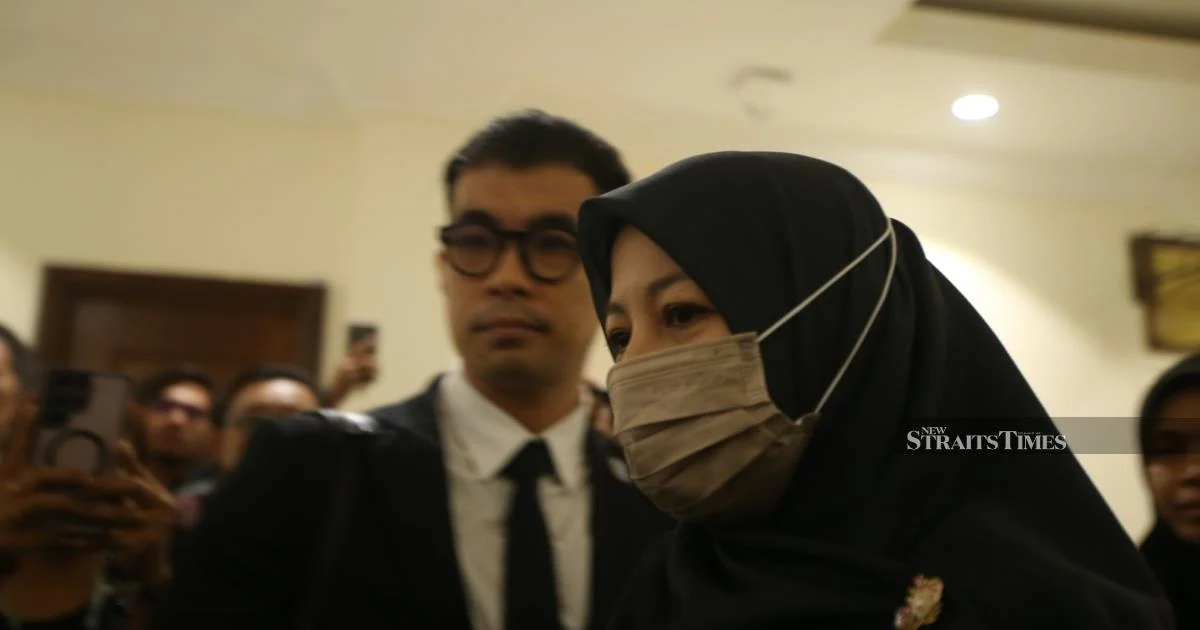
During proceedings at the coroner's court in Kota Kinabalu, Noraidah Lamat disclosed that she harboured deep regret about the educational choice she had made for her daughter, Zara Qairinah Mahathir, who has since passed away. The testimony, delivered amid the formal setting of the court, underscored the profound anguish that often accompanies parental decisions made with the best of intentions but which may later be viewed differently in light of tragic outcomes.
The remarks came as the inquest examined circumstances surrounding Zara Qairinah Mahathir's death. Religious secondary schools, or Sekolah Menengah Kebangsaan Agama (SMKA), form part of Malaysia's education landscape, serving students who pursue Islamic religious education alongside mainstream academic subjects. These institutions have been integral to the country's education system for decades, aimed at fostering both intellectual and spiritual development among young Malaysians.
SMKA Tun Datu Mustapha, the school in question, operates in Sabah and maintains the dual educational mandate characteristic of such institutions across the nation. The school's name honours a significant historical figure in Sabah's governance, reflecting the cultural and political heritage embedded within many Malaysian educational establishments. Parents selecting such schools typically hope to provide their children with a holistic education grounded in religious values and academic excellence.
A mother's decision to enrol her child in any educational institution represents one of the most consequential choices in parenting. The selection process often involves weighing academic reputation, religious instruction quality, safety provisions, and the child's own preferences and aptitudes. For many Malaysian families, particularly those with strong Islamic faith commitments, religious schools represent an attractive option that combines faith-based learning with contemporary curricula. However, the tragic loss of a student fundamentally challenges parents' confidence in their educational choices.
The coroner's court serves a critical investigative function in Malaysia's legal system, seeking to establish facts surrounding unexplained deaths and identify potential systemic failures or safety concerns. When a young person dies while enrolled at an educational institution, questions inevitably arise about duty of care, supervision adequacy, and environmental safety. The inquest process examines these matters meticulously, and parental testimony often provides essential context about the student's wellbeing and any warning signs preceding the tragic event.
Parental regret expressed in such formal proceedings carries profound emotional weight. Noraidah Lamat's statement reflects not merely retrospective second-guessing but a mother's desperate search for meaning and accountability following an irreplaceable loss. The remark implies that elements of the school environment, culture, or her daughter's experience there may have contributed to outcomes that the mother now views with concern. Without access to specific details of the inquest, the precise nature of her regret remains unclear, but the emotional gravity of such testimony cannot be overstated.
The incident highlights broader discussions surrounding school safety, pastoral care, and institutional accountability in Malaysian education. While religious schools are generally well-regarded and many students thrive in such environments, instances of student harm prompt necessary examinations of whether institutional cultures adequately prioritise student welfare. The balance between maintaining disciplinary standards, religious instruction, and ensuring student safety and mental wellbeing is an ongoing challenge for all educational institutions.
For other Malaysian parents contemplating school choices, particularly for secondary education, such cases underscore the importance of thorough due diligence. Visiting institutions, understanding their pastoral care structures, examining safety protocols, and maintaining open communication with children about their school experiences constitute protective measures. The complexity of institutional life means that even well-intentioned schools may harbour hidden problems, and parental vigilance remains essential.
Sabah's education system, like those across Malaysia, serves hundreds of thousands of students annually through diverse institutional types and philosophies. The state's schools function within a broader national framework while responding to local community needs and values. Ensuring that all these institutions maintain rigorous standards of care, safety, and student support remains a collective responsibility involving educators, administrators, parents, and policymakers.
The coroner's court proceedings surrounding Zara Qairinah Mahathir's death will presumably examine institutional records, witness statements from school personnel, medical evidence, and other factual material to establish what occurred. Noraidah Lamat's expression of regret, however poignant, constitutes one element within a broader investigative mandate focused on factual truth-finding and potential identification of systemic improvements.
This case serves as a sobering reminder that educational decisions, however carefully considered, unfold within complex institutional environments where multiple factors intersect. Parents across Malaysia who have chosen religious schools for their children will reflect on this tragedy and perhaps question their own decisions, a painful psychological consequence of such incidents. The inquest process, while unable to reverse the loss, may provide answers and, ideally, insights that prevent similar tragedies.

