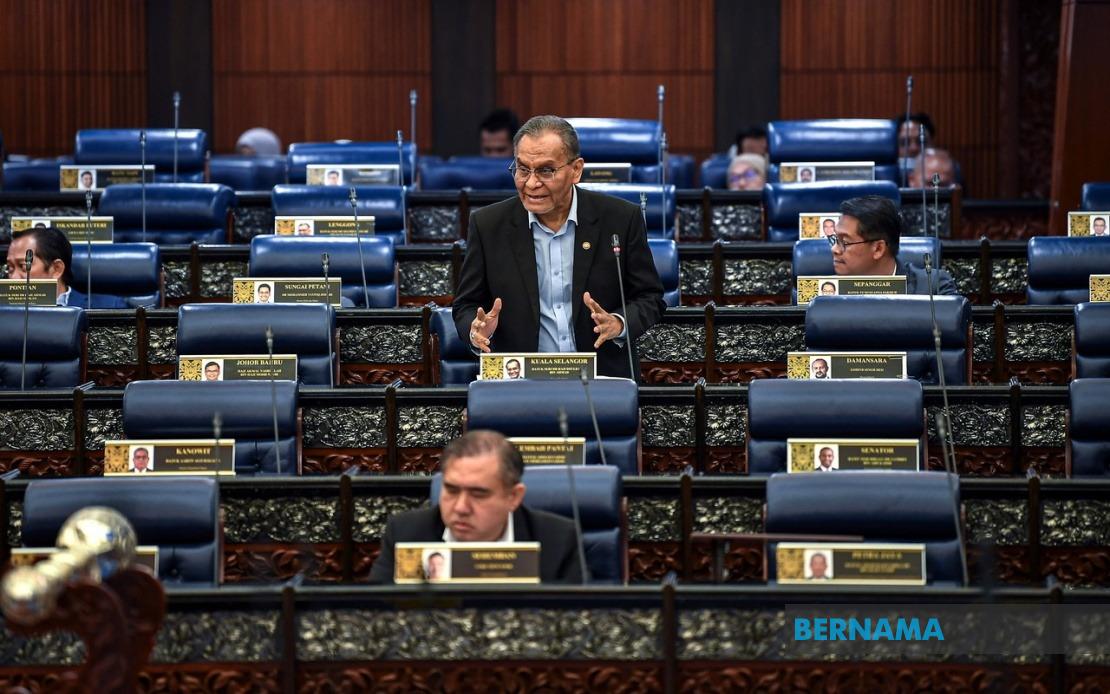
The Ministry of Health has signalled its determination to shore up the struggling private primary healthcare sector, recognising that thousands of independent clinics have shuttered over the past decade and that government intervention is essential to prevent further erosion of this critical service layer. Health Minister Datuk Seri Dr Dzulkefly Ahmad outlined a multipronged approach during parliamentary questioning that combines regulatory adjustments with structural reforms designed to help private practitioners compete while maintaining their role within Malaysia's healthcare ecosystem.
The statistics underlying this policy pivot are sobering. Since 2013, approximately 2,034 private medical clinics have closed, representing a significant loss of capacity in an already strained system. This exodus accelerated during the COVID-19 pandemic, when many small practitioners faced cash flow crises and operational uncertainty. The closure rate signals not merely economic difficulty for individual doctors but a genuine structural threat to Malaysia's primary healthcare model, which depends on a distributed network of accessible entry points for ordinary citizens seeking routine care and preventive services.
Dzulkefly acknowledged encountering this problem directly during his stewardship of the health portfolio, having witnessed clinic closures firsthand during the pandemic's most disruptive phase. His framing of the issue goes beyond simple market failure, however. He articulated a vision wherein private clinics are not merely competitors struggling to survive but essential partners in a collaborative healthcare system that serves the nation's broader health objectives. The government's stake in their survival thus rests on pragmatic recognition that public facilities alone cannot absorb the demand they currently handle.
One concrete step already implemented involves revising the minimum consultation fee structure for private medical practitioners. The government has raised this ceiling from RM10 to RM80 under existing regulations, a substantial adjustment reflecting inflationary pressures and the genuine cost of delivering quality primary care. This regulatory intervention directly targets the squeeze on clinic revenues that has driven many practices toward closure, though the adequacy of this adjustment remains contested within the profession, particularly given rising overheads in property rental, utilities, and staffing.
Outsourcing arrangements represent the second pillar of the ministry's strategy. By facilitating contractual relationships whereby private clinics undertake work on behalf of government health initiatives, the authorities hope to create stable revenue streams that extend beyond volatile fee-for-service income from walk-in patients. Such arrangements could encompass disease screening programmes, immunisation services, chronic disease monitoring, and other delegated functions that align with public health priorities while providing participating clinics with predictable cash flow.
The contextual backdrop involves Malaysia's primary healthcare architecture, which comprises 2,916 Ministry of Health clinics alongside 10,208 private GP clinics. Together, these networks form what Dzulkefly described as the backbone and frontline of the entire healthcare system, catching disease early and managing routine ailments before they escalate into hospital-level emergencies. The numerical predominance of private practitioners in this network is striking, yet their precarious financial position creates systemic vulnerability.
Parliamentarian Dr Halimah Ali, raising the issue on behalf of her Kapar constituents, highlighted a particular pressure point: declining recruitment of house officers into private practice. This suggests a generational problem wherein newly qualified doctors increasingly prefer the relative stability and prestige of public sector positions, potentially hastening the sector's decline as experienced practitioners retire without qualified successors. Such brain drain represents a long-term threat beyond immediate revenue challenges.
Dzulkefly's response indicated receptiveness to Halimah's implicit suggestion for deeper public-private integration modelled on international examples. Both the United Kingdom and Taiwan operate systems wherein private and government providers collaborate systematically on managing chronic non-communicable diseases, reducing hospital congestion whilst improving population health outcomes. Malaysia's 13th Malaysia Plan explicitly incorporates this collaborative approach to NCD management, suggesting high-level commitment to reorienting the healthcare system toward such partnership.
The strategic rationale for this reorientation reflects Malaysia's demographic and epidemiological realities. Non-communicable diseases including diabetes, hypertension, and cardiovascular conditions now dominate the disease burden, yet government hospital systems struggle with capacity constraints. Private clinics, if sustainably resourced, can absorb considerable portions of routine disease management, reserving limited public hospital beds for acute and complex cases. This division of labour benefits both sectors and serves patient interests by improving access and reducing waits.
Yet significant challenges remain unaddressed by the current policy framework. The minimum fee adjustment, while helpful, may prove insufficient to stem closures if other structural problems persist, including competitive pressure from retail clinic chains and the challenging economics of solo practice in competitive urban areas. Moreover, outsourcing arrangements require careful design to ensure they create genuine sustainability rather than merely shifting financial risk from government to already-stressed practitioners.
The political economy of healthcare in Malaysia has long reflected this tension between market efficiency and equity imperatives. Private clinics serve wealthier, urban populations disproportionately, yet the government's interest in their sustainability reflects recognition that healthcare is fundamentally interconnected—the viability of private providers affects public system loading and ultimately population health across all socioeconomic strata. Support for private clinic survival thus represents pragmatic systems thinking rather than ideological preference for privatisation.
Looking forward, the sustainability question will likely intensify as Malaysia ages and chronic disease prevalence rises. Without deliberate intervention, continued private clinic closures would push unprecedented volumes toward public facilities already operating at capacity, undermining the quality and timeliness of care nationwide. Dzulkefly's emphasis on structured collaboration and outsourcing thus reflects recognition that healthcare markets require active governance to produce socially optimal outcomes, a principle with relevance across Southeast Asia's developing health systems.
The proof of policy effectiveness will ultimately rest in clinic closure rates and new practitioner recruitment over the coming years. Fee adjustments and outsourcing opportunities offer real relief, yet they must be coupled with longer-term strategic thinking about workforce development, property costs, and the place of solo practice in an increasingly complex healthcare environment. For Malaysian policymakers and practitioners alike, the coming period represents a critical juncture determining whether private primary care remains a viable component of the national health system.