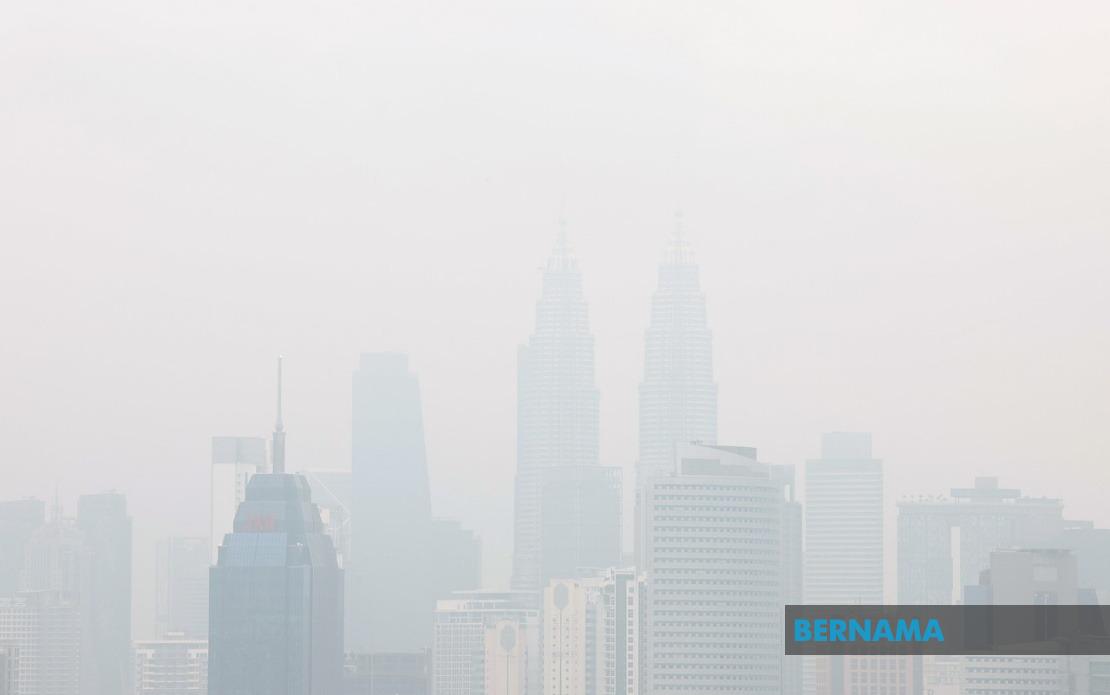
Malaysia's preparations for the Aichi-Nagoya 2026 Asian Games remain unaffected by the worsening haze that has blanketed Southeast Asia in recent weeks, according to Youth and Sports Minister Dr Mohammed Taufiq Johari. Speaking in Sungai Petani after participating in a ministerial motorcycle convoy, Dr Taufiq indicated that the government has implemented comprehensive measures to shield athletes from air quality hazards while maintaining their competitive edge heading into the continental showdown scheduled for September 19 to October 3.
The minister's reassurance comes as air quality in Malaysia and neighbouring countries has deteriorated significantly, raising concerns about outdoor sporting activities and public health. Rather than viewing the environmental challenge as insurmountable, the ministry has adopted a pragmatic approach that recalibrates training schedules without compromising athlete development. Dr Taufiq explained that his department had recently raised the matter during Cabinet deliberations, where officials acknowledged the need for continuous air quality surveillance and adaptive protocols to protect national competitors.
Central to the ministry's strategy is a deliberate shift away from outdoor training venues towards climate-controlled indoor facilities. This pivot represents a meaningful adjustment to how Malaysia's elite athletes condition their bodies and refine their technical skills in the weeks before competition. By concentrating sessions in indoor stadiums, gymnasiums, and specialised training halls, the government aims to eliminate exposure to hazardous particulate matter whilst maintaining the intensity and rigour of preparation schedules. The National Sports Institute, Malaysia's premier athletic development body, has been consulted extensively to ensure this transition does not dilute training effectiveness.
The decision to prioritise indoor training reflects broader international best practices observed during previous haze episodes and air quality crises in Asia. Many nations have found that structured indoor training, when properly resourced and managed, can sustain athlete conditioning across endurance, strength, technical, and strategic dimensions. For Malaysian competitors already engaged in rigorous preparation regimens, the adjustment requires logistical coordination but poses no fundamental threat to their readiness for Aichi-Nagoya.
Dr Taufiq's comments underscore the Malaysian government's commitment to maintaining athlete welfare as a central pillar of sports administration. This approach balances the imperatives of competitive success with the duty of care owed to young competitors whose long-term health could be compromised by prolonged exposure to poor air quality. The minister's framing suggests that environmental constraints need not derail national sporting ambitions if managed with foresight and adequate infrastructure investment.
The Aichi-Nagoya Asian Games represent a significant showcase for Malaysian sporting talent across numerous disciplines. The two-week competition will draw athletes from across Asia and provide a crucial platform for national teams to test themselves against regional rivals. Malaysia traditionally performs well at Asian Games, and maintaining uninterrupted preparation timelines is essential to maximising medal prospects across sports such as badminton, diving, gymnastics, and weightlifting, where the country has established competitive pedigrees.
The haze phenomenon itself reflects broader environmental and transboundary air quality challenges affecting Southeast Asia, particularly during certain seasonal cycles. Indonesia's land and forest fires, combined with meteorological patterns, contribute significantly to regional air pollution. Malaysia has previously experienced severe haze episodes, most notably in 2015, when air quality indices reached hazardous levels across Peninsular Malaysia and Sabah. Current conditions, whilst concerning, remain manageable with appropriate precautions and monitoring.
Dr Taufiq's statement that guidelines have been established suggests a coordinated, whole-of-government response rather than ad-hoc adjustments. This systemic approach likely involves coordination between the Sports Ministry, the National Sports Institute, individual sports federations, and health authorities to ensure training modifications are uniformly implemented. Such coordination is essential to prevent athletes in certain sports or locations from receiving inconsistent guidance that could fragment preparation efforts.
The minister's decision to engage publicly on this matter also serves a reassurance function for Malaysian supporters and the international sporting community. By confirming that air quality will not disrupt Asian Games preparations, Dr Taufiq signals Malaysia's organisational competence and determination to field competitive teams despite environmental headwinds. This proactive communication helps maintain public confidence in national sporting institutions and demonstrates responsive governance.
Looking forward, the success of Malaysia's adapted training approach during this haze episode may offer valuable lessons for future sporting events. As climate variability and transboundary air pollution become increasingly frequent challenges in Asia, developing resilient preparation protocols that do not compromise athlete development could become standard practice across regional sporting organisations. Malaysia's current experience may inform how other nations approach similar environmental obstacles during critical preparation phases.
The minister's emphasis on continuous monitoring of haze levels indicates that flexibility remains built into the government's response framework. Should air quality improve substantially, training protocols can be adjusted accordingly to reintroduce outdoor sessions that offer benefits not entirely replicable indoors. Conversely, if conditions worsen, further modifications can be implemented. This adaptive stance reflects pragmatic crisis management rather than rigid adherence to predetermined approaches.
Ultimately, Dr Taufiq's reassurance that athletes' preparations remain uninterrupted reflects the Malaysian government's determination to ensure that environmental factors do not undermine national competitive performance at the Asian Games. By combining infrastructure adaptation, expert consultation, and continuous monitoring, the ministry has constructed a framework designed to navigate the haze challenge whilst keeping eyes firmly fixed on the competitive calendar ahead.

