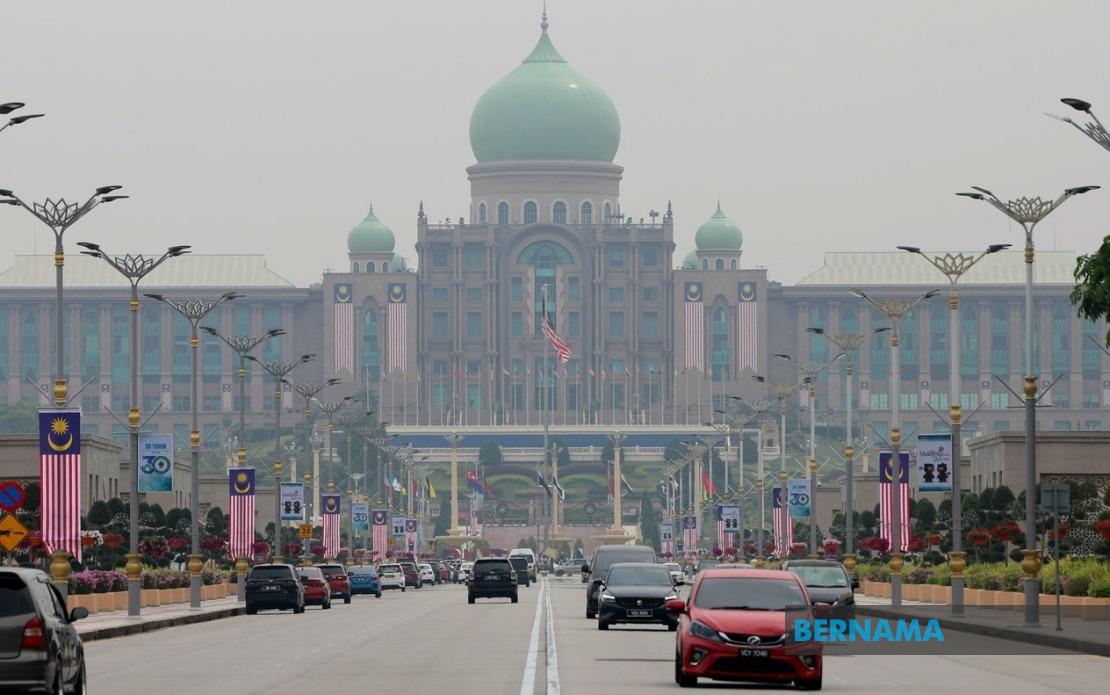
Prime Minister Datuk Seri Anwar Ibrahim will address the escalating haze problem gripping parts of Southeast Asia when he travels to Bandar Seri Begawan for talks with the Sultan of Brunei, Sultan Hassanal Bolkiah, beginning tomorrow. The transboundary air quality crisis is expected to feature prominently in their discussions during the 27th Malaysia-Brunei Annual Leaders' Consultation (ALC-27), according to Malaysia's High Commissioner to Brunei, Datuk Mohd Aini Atan. This bilateral mechanism remains the primary platform through which the two nations coordinate on matters of mutual concern at the highest political level.
The timing of this consultation underscores the urgency of addressing air pollution affecting the wider region. Malaysia's High Commissioner emphasised that the presence of Sarawak Premier Tan Sri Abang Johari Tun Openg and Sabah Chief Minister Datuk Seri Hajiji Noor in the delegation signals the seriousness with which both governments view the matter. Sarawak has emerged as the geographic epicentre of the current crisis, bearing the brunt of hazardous air conditions that threaten public health and economic activity across multiple districts.
Data from the Malaysian Air Pollutant Index Management System (APIMS) portal reveals the severity of the situation on the ground. The Serian area in Sarawak recorded an Air Pollutant Index reading of 204 as of 5 pm on August 20, placing it in the "very unhealthy" category. This threshold represents a level at which vulnerable populations—children, elderly persons, and those with respiratory conditions—face significant health risks from prolonged outdoor exposure. The situation extends beyond a single district, with five additional areas across Sarawak simultaneously reporting unhealthy readings: Kuching at 195, Samarahan at 182, Sri Aman at 179, Sarikei at 158, and Sibu at 152.
The widespread geographic distribution of poor air quality across Sarawak indicates a systemic problem rather than a localised phenomenon. The affected areas span from the coastal zones of the state into its interior, suggesting either multiple pollution sources or significant atmospheric transport patterns carrying pollutants across considerable distances. For Malaysian policymakers, this reality complicates mitigation efforts and necessitates coordinated responses that may extend beyond national borders. Regional cooperation becomes essential when air masses carrying pollutants originate from or pass through neighbouring territories.
Brunei's inclusion in this dialogue reflects the interconnected nature of environmental challenges in the region. While the sultanate does not appear to face the same intensity of air pollution as Sarawak, transboundary haze recognises no political boundaries. Brunei shares maritime and terrestrial borders with Malaysia and sits within the broader atmospheric circulation patterns that can distribute pollutants across Borneo and neighbouring areas. Sultan Hassanal Bolkiah's government has a vested interest in preventing degradation of air quality within its territory, making this bilateral conversation relevant to both capitals.
The Annual Leaders' Consultation mechanism has proven instrumental in addressing bilateral issues ranging from trade and investment to security and social matters. By elevating the haze discussion to this apex level, both governments signal their commitment to tackling the challenge through high-level coordination rather than routine bureaucratic channels. The involvement of regional leaders from Sarawak and Sabah brings ground-level perspective to discussions that might otherwise remain abstract at the federal level. These officials can articulate specific impacts on their constituents and advocate for resources and policy support needed to address the crisis.
The haze phenomenon in Southeast Asia typically intensifies during specific seasons when agricultural burning, industrial activity, and natural factors converge to create hazardous conditions. Understanding the root causes of the current episode will be crucial for formulating effective responses. Whether the pollution originates primarily from forest fires, land-clearing activities, or industrial emissions will determine the focus of bilateral efforts. If sources lie within Malaysian territory, federal and state governments must implement stricter enforcement of environmental regulations. If transboundary sources contribute significantly, diplomatic channels with neighbouring countries become essential for coordination and mutual accountability.
For Malaysian citizens in affected areas, the immediate concern centres on health protection and access to reliable information about air quality. Public authorities must ensure that real-time data remains accessible and that guidance on protective measures reaches vulnerable populations. Schools and workplaces may need to implement contingency plans, including remote operations during peak pollution episodes. The economic dimension cannot be overlooked either, as persistent poor air quality discourages business investment, disrupts tourism, and affects productivity across sectors dependent on normal operations.
Brunei's perspective on this issue may shed light on regional patterns and potential solutions. The sultanate, smaller in population and territory than Malaysian states but significant as a maritime nation and energy producer, may have experienced or anticipated haze impacts. Discussions between Anwar and Sultan Hassanal Bolkiah could explore whether Brunei has developed mitigation strategies applicable to the Malaysian context, or whether joint monitoring systems might be established to track transboundary pollution more effectively. Sharing technical expertise and data could strengthen both nations' capacity to respond to future episodes.
The broader context of Malaysia-Brunei relations suggests these conversations extend beyond immediate crisis management. Both countries maintain extensive economic ties, cultural exchanges, and security cooperation. The ALC-27 provides opportunity to discuss how environmental challenges intersect with these other dimensions of bilateral relations. For instance, air quality degradation could affect tourism revenues for both nations, making environmental protection indirectly relevant to economic development objectives that dominate bilateral agendas.
Looking forward, the outcomes of Anwar's visit may shape how Malaysia approaches haze management in subsequent months. Whether the talks yield commitments to specific joint initiatives, enhanced information-sharing protocols, or resource allocation decisions will become apparent in official statements and subsequent policy implementations. Regional observers will watch closely to see whether this summit catalyses concrete action or remains primarily a platform for discussing concerns without producing tangible results. Given the scale of air quality deterioration evident in current API readings, stakeholders across both nations will expect meaningful progress on an issue affecting millions of people's daily lives and long-term wellbeing.

