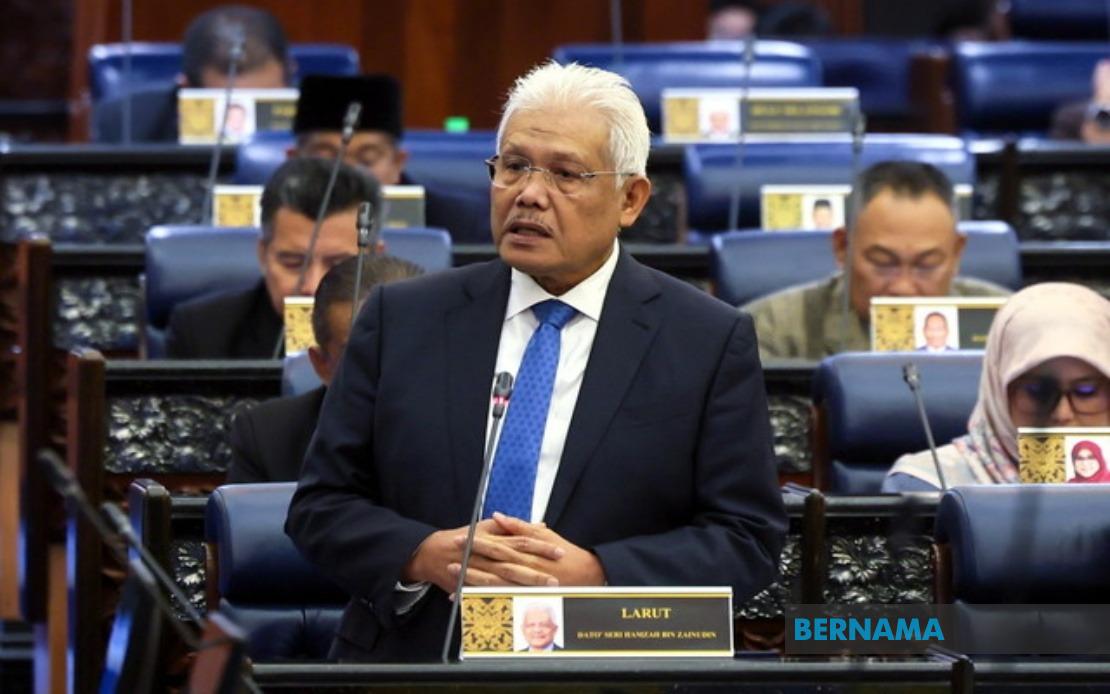
The position of Opposition Leader in Parliament has been formally clarified following a series of administrative changes spanning nearly a month. Dewan Rakyat Speaker Tan Sri Johari Abdul announced on June 22 that Larut MP Datuk Seri Hamzah Zainudin has officially returned to the role of Opposition Leader, effective June 18. The confirmation came during the Speaker's opening remarks at Oral Question Time, establishing clarity on the parliamentary opposition's leadership structure as the legislature continues its work.
The transition reflects procedural adjustments made in light of developments within the opposition coalition and formal notifications considered by the Speaker's office. Johari indicated that Hamzah held the Opposition Leader position initially as of May 20, 2026, a date marking the beginning of the current parliamentary cycle regarding this office. This baseline date proved significant in tracking the formal sequence of leadership appointments and transitions that followed over the subsequent weeks.
The interim period saw Kemaman MP Datuk Seri Dr Ahmad Samsuri Mokhtar assume the Opposition Leader responsibilities from May 21 through June 10. During this twenty-day window, Samsuri Mokhtar carried out the duties and obligations inherent to the role, representing the parliamentary opposition in parliamentary proceedings and institutional arrangements. The Speaker took the opportunity to acknowledge Samsuri Mokhtar's service during this period, recognising his contribution to maintaining institutional continuity during the transitional arrangement.
Hamzah's return to the position represents a realignment within the opposition parliamentary caucus. The Larut MP, who previously held this position, has now resumed his duties following the completion of the interim arrangement. The formal restoration of Hamzah to the role underscores the stability mechanisms within parliamentary procedure, as the Speaker confirmed the change in accordance with established Standing Orders and constitutional protocols governing such transitions.
The announcement carried deeper implications for understanding the current configuration of opposition politics in Malaysia. The decision to appoint Samsuri Mokhtar on an interim basis, followed by Hamzah's reinstatement, suggests internal organisational adjustments within the opposition coalition. For Malaysian political observers, such shifts in formal parliamentary roles often reflect broader negotiations, alignment changes, or strategic positioning among opposition MPs and their respective parties.
Simultaneously, the Speaker confirmed two parliamentary vacancies that will require by-elections in the coming months. PKR MPs Datuk Seri Rafizi Ramli, who represents Pandan, and Nik Nazmi Nik Ahmad, representing Setiawangsa, both submitted formal letters relinquishing their parliamentary memberships on May 18. Both seats are now considered vacant following the official surrender of their member status, triggering constitutional processes for their replacement.
The vacancies in Pandan and Setiawangsa carry electoral significance for the opposition coalition, as both constituencies have traditionally supported PKR and allied parties. Rafizi Ramli and Nik Nazmi have held considerable prominence within PKR's parliamentary delegation, making their simultaneous departure noteworthy. The circumstances surrounding their resignations from parliament suggest strategic decisions regarding their political futures, though the specific rationale remains subject to interpretation and media scrutiny.
Johari formally notified the Election Commission of both vacancies in accordance with Article 54(1) of the Federal Constitution, initiating the machinery for conducting by-elections. The constitutional requirement mandates that nominations for these vacant seats be processed and elections held within established timeframes, though exact dates depend on the Election Commission's scheduling and logistical considerations. These by-elections will represent contests where both the ruling coalition and opposition will seek to demonstrate electoral strength in urban constituencies historically significant to Malaysian politics.
For Malaysian readers, the overlapping developments regarding Opposition Leader succession and the parliamentary vacancies illustrate the dynamic nature of institutional politics. Parliamentary procedures for confirming and transitioning such roles, while appearing technical, reflect real shifts in political influence and coalition configuration. The timing of these changes and their coordination suggests coordinated strategic thinking among opposition figures, potentially positioning the coalition for anticipated parliamentary developments or external political pressures.
The broader context includes ongoing political realignments in Malaysian parliamentary life, where coalition stability and internal party dynamics continue shaping the landscape of representation and opposition scrutiny. The Opposition Leader role carries formal responsibilities in parliamentary procedure, question time management, and institutional negotiation with government officials. Hamzah's return therefore carries significance for how parliamentary oversight functions and how opposition positions are articulated in the chamber during the coming legislative sessions.
These institutional changes occur amid Malaysia's continued constitutional and political evolution, where parliamentary procedures increasingly receive public attention. The Speaker's formal confirmations and announcements establish official records of such transitions, ensuring transparency and clarity regarding parliamentary representation and institutional roles. For constituencies affected by the vacancies, the by-election process will commence following the Election Commission's determinations, presenting voters with opportunities to participate in determining representation for their areas.