Sabah Chief Minister Datuk Seri Hajiji Noor's attendance at the 2026 PKR National Congress in Melaka, alongside other Gabungan Rakyat Sabah (GRS) leaders, has become a symbol of the strengthening institutional ties between the state government and the federal administration. The high-profile presence of the GRS delegation at the event, held at the Melaka International Trade Centre (MITC), reinforces a broader narrative of cross-party cooperation that has increasingly characterised Malaysian politics at the federal level since the formation of the current government.
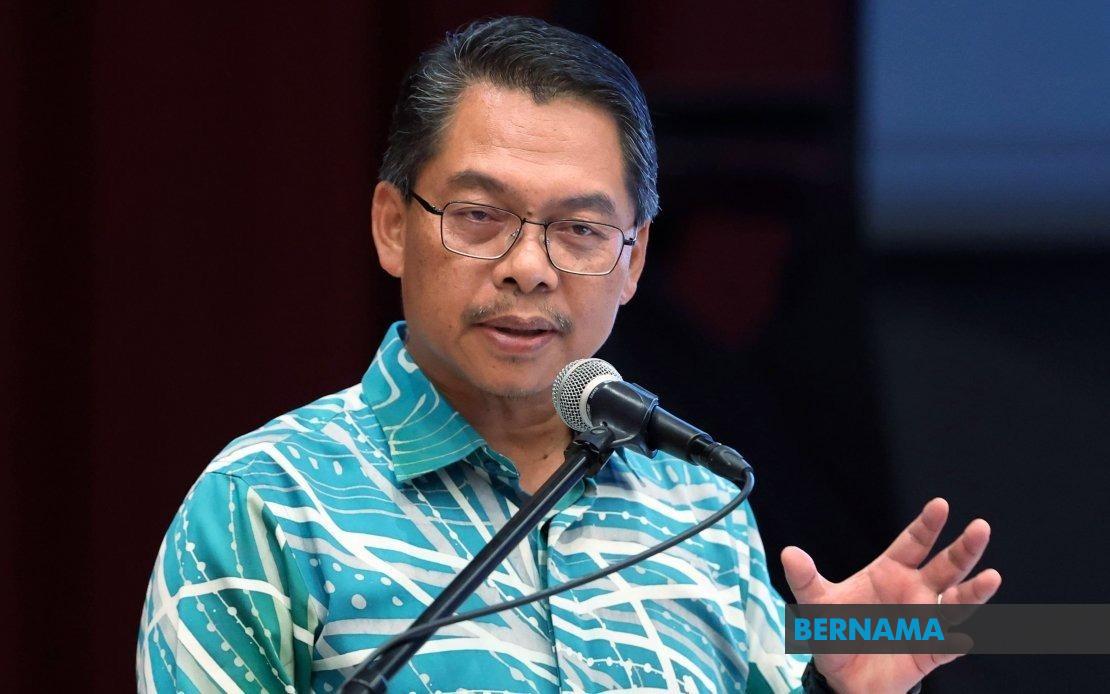
The significance of this gathering extends beyond ceremonial politics. Datuk Mustapha Sakmud, chairman of the Sabah PKR Leadership Council and Minister in the Prime Minister's Department (Sabah and Sarawak Affairs), framed the attendance as a reflection of pragmatic governance where ideological differences do not preclude collaborative action on matters affecting the state's development. This approach represents a departure from the zero-sum adversarial politics that once dominated Malaysian political discourse, particularly in East Malaysia where coalition-building across traditional party lines has become increasingly common.
According to Mustapha, the cooperation between Sabah and the federal government transcends purely political considerations. The emphasis on translating political stability into tangible benefits for ordinary Sabahans—including economic opportunities, improved infrastructure, and solutions to pressing local concerns—demonstrates how contemporary Malaysian governance frames political alliances around service delivery and regional prosperity. This pragmatic orientation has particular resonance in Sabah, where voters have historically shown willingness to shift allegiances based on which governments deliver developmental outcomes.
The MADANI Government, led by Prime Minister Datuk Seri Anwar Ibrahim, has articulated a commitment to inclusive and equitable national development that acknowledges regional particularities. For Sabah, this translates into recognising the state's distinct constitutional position and development needs. The presence of Hajiji and his cabinet ministers at an opposition party's national congress underscores this commitment, signalling that the federal administration views the state government as a partner in implementation rather than a rival to be marginalised.
A central theme in Mustapha's remarks concerns the Malaysia Agreement 1963 (MA63), the foundational constitutional arrangement governing Sabah and Sarawak's relationship with the federal government. The minister emphasised that PKR would champion the implementation of MA63 within a fair federal framework that respects Sabah's special constitutional status. This focus reflects ongoing negotiations and discussions surrounding state autonomy, revenue sharing, and the federal-state balance of power—issues that remain contentious in East Malaysian politics despite ostensible unity at the leadership level.
The delegation's composition reveals the breadth of Sabah's administrative machinery engaged in this cooperative arrangement. Deputy Chief Minister I Datuk Seri Dr Joachim Gunsalam's attendance, alongside ministers responsible for rural development, youth and sports, education, and science and technology, suggests that cooperation extends across multiple policy domains. This wide representation indicates that the federal-state relationship encompasses not merely political consensus but also operational coordination in service delivery across various sectors affecting Sabahan constituents.
The messaging around the GRS leaders' presence carries particular weight in the context of Malaysia's fragmented political landscape. Mustapha's statement that political differences need not obstruct cooperative engagement when broader state interests are at stake offers a template for managing tensions within the broader federal coalition. In an environment where governments are built on narrow majorities and shifting allegiances, the willingness to engage across traditional party divides provides stability and demonstrates to voters that governance can transcend partisan tribalism.
For Malaysian observers and particularly those in Sabah, this gathering illustrates how coalition politics operates at the regional level. The GRS, which emerged as a dominant political force in Sabah following reconfiguration of state politics in recent years, has demonstrated capacity to work alongside the federal Pakatan Harapan-led government despite maintaining separate party identities. This flexibility has allowed Sabah to potentially extract concessions and maintain leverage in negotiations over resource allocation and policy implementation.
The 2026 PKR National Congress itself, themed 'Memugar Reformasi, Membina MADANI', provided the platform for this display of unity. By inviting and honouring the attendance of Sabah's ruling party representatives, PKR signalled openness to collaboration with non-party members and demonstrated confidence in its broader political positioning. For Prime Minister Anwar Ibrahim, who officiated the congress, the presence of rival state leaders reinforced a narrative of inclusivity and pragmatic governance that transcends ideological boundaries.
Looking forward, the implications of this cooperation for Sabah's developmental trajectory remain significant. The state continues to grapple with infrastructure deficits, economic diversification needs, and demographic pressures that require sustained federal investment and support. The cultivation of working relationships with federal leaders, regardless of party affiliation, enhances the state government's capacity to negotiate effectively for resources and influence policy implementation at the national level.
However, this cooperative arrangement should not obscure underlying tensions inherent in federalism and centre-state relations. Questions concerning revenue distribution, environmental regulation, and autonomy in certain domains continue to generate friction between Sabah and Kuala Lumpur. The cordial atmosphere at political congresses masks persistent disagreements that require ongoing negotiation and management. For Malaysian federalism to function effectively, such cooperation must be sustained not merely through symbolic gestures but through substantive policy concessions and institutional reforms that genuinely reflect the interests of East Malaysian states.

