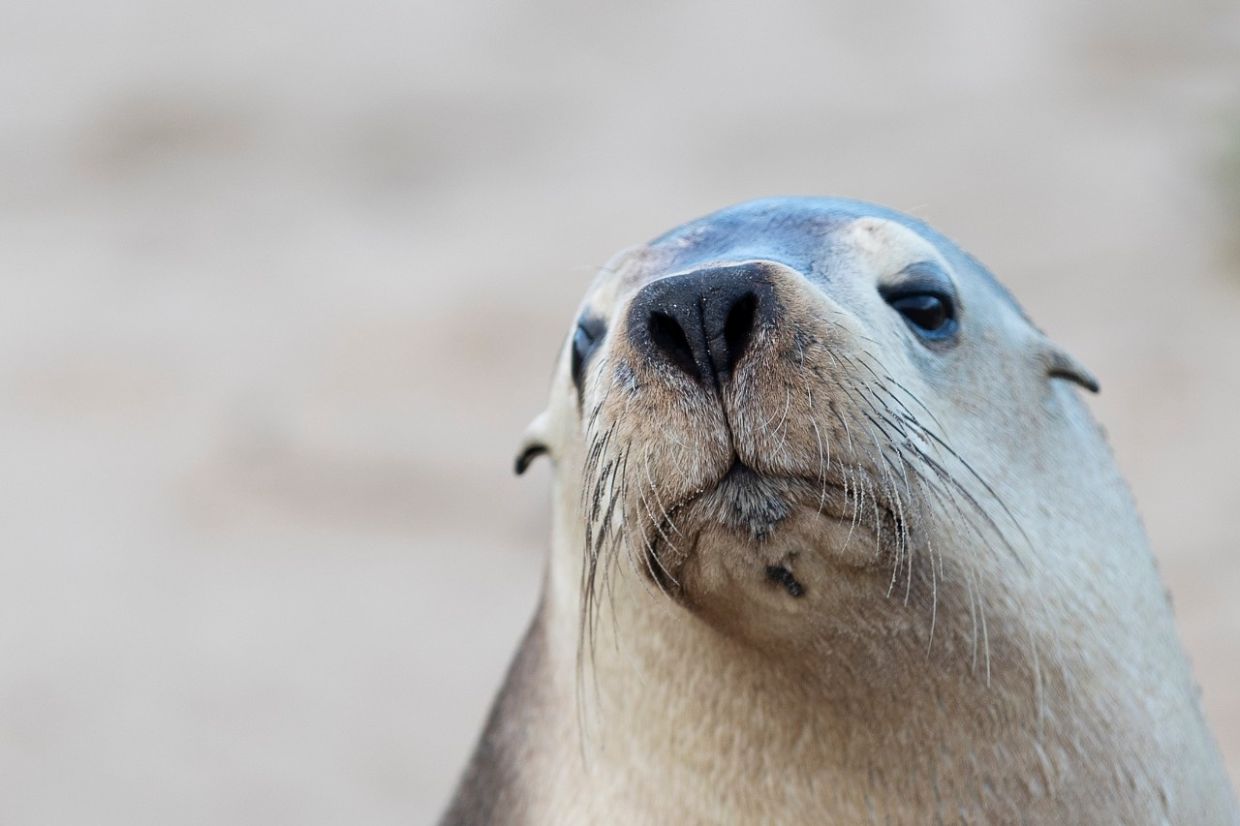
Researchers and conservation officials are sounding alarm bells over the rapid spread of highly pathogenic H5N1 avian influenza across South Australia, with growing concern that the virus will inevitably jump to one of the world's most vulnerable marine mammal populations. The emergence of the disease on Kangaroo Island, home to the globally significant Seal Bay colony of Australian sea lions, has raised urgent questions about the adequacy of current containment measures and the broader biosecurity implications for the region's wildlife.
The trajectory of H5N1 detections in South Australia has accelerated dramatically in recent weeks. Authorities initially identified Australia's first suspected case of the highly pathogenic strain in a seagull on the state's south-east coast, pushing the total number of suspected cases in the state to 21, complemented by 19 confirmed instances of the virus. The pattern is deeply concerning: of 40 confirmed or suspected cases across South Australia, 33 have emerged since the previous Monday alone, suggesting exponential growth rather than stable circulation. Four of these newly detected cases surfaced specifically on Kangaroo Island, with one confirmed at Seal Bay itself—the very location that harbours approximately five per cent of the entire global Australian sea lion population.
Wayne Boardman, a wildlife veterinarian affiliated with the University of Adelaide, has articulated what many in the scientific community already fear: that the presence of H5N1 in birds at Seal Bay makes transmission to the resident sea lion population "almost certainly" inevitable. His assessment draws on historical precedent from South American outbreaks, where sea lions and fur seals demonstrated exceptional vulnerability to this particular viral strain. The 2022 event in South America proved catastrophic, with an estimated 30,000 sea lions perishing within a six-month window. More recently, between August 2025 and January 2026, approximately 13,359 southern elephant seal pups died on Heard Island in the Southern Ocean following H5N1 infection, underscoring the devastating mortality rates these marine mammals experience when exposed to the virus.
The Australian sea lion itself remains one of the country's most endangered marine species. Seal Bay's population represents a disproportionately important reservoir of genetic diversity and ecological function for the broader species. Unlike many marine mammals that have demonstrated resilience through rapid reproduction or behavioural adaptation, sea lions are slow-breeding animals with extended parental investment periods. This biological characteristic means that any significant mortality event would require decades to recover from through natural reproduction alone. The convergence of a highly lethal pathogen with an already vulnerable population creates a scenario where a single outbreak could fundamentally alter the conservation status of Australian sea lions globally.
Recognising the gravity of the situation, South Australia's government moved quickly to implement protective measures. Beach tours at Seal Bay were temporarily suspended on Wednesday, a decision aimed at reducing human activity in the vicinity of infected birds and potentially disrupting transmission pathways. This precautionary action reflects an acknowledgment that conventional management approaches may prove inadequate once the virus establishes itself within the marine mammal population. However, suspension of tourism, while necessary, addresses only the symptom rather than the underlying threat.
Minister for Agriculture, Fisheries and Forestry Julie Collins conveyed the government's commitment to containing the outbreak through continued collaboration with scientific experts. She emphasised that, so far, no evidence of H5N1 has surfaced within Australia's agricultural or commercial poultry sectors, suggesting the outbreak remains concentrated in wild bird populations. The ministerial statement also attempted to reassure the public that the risk to human health from the current situation remains low, though this assessment may provide limited comfort to conservation advocates focused on wildlife impacts rather than zoonotic transmission.
The broader geographical distribution of H5N1 in Australia extends beyond South Australia's borders. As of Friday, 31 July, the remainder of Australia's states and territories had collectively reported 14 confirmed cases, with the virus first detected on the mainland during June. This pattern indicates that South Australia's outbreak, while acute, represents part of a larger epidemiological wave affecting the continent. The timing and geographic spread suggest that migratory birds may be driving the virus's movement across state boundaries, complicating containment efforts that typically operate within political rather than biological zones.
Historical comparisons underscore the stakes involved in this unfolding situation. The H5N1 outbreak that devastated South American sea lion populations in 2022 occurred within a different ecological context but demonstrated the virus's capacity to cause mass mortality in these species at rates that exceed reproduction. The subsequent event on Heard Island, a remote location in the Southern Ocean, affected a different species but confirmed that H5N1 presents a persistent threat to seal populations across the Southern Hemisphere. If the South Australian outbreak follows this established pattern, the consequences for Seal Bay's population could be irreversible within a human generation.
Veterinary and conservation experts are now faced with the difficult task of developing response protocols that can be implemented if H5N1 breaches the species barrier at Seal Bay. Options range from limited quarantine and treatment of affected animals to broader population management interventions, each fraught with practical and ethical complications. The compressed timeline—with infected birds already present at the colony site—means that preparation must occur in real time rather than as theoretical exercise. The coming weeks will likely determine whether Australia's scientific and conservation institutions can mount an effective response to a threat that appears both imminent and formidable.

