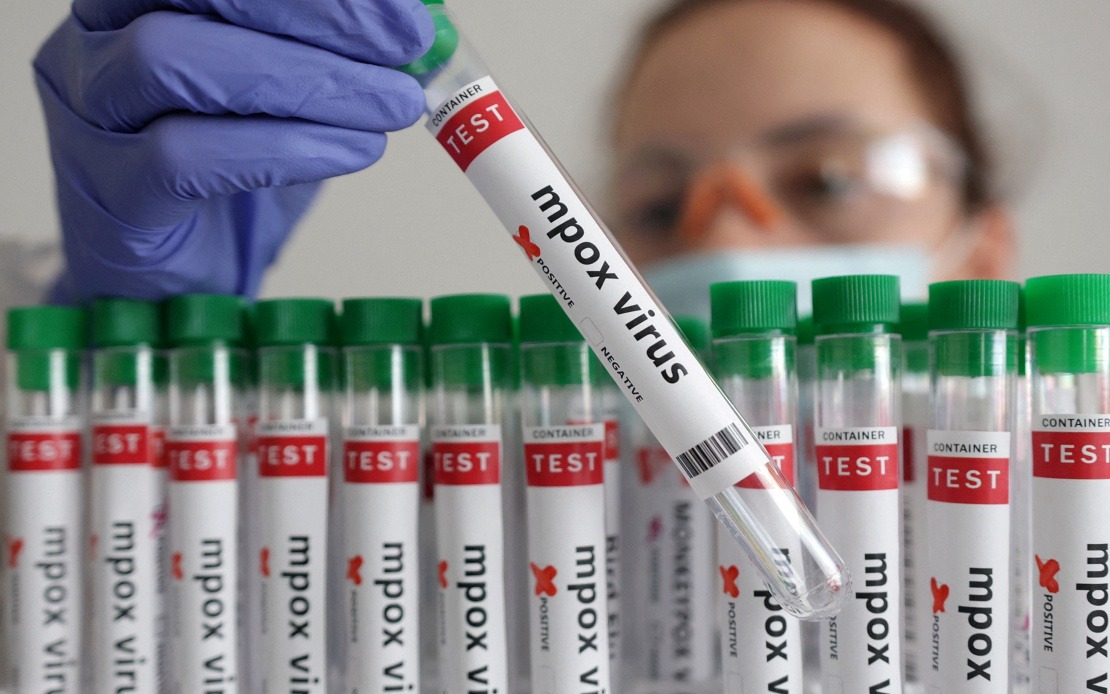
Guinea-Bissau joined the growing list of African nations grappling with mpox transmission on Saturday when Public Health Minister Quinhin Nantote announced confirmation of the country's inaugural case. The development marks a significant public health milestone for the West African nation and underscores the ongoing regional vulnerability to viral outbreaks that demand coordinated governance responses. The case emerged in a 27-year-old woman who initially sought medical attention on June 24, prompting laboratory investigations that would ultimately confirm the diagnosis through multiple testing pathways.
The diagnostic confirmation process itself demonstrates the regional infrastructure challenges and cooperation mechanisms at play across West Africa. Guinea-Bissau's National Institute of Public Health first identified viral presence in skin lesion samples collected from the patient, but the nation lacked independent capability to definitively confirm mpox. Consequently, samples were forwarded to the Institut Pasteur in Dakar, Senegal, where confirmation was completed. This reliance on cross-border laboratory facilities highlights how smaller nations depend on regional expertise hubs—a reality that Southeast Asian countries navigating pandemic preparedness must contemplate when evaluating their own institutional capacities and regional partnerships.
Minister Nantote's immediate activation of national response mechanisms reflects adherence to World Health Organisation guidelines and the International Health Regulations framework. These protocols represent standardised approaches that govern how countries should detect, investigate, and contain infectious disease threats. By mobilising these established mechanisms promptly, Guinea-Bissau positioned itself to trace contacts, monitor developments, and prevent further transmission chains. The epidemiological investigations launched post-confirmation specifically aimed to identify individuals who had contact with the confirmed patient, a critical intervention for limiting outbreak expansion in communities where healthcare infrastructure may be limited.
Surveillance enhancement across Guinea-Bissau's borders and nationwide demonstrates recognition that infectious disease containment requires territorial defence mechanisms. Border health screening represents a frontline intervention, though effectiveness depends heavily on cooperation from neighbouring states and adequacy of personnel at crossing points. Enhanced surveillance domestically signals intent to identify additional cases rapidly should community transmission accelerate. For Malaysian policymakers monitoring regional health security, Guinea-Bissau's mobilisation reflects standard outbreak response architecture that developing nations attempt to operationalise despite resource constraints.
The public health messaging component proves equally significant to laboratory and surveillance activities. Minister Nantote's directives emphasising frequent handwashing, physical distancing from symptomatic individuals, and heightened public awareness represent foundational prevention strategies applicable across economies regardless of development level. These interventions depend substantially on public compliance and understanding—factors influenced by communication effectiveness, community trust in health authorities, and socioeconomic barriers to implementation. In Guinea-Bissau's context, achieving widespread behavioural change may encounter obstacles linked to healthcare literacy, infrastructure access, and the competing priorities of vulnerable populations.
Mpox transmission dynamics warrant closer examination for Southeast Asian audiences. The virus spreads through body fluid contact, respiratory droplets, and contaminated materials—transmission routes that generate particular concern in densely populated regions with limited sanitisation resources. The disease manifests through fever, muscle aches, characteristic skin lesions, and lymph node swelling. While mpox generally presents lower mortality rates than some viral outbreaks, prolonged illness and visible symptoms create social stigma and potential public panic if misunderstood. Southeast Asian nations with substantial informal settlements and transient populations face comparable transmission risks should mpox establish regional footholds.
Guinea-Bissau's case arrival occurs against a backdrop of recurring mpox resurgence in Africa, where human-animal transmission interfaces and limited vaccination coverage create persistent vulnerability. The nation's health system already manages substantial infectious disease burdens including malaria, tuberculosis, and other endemic conditions. Adding mpox surveillance and response to existing institutional demands stretches already constrained resources. This reality parallels situations facing several Southeast Asian countries managing parallel disease threats while building mpox preparedness—a competition for finite health system capacity that often disadvantages emerging threats relative to established endemic diseases.
The confirmation process itself reveals important diagnostic capacity limitations. A 27-year-old woman's initial presentation on June 24 required laboratory investigation before confirmation could occur through international facilities. This diagnostic delay—potentially spanning days between sample collection and confirmation in Senegal—illustrates time lags that hamper rapid outbreak response. During intervals between symptom onset and confirmed diagnosis, patients remain clinically suspicious rather than definitively categorised, complicating contact tracing and isolation protocols. Malaysian health institutions, despite superior laboratories, similarly navigate diagnostic confirmation delays that impede response timing.
Regional cooperation mechanisms proved essential for Guinea-Bissau's outbreak investigation. Institut Pasteur Dakar functions as a regional reference centre for disease confirmation across West African jurisdictions. This institutional arrangement reflects recognition that smaller nations benefit from shared diagnostic infrastructure rather than duplicating expensive capabilities individually. Southeast Asia possesses comparable referral arrangements, though gaps remain in certain pathogen categories and geographic coverage. Guinea-Bissau's experience underscores value in maintaining and strengthening these cooperative networks as emerging or resurgent infectious diseases demand rapid confirmation and expertise deployment.
Public health authorities' emphasis on avoiding close contact with symptomatic individuals reflects sound epidemiological principle but practical implementation challenges. In communities where economic necessity drives continued interaction regardless of health risks, and where illness isolation remains financially catastrophic for vulnerable households, such recommendations encounter resistance. Guinea-Bissau's health message implicitly assumes population segments capable of respecting isolation advice—an assumption not universally valid in the nation's socioeconomic context. Similar implementation gaps affect compliance with public health directives across Southeast Asian countries despite stronger institutional capacity.
The international response architecture activated through Guinea-Bissau's confirmation demonstrates how disease detection now triggers cross-border investigations and information sharing. WHO notifications, regional disease surveillance networks, and collaborative epidemiological investigations connect adjacent and distant nations through shared public health governance structures. For Malaysia and the region, Guinea-Bissau's case represents potential transmission pathway threat assessment and early warning regarding mpox territorial expansion. African mpox cases directly inform Southeast Asian pandemic preparedness planning through risk stratification and resource prioritisation exercises.
Looking forward, Guinea-Bissau's response effectiveness will depend on sustained institutional commitment, adequate resource mobilisation, and public cooperation across an extended outbreak investigation period. The nation's health authorities have initiated appropriate protocols, but maintaining surveillance intensity, managing contact tracing at scale, and preventing healthcare worker infections require persistent effort and funding. International technical assistance, vaccine availability where appropriate, and neighbouring nation cooperation will substantially influence outbreak trajectory. Guinea-Bissau's experience offers instructive lessons for Southeast Asian nations similarly vulnerable to mpox establishment, particularly regarding cross-border coordination imperatives and resource gaps requiring regional or international support mechanisms.

