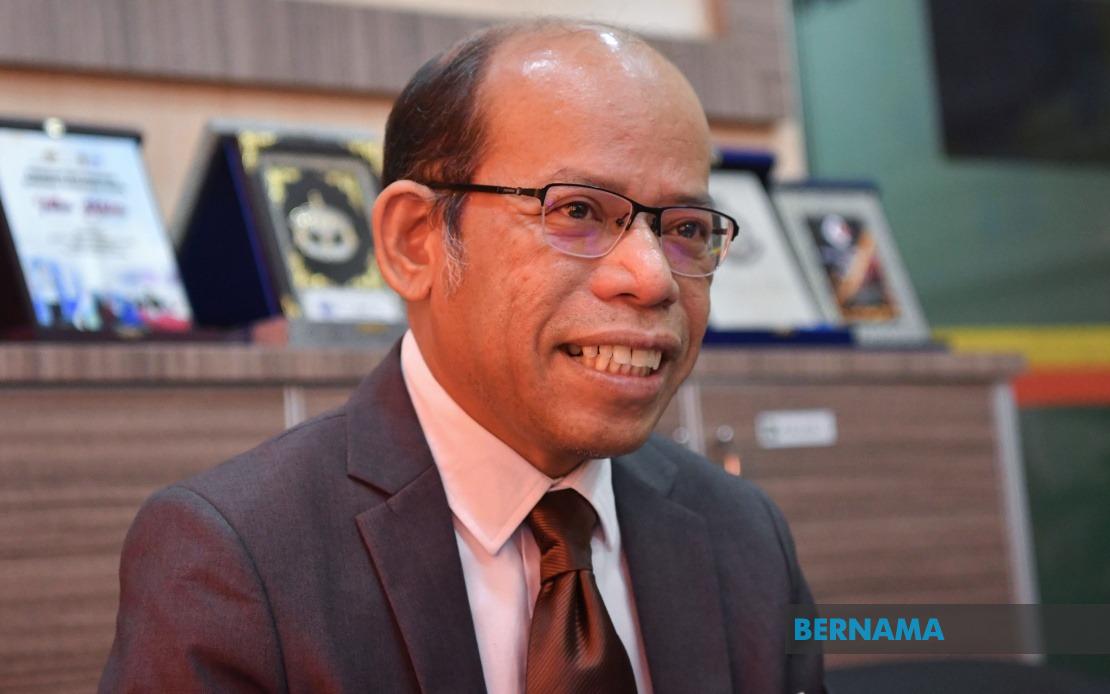
The Gua Musang District Council has identified an urgent need for nearly RM1 million in development funding to transform the historic Bandar Lama area into a significant tourism destination within the district. District Council president Mohd Roshdi Ismail revealed the funding requirement during a media briefing, emphasising that this investment would form the foundation for a comprehensive upgrade and redevelopment programme targeting strategic locations with proven potential to attract international visitors.
Bandar Lama possesses distinctive geographical and historical characteristics that set it apart from other potential tourism sites in Kelantan. The locality is naturally framed by surrounding hills and features significant historical landmarks, including extensive limestone cave formations and sites directly linked to Malaysia's communist insurgency period. These layered historical narratives—spanning natural geology, colonial infrastructure, and modern Malaysian history—provide the district with a compelling foundation for cultural and heritage tourism development.
Among the priority locations identified for restoration and enhancement is the old railway station situated at the foothills, which carries substantial historical significance due to its connection to communist-era military operations and conflicts. Equally noteworthy is a grave site within the Masjid Razaleigh area, commemorating a pregnant woman killed during communist attacks. These sites represent both tragedy and historical documentation, offering opportunities for responsible heritage tourism that educates visitors while honouring the experiences of those affected by Malaysia's complex modern history.
Mohd Roshdi explained that the initial financial framework of nearly RM1 million would be directed toward restoration activities and infrastructure improvements across these identified zones. The council is actively exploring partnerships with appropriate government agencies and development bodies to formalise funding proposals and coordinate implementation across the various sites. This methodical approach reflects recognition that successful tourism development requires multi-agency collaboration and professional project management.
The Gua Musang District Council intends to engage Majlis Amanah Rakyat (MARA) alongside other relevant government bodies to conduct comprehensive needs assessments for the Bandar Lama area. This collaborative framework will help identify specific infrastructure deficiencies, determine appropriate restoration methodologies, and establish funding mechanisms that align with government development priorities. Such partnership approaches have proven effective in other Malaysian heritage tourism projects, combining technical expertise with access to financing programmes.
Beyond the immediate heritage and cultural dimensions, district leadership recognises that revitalising Bandar Lama carries substantial economic implications for the local community. Tourism development in historically significant areas typically generates employment through hospitality services, guiding activities, local craft sales, and food and beverage establishments. The anticipated visitor influx would create sustained economic activity that extends beyond seasonal fluctuations, providing stable income opportunities for residents.
The strategic focus on Bandar Lama reflects broader recognition within Kelantan's development framework that heritage tourism represents an underutilised economic asset. While major tourist destinations concentrate in northern Kelantan, the district's historical significance and natural features suggest considerable untapped potential. Development of Bandar Lama could position Gua Musang as a secondary tourism circuit, distributing visitor spending more equitably across the state while reducing pressure on over-developed destinations.
Gua Musang's remote location and relatively underdeveloped tourism infrastructure present both challenges and opportunities. The distance from major urban centres requires investment in accessibility and visitor facilities, yet this isolation has preserved the area's historical character and natural environment. Careful development that respects these qualities could attract tourists seeking authentic experiences beyond mainstream commercial tourism circuits, including heritage enthusiasts, history researchers, and visitors interested in Malaysian colonial and conflict history.
The funding requirement reflects realistic cost expectations for comprehensive heritage site restoration, including structural repairs to historical buildings, excavation and preservation of archaeological or cultural features, installation of interpretive facilities, basic amenities for visitors, and safety infrastructure. In Malaysian context, RM1 million provides adequate foundation funding for initial phase development whilst remaining modest relative to larger tourism infrastructure projects, suggesting the council has calculated requirements pragmatically.
Success of this initiative will depend significantly on execution quality and ongoing resource allocation beyond the initial RM1 million investment. Heritage tourism sites require consistent maintenance, regular visitor facility upgrades, and continuous marketing to sustain interest. The council's engagement with MARA and other agencies should therefore establish mechanisms for longer-term operational funding and professional management, preventing the common scenario where heritage sites deteriorate after initial development.
For Malaysian tourism generally, the Bandar Lama initiative represents important diversification of the national offering. As international visitors increasingly seek experiential and educational tourism rather than conventional beach and shopping destinations, sites with genuine historical significance and cultural authenticity gain competitive advantage. Gua Musang's proposal aligns with global tourism trends while honouring Malaysia's historical narrative, potentially positioning the district as a meaningful addition to the regional tourism landscape.

