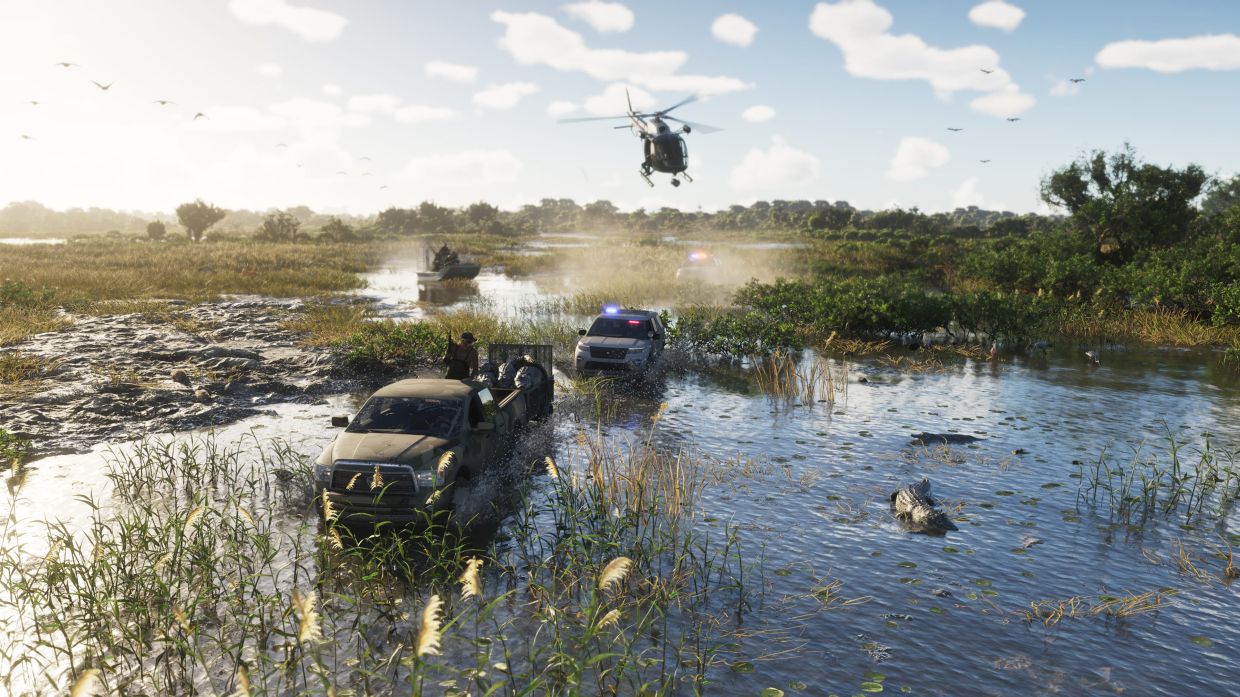
The much-anticipated preview of Grand Theft Auto VI arrived on Netflix in late August, offering audiences an official first glimpse of the next installment in Rockstar Games' flagship franchise. The promotional material introduces players to the game's dual protagonists, Jason and Lucia, who embark together on a dramatic escape from a drug enforcement operation, with Jason clutching a red duffel bag as the two navigate their perilous circumstances. This pairing has been positioned by Rockstar as a modern reimagining of the legendary Bonnie and Clyde narrative, drawing parallels to the early twentieth-century American criminals whose exploits captivated public imagination before their violent deaths at the hands of law enforcement.
The preview itself delivers the hallmark elements fans expect from the Grand Theft Auto series, sweeping viewers through scenes of high-speed vehicle pursuits, nightclub environments, clandestine rooftop negotiations, and intense gunfire exchanges. Interface elements visible throughout the footage suggest that players will possess the ability to direct their characters to physically express affection through hand-holding, a seemingly minor detail that underscores Rockstar's intention to deepen the emotional dimension of character relationships within the game world. The release strategy leveraged Netflix's massive global subscriber base, though the streaming platform experienced notable service disruptions when the preview dropped on August 27, with users across multiple continents reporting temporary outages coinciding with the footage's premiere.
The official unveiling came months after the entertainment world was roiled by significant security breaches. Beginning in mid-August, unauthorized gameplay clips started circulating across internet platforms, representing a breach that Rockstar described in measured but evident frustration as "heartbreaking." The publisher acknowledged the profound disappointment inherent in having a product, painstakingly developed over years and held closely during production, exposed to public scrutiny before the carefully orchestrated reveal they had envisioned. This premature leak fundamentally altered the controlled narrative around the game's announcement and created a peculiar dynamic where millions had already witnessed substantial portions of the game before receiving official confirmation of its content.
Rockstar's response to the unauthorized disclosure demonstrated the seriousness with which the company pursued accountability. In mid-August, the publisher filed legal requests for court intervention, which federal judges in New York approved within days. These subpoena orders compelled technology giants Microsoft and Discord to surrender user data and communications records, enabling investigators to trace the origin point of the leaked materials. The legal action reflected both the commercial value at stake and the company's determination to identify the perpetrators responsible for what it considered a significant breach of intellectual property protection.
The individual or group operating under the online pseudonym Cyberleek claimed responsibility for the leaks, framing their actions as a form of industrial activism aimed at exposing questionable practices within the video game industry. This rationalization, though controversial, highlights ongoing tensions between corporate secrecy and demands for greater transparency regarding business operations within entertainment sectors. The motivation attributed to Cyberleek suggests a deliberate attempt to puncture what the leaker perceived as excessive control over information flow, even if this assessment remains disputed by industry observers who view such actions as simple theft of proprietary materials.
The timing and nature of the leaks cannot be separated from broader industry controversies surrounding Grand Theft Auto VI's commercial approach. Earlier in the year, Rockstar's parent company Take-Two Interactive sparked considerable backlash among gaming communities by announcing a decision to forgo physical distribution entirely, making the title exclusively available through digital channels. This shift reflects wider industry trends but generated resistance from consumers who value ownership of tangible media and those in regions where digital infrastructure remains inconsistent. Additionally, Take-Two's tiered pricing strategy, offering premium versions laden with supplementary content at substantially elevated price points, drew criticism from consumer advocates who questioned whether such practices represented fair value or exploitative monetization of anticipation.
The commercial dimensions of Grand Theft Auto VI extend far beyond typical video game markets. In a remarkable development that exemplifies the cultural penetration of the franchise, a unit of the United States Army deployed the game as an enlistment incentive, offering eligible soldiers an unprecedented four-day vacation block in exchange for commitments to extend their military service by a minimum of two years. According to military news sources, this unconventional recruitment strategy achieved modest initial success, with approximately twenty of the one hundred thirty soldiers deemed eligible for the offer accepting the terms. This arrangement, while creative, raises intriguing questions about how cultural products penetrate institutional hierarchies and whether leisure activities can effectively influence major life decisions among young adults.
For Southeast Asian audiences, particularly Malaysian gamers, the release of Grand Theft Auto VI carries specific implications regarding digital access and regional pricing structures. The absence of physical media options may create barriers for consumers in areas where digital infrastructure lags or where purchasing digital goods involves heightened transaction risks or costs. Additionally, the premium pricing tiers warrant scrutiny regarding their availability and local currency adaptation across regional markets. Historical precedent suggests that Rockstar games have enjoyed substantial popularity throughout Malaysia and neighboring countries, making franchise developments newsworthy within regional technology and entertainment circles.
The journey from leaked footage to official Netflix premiere encapsulates broader tensions within contemporary entertainment industries regarding information control, intellectual property protection, and the ever-expanding role of digital distribution platforms. Rockstar's decision to partner with Netflix rather than relying solely on traditional gaming channels or social media reflects the recognition that video games have transcended niche markets to become mainstream entertainment properties commanding attention from streaming giants. The preview format itself represents a calculated attempt to regain narrative control following months of leaked material that had already saturated gaming communities with substantial gameplay footage. Looking ahead, the company must navigate the challenge of maintaining consumer excitement while addressing legitimate concerns about accessibility, pricing equity, and fair value propositions that have animated discussions surrounding the title's commercial framework.

