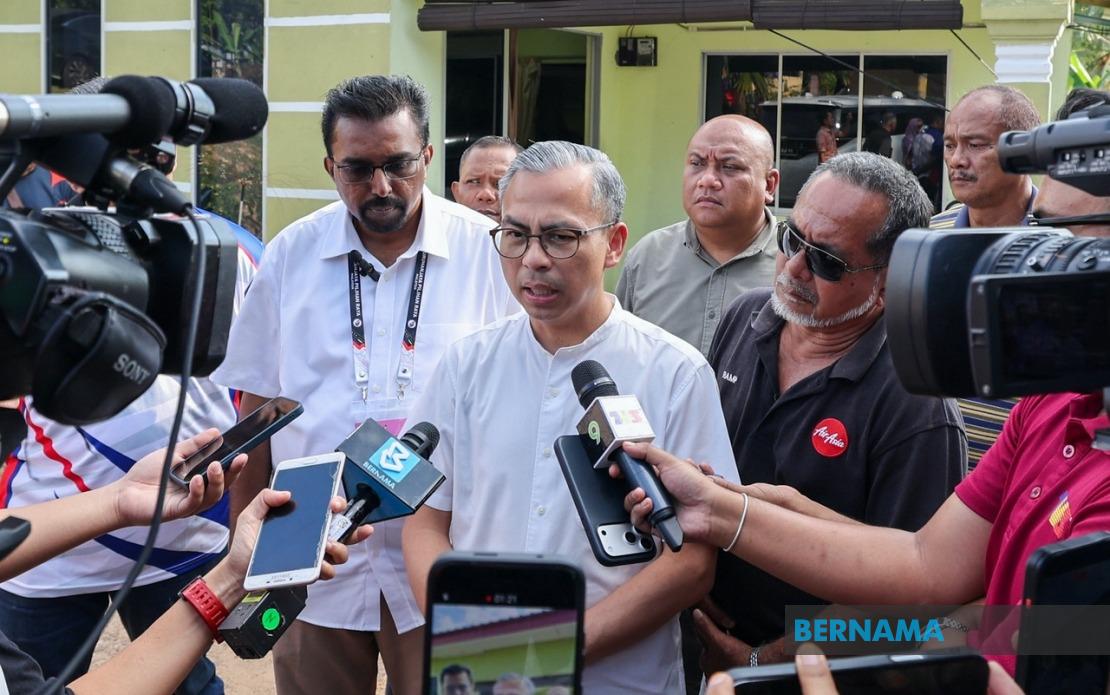
The government is preparing to make public the findings of the Royal Commission of Inquiry into Tabung Haji, a move that senior officials say reflects their commitment to transparency in handling the pilgrimage fund's past governance challenges. Communications Minister Datuk Seri Fahmi Fadzil emphasised during a campaign event in Jempol that releasing the comprehensive report would serve the interests of the institution's depositors, regular contributors, and ordinary Malaysians seeking clarity on how the fund was managed.
Fahmi's intervention comes as Prime Minister Datuk Seri Anwar Ibrahim has signalled the government's readiness to declassify the RCI's final findings on the controversial sale of Tabung Haji's strategic assets. The Prime Minister indicated he would consult with Chief Secretary to the Government Tan Sri Shamsul Azri Abu Bakar regarding the publication timeline, with expectations that the document would reach public hands no later than the following Wednesday after his statement.
The Tabung Haji pilgrimage fund has faced intense scrutiny in recent years following concerns about the disposal of valuable real estate holdings and questions surrounding investment decisions that critics contend eroded the institution's financial resilience. The RCI was tasked with investigating these allegations comprehensively, and its conclusions carry significant implications for how Malaysians view governance of major state-linked entities entrusted with their savings.
By championing public disclosure, Fahmi framed the decision as fundamentally rooted in democratic principles rather than mere administrative procedure. His remarks during the "Ziarah Kasih MADANI" programme suggested the current leadership views transparency as integral to rebuilding public confidence in institutions that have faced reputational challenges. This positioning reflects broader messaging about the government's commitment to accountability after years of governance concerns that plagued major funds and agencies.
The minister's confidence in the fund's present standing deserves scrutiny. He asserted that Tabung Haji now operates from a significantly stronger position under its existing management structure than it previously experienced. This claim implicitly suggests that leadership changes and operational reforms implemented since the controversies emerged have begun addressing the systemic issues the RCI presumably examined. For depositors who have watched their savings navigate uncertainty, such assurances carry weight only if supported by concrete operational improvements.
The decision to release the RCI report represents a departure from historical patterns where government inquiries have sometimes remained classified or heavily redacted. Publishing the complete findings could establish precedent for greater transparency around investigations into other major national institutions. Malaysian observers of governance reform will watch closely to assess whether the released report addresses root causes or focuses narrowly on identifying individual culprits.
Tabung Haji serves approximately 10 million Malaysian Muslims, making it one of the nation's largest savings vehicles for a culturally significant purpose. The fund's stability directly affects millions of families planning their hajj pilgrimage, their most substantial religious obligation. Any mismanagement or poor stewardship therefore carries implications beyond financial metrics—it touches matters of faith and cultural heritage that resonate across Malaysian society.
The RCI's scope encompassed questions about asset sales that some analysts contend were executed at valuations below fair market value, potentially representing substantial losses to the fund. The inquiry likely examined decision-making processes, approval chains, and whether appropriate due diligence accompanied major transactions. Public release of these findings would allow independent analysts, journalists, and concerned citizens to evaluate whether investigations were thorough and whether recommendations address underlying governance weaknesses.
For the investment and business community, the report's contents may influence perceptions of how government manages sovereign wealth and major funds. If the RCI findings reveal systemic governance gaps, this could prompt broader reviews of oversight mechanisms across comparable institutions. Conversely, if the inquiry concludes that recent leadership has substantially corrected problematic practices, this narrative could help restore investor and public confidence.
The timeline announced by Anwar—publication within days rather than weeks—suggests the government views rapid disclosure as strategically important. Delayed release could invite speculation and criticism that sensitive findings were being carefully managed before public distribution. By moving quickly, officials signal confidence in the report's contents and their ability to manage any controversy surrounding its conclusions.
For Southeast Asian observers, Malaysia's approach to this high-profile inquiry reflects broader regional trends toward balancing transparency demands with institutional stability concerns. Countries across ASEAN face similar pressures to demonstrate governance improvements while maintaining confidence in their financial systems and major institutions serving large populations.
The government's handling of the Tabung Haji RCI report will likely influence public expectations regarding transparency in future investigations of state institutions. If officials follow through with genuine, unredacted publication and subsequently implement recommendations substantively, this establishes a positive precedent. Conversely, if the released report proves incomplete or subsequent reform efforts appear symbolic rather than substantive, public cynicism about government accountability will deepen.

