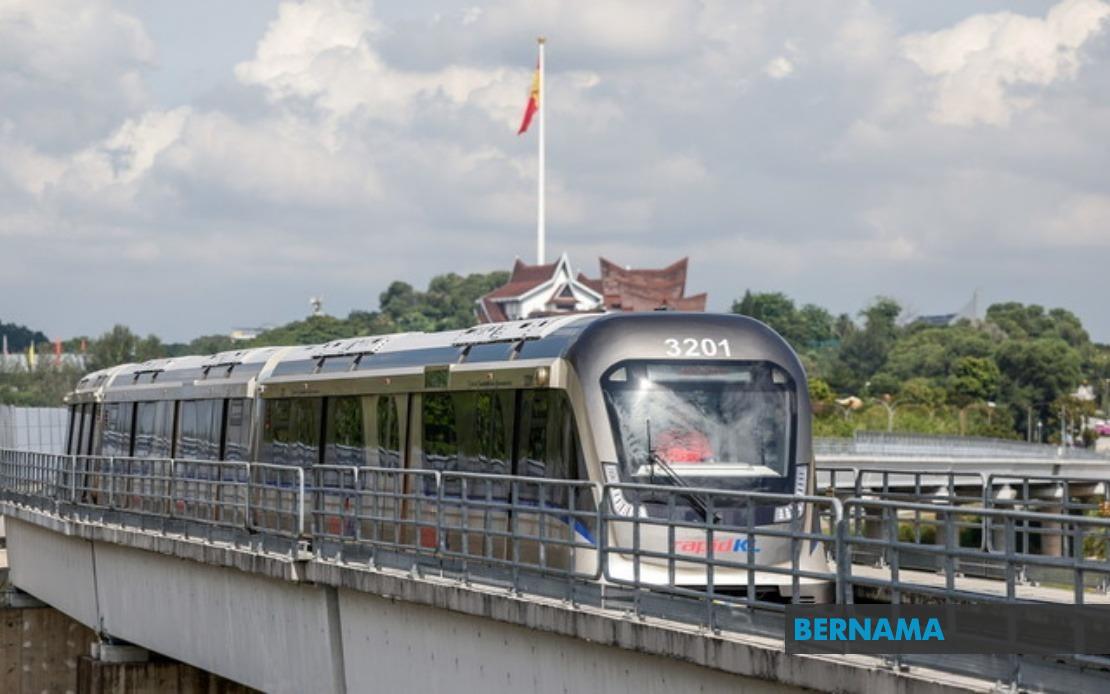
Transport Minister Anthony Loke has announced that the MADANI government intends to meet with Sultan Sharafuddin Idris Shah to provide detailed clarification on the troubled LRT3 Shah Alam Line project. The decision follows the Sultan's public expression of concern about persistent delays and escalating costs affecting the rapid transit initiative, which carries significant importance for residents across the Selangor corridor. Loke indicated that the government takes the Ruler's observations seriously and views the proposed audience as an opportunity to address misunderstandings and outline remedial measures being implemented.
The Sultan's intervention reflects mounting frustration about the project's troubled history spanning several years. When the federal government changed in 2018, implementation of the LRT3 scheme stalled entirely for eighteen months, representing a critical loss of momentum. This suspension was subsequently compounded by a nineteen-month delay attributable to COVID-19 pandemic disruptions, pushing the timeline further into 2021. These extended interruptions necessitated significant scope reductions that fundamentally altered the project's original conception, raising questions about whether the current iteration can adequately serve the anticipated ridership demand across the Shah Alam metropolitan area.
The scope modifications implemented during these delays proved substantial and contentious. Project planners reduced the footprint of each station, a decision that may constrain passenger flow and boarding capacity during peak travel periods. Train composition was similarly affected, with the number of carriages per set reduced from original specifications, potentially limiting the system's carrying capacity. Most significantly, five stations planned along the original alignment were entirely cancelled, meaning certain residential areas and commercial zones will lack direct access to the rail network. These compromises, while perhaps necessary given financial constraints, represent a departure from the comprehensive transportation solution originally envisioned.
Sultan Sharafuddin's remarks emphasised a crucial philosophical point regarding infrastructure development in Malaysia. He stressed that the LRT3 project should not be viewed through the lens of national prestige or governmental achievement, but rather evaluated strictly on its merits as a utility serving the genuine needs of ordinary citizens. This perspective carries particular weight in Selangor, where rapid urbanisation and population growth have created genuine transportation challenges that public infrastructure must address. The Sultan's intervention effectively repositioned the discussion from political success metrics toward practical outcomes affecting daily commuter experiences and urban livability.
Loke's willingness to seek the audience demonstrates sensitivity to the constitutional position of state rulers in Malaysia's federal system. Though transport falls within federal jurisdiction, the Sultan's concerns command respect and influence, particularly regarding major infrastructure affecting Selangor residents. The government's deference also reflects broader political considerations, as managing stakeholder relationships with state institutions remains important for overall governance credibility. The proposed meeting will likely involve detailed technical briefings on project financing, construction scheduling, and expected completion timelines that can substantiate government claims about competent project management.
Beyond the LRT3 discussion, Loke addressed another administrative matter affecting voter participation in the upcoming 16th Johor State Election scheduled for July 11. Recognising that many registered voters residing outside Johor require transportation to return home for voting, the Transport Ministry coordinated with Keretapi Tanah Melayu Berhad (KTMB) to expand Electric Train Service (ETS) frequency on the Kuala Lumpur to Johor Bahru corridor. This initiative addresses a practical impediment to electoral participation that has historically reduced turnout among outstation voters, particularly those working or studying in the Klang Valley region.
The enhanced ETS frequency arrangement extends benefits beyond direct Johor Bahru access. Voters can now conveniently board trains to intermediate stations including Segamat and Labis, reducing travel time and transportation costs for constituents in Johor's interior regions. The initiative also facilitates participation from northern Malaysian voters who have relocated to urban areas, enabling them to discharge their civic obligations without excessive inconvenience. By removing practical barriers to voting, the government acknowledges that electoral participation depends not merely on voter willingness but on accessible logistics and reasonable accommodation of geographic constraints.
The 16th Johor State Election represents a significant political contest with 172 candidates competing across 56 state seats, making it one of Malaysia's larger sub-national electoral exercises. The election will occur over two phases, with early voting scheduled for July 7 and general polling on July 11. This timeframe creates particular urgency for outstation voters to arrange travel during a relatively compressed window, making transportation enhancements especially valuable for maximising participation rates among eligible voters located outside the state.
The timing of these announcements reflects the government's multifaceted engagement strategy ahead of the election. While the LRT3 clarification addresses concerns within the Selangor electorate about infrastructure competence and fiscal responsibility, the ETS expansion demonstrates proactive efforts to facilitate Johor voters' participation. Together, these initiatives communicate a narrative of responsive governance attentive to regional concerns and practical impediments affecting citizens. For Malaysian observers, these moves illustrate the continuing balance required between federal administrative authority and respect for state-level political sensitivities, a dynamic that shapes policy implementation across Malaysia's federal structure.

