Malaysia's government has committed to establishing at least 1,000 MADANI Recreational Parks across the country by 2030, representing a substantial push to democratise access to quality outdoor recreational spaces for ordinary Malaysians. This initiative reflects a broader policy direction aimed at ensuring that residents in urban and suburban communities benefit from well-maintained, professionally designed public facilities within walking distance of their homes.
According to Mansor Mohamad, director-general of the National Landscape Department, the programme has already achieved notable progress. By 2025, 216 MADANI Recreational Parks have been completed nationwide, demonstrating that the ambitious target is within reach. To maintain momentum, another 100 parks are actively under construction during the current year, placing the initiative on track to expand the network significantly in the coming months and years.
The financial commitment underpinning this project is considerable. Each MADANI Recreational Park carries an average construction cost ranging from RM400,000 to RM500,000, depending on the size of the allocated site and the specific design elements incorporated. This pricing structure suggests a balanced approach between affordability for local governments and quality standards that ensure durability and attractiveness. For a target of 1,000 parks, the total investment could exceed RM400 million, a significant allocation reflecting the government's prioritisation of community infrastructure.
Strategic site selection remains central to the programme's success. Rather than concentrating parks in affluent areas or commercial zones, the government deliberately locates these facilities within residential communities and neighbourhoods. This approach ensures that families do not require lengthy travel to access recreational amenities, particularly benefiting lower-income households that may lack personal transportation or time for distant outings. The emphasis on accessibility signals a recognition that equity in public services matters for social cohesion and public health.
A defining feature of the MADANI parks is their commitment to universal design principles. This concept ensures that recreational spaces accommodate the full spectrum of Malaysia's diverse population, including young children, teenagers, young adults, working professionals, persons with disabilities, and senior citizens. Rather than designing parks for an imaginary average user, universal design anticipates the needs of wheelchairs, mobility aids, visual and hearing impairments, and varying levels of physical capacity. This inclusive approach reflects international best practice and signals Malaysia's commitment to accessibility standards that rival developed nations.
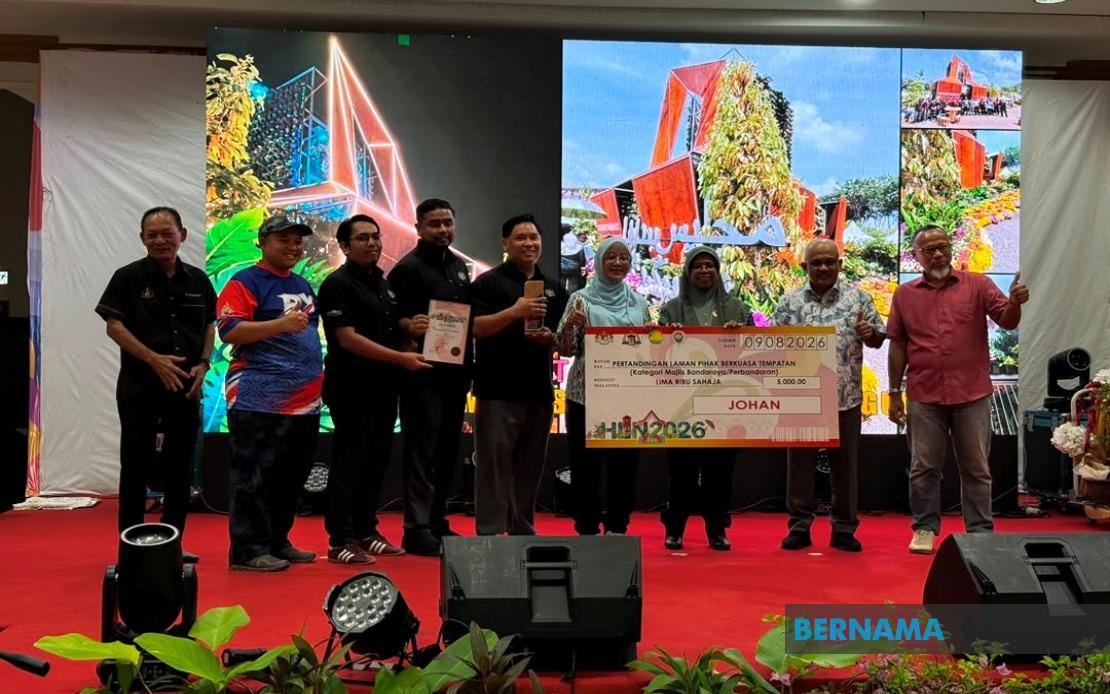
The National Landscape Day celebration held in Melaka earlier this month showcased the programme's public appeal and community engagement. Spanning four days, the event drew approximately 80,000 visitors, indicating substantial grassroots interest in landscaping initiatives and recreational infrastructure. The attendance figures suggest that Malaysians value opportunities to engage with outdoor spaces and that public enthusiasm supports continued government investment in this sector. Such events serve dual purposes—building community support for the initiative while educating the public about landscape design and maintenance.
Beyond recreation, the MADANI parks programme creates economic opportunities for the landscaping industry. The National Landscape Day celebration functioned as a marketplace where landscape entrepreneurs, designers, suppliers, and nurseries could showcase their products and services to potential clients. This aspect of the initiative demonstrates how government infrastructure spending can stimulate private sector activity and support businesses in the horticultural and landscaping sectors throughout Malaysia. Small and medium enterprises in these industries benefit from the visibility and customer connections that such events facilitate.
The programme's sustainability depends on institutional continuity and forward planning. Mansor noted that preparations for next year's National Landscape Day celebration are set to commence immediately following the current event's conclusion. This approach ensures that momentum is maintained without gaps that might allow interest to wane. Simultaneously, the department will solicit feedback from various stakeholders—residents, local authorities, landscape professionals, and community organisations—to refine the programme and address challenges that emerge as the network expands.
For Malaysian states and municipalities, the MADANI parks initiative addresses a common challenge: the limited availability of quality recreational spaces in residential areas. Urban sprawl, rising land costs, and competing infrastructure demands have historically constrained municipal budgets for parks and green spaces. By establishing national standards, design templates, and central funding mechanisms, the MADANI programme reduces the financial and technical barriers that local governments face when planning recreational infrastructure. This support from federal authorities enables smaller municipalities and newer suburban communities to access professional-quality parks at affordable cost.
The broader context of Malaysia's development priorities positions recreational parks as complementary to public health objectives. Rising rates of lifestyle diseases, mental health concerns, and sedentary behaviour among Malaysians have prompted government agencies to prioritise initiatives that encourage physical activity and outdoor engagement. MADANI parks, designed to be safe, welcoming, and accessible, address these health promotion goals while simultaneously strengthening community bonds and neighbourhood identity. Residents who encounter one another regularly in shared recreational spaces develop stronger social connections and community cohesion.
As the programme matures and the 2030 target approaches, questions of long-term maintenance and quality assurance will become increasingly important. The government will need to establish clear protocols for park upkeep, security, facility maintenance, and community involvement in stewardship. Success in reaching 1,000 parks will mean little if facilities deteriorate due to neglect or underinvestment in maintenance. Building community ownership and establishing partnerships with local residents' associations and volunteer groups will therefore be critical for ensuring that MADANI parks continue to serve their intended purpose across the decades.

