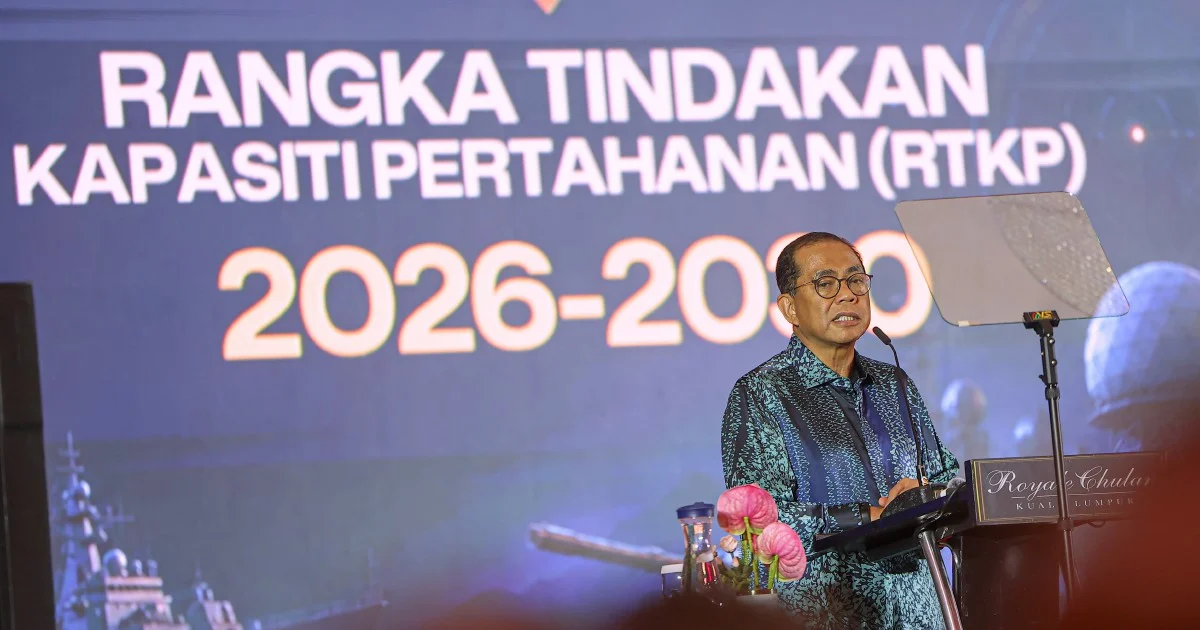
Malaysia's Defence Ministry has indicated it stands ready to work toward resolving the contentious matter of Norway's cancellation of a missile supply arrangement tied to the Littoral Combat Ship (LCS) programme, according to Defence Minister Datuk Seri Mohamed Khaled Nordin. The withdrawal of Norwegian support for the defence procurement initiative represents a significant diplomatic and defence-sector complication that the government is now actively addressing through official channels.
The LCS project constitutes one of Malaysia's most ambitious naval modernisation efforts in recent years, designed to bolster the country's maritime defence capabilities across its expansive territorial waters. The project encompasses the construction and acquisition of multiple advanced combat vessels intended to strengthen the Royal Malaysian Navy's operational reach and technological sophistication. The inclusion of Norwegian-supplied missile systems in the original specifications reflected Malaysia's broader defence procurement strategy of sourcing advanced weaponry from trusted international partners with established track records in naval defence systems.
Norway's decision to withdraw from the missile supply arrangement introduces substantial complications to the broader LCS procurement timeline and budget planning. Such cancellations typically trigger cascading effects throughout complex defence projects, necessitating alternative sourcing arrangements, redesign considerations, and potential cost reallocations. The reversal of a major defence contract also raises questions about contractual frameworks, penalty clauses, and the financial implications for Malaysian budget allocations to the naval modernisation initiative.
The Norwegian government's rationale for the cancellation warrants examination within the context of international defence trade dynamics. Nordic nations, including Norway, frequently align their defence export policies with strict adherence to human rights standards and geopolitical alignment with Western alliances. Such restrictions occasionally create friction with defence procurement plans of non-aligned or developing nations pursuing independent foreign policy positions. Understanding the underlying diplomatic or policy drivers behind Norway's decision remains essential for charting an effective resolution pathway.
For Malaysia, the need to secure alternative missile systems suppliers introduces both challenges and opportunities. The defence procurement landscape offers multiple qualified vendors across allied nations and neutral states, each bringing distinct advantages in terms of technology sophistication, pricing, delivery timelines, and compatibility with existing naval platforms. The Ministry's acknowledgment of readiness to resolve the matter suggests active engagement with potential alternate partners and technical review processes to identify suitable replacements.
The timing of this procurement adjustment coincides with broader regional security considerations in Southeast Asia. Rising maritime tensions, expanding naval capabilities among regional powers, and the critical importance of protecting vital sea lanes have elevated the urgency of Malaysia's naval modernisation programme. Delays or complications in the LCS project implementation directly affect the nation's capacity to maintain effective maritime surveillance and coastal defence operations across the South China Sea and other contested waters.
Financial ramifications of the Norwegian withdrawal extend beyond simple cost replacement calculations. Budget reallocation within defence spending, potential contract penalties or dispute settlements with Norwegian entities, and the expense of integrating alternative missile systems into vessels already under construction all factor into the overall economic impact. The Defence Ministry must balance the immediate need for operational capability with prudent fiscal management and transparent public accounting of defence expenditures.
Diplomatically, the situation underscores Malaysia's position as a developing nation occasionally caught between divergent international interests and standards. While Norway maintains legitimate policy autonomy regarding defence exports, Malaysia equally possesses the right to pursue defence modernisation according to its strategic requirements. Constructive engagement between the two nations to find workable compromises could strengthen bilateral relations while advancing mutual interests in maritime security and regional stability.
The government's stated preparedness to resolve the matter suggests confidence in identifying viable solutions through either direct negotiation with Norway or expedited engagement with alternative suppliers. The Defence Ministry appears committed to preventing the dispute from derailing the broader LCS implementation timeline, recognising the operational imperatives driving the naval modernisation programme. This proactive stance demonstrates awareness of the strategic criticality of maintaining naval strength amidst evolving regional security dynamics.
Moving forward, the resolution of this procurement complication will likely serve as an instructive case study in managing defence supply chain disruptions and diplomatic complications in military acquisitions. The outcome may also influence how Malaysia structures future defence contracts to include provisions addressing potential political or policy-driven supplier reversals, ensuring greater resilience in critical naval modernisation initiatives. The Defence Ministry's engagement with this challenge reflects broader efforts to strengthen Malaysia's maritime defence posture while navigating complex international diplomatic and commercial relationships.

