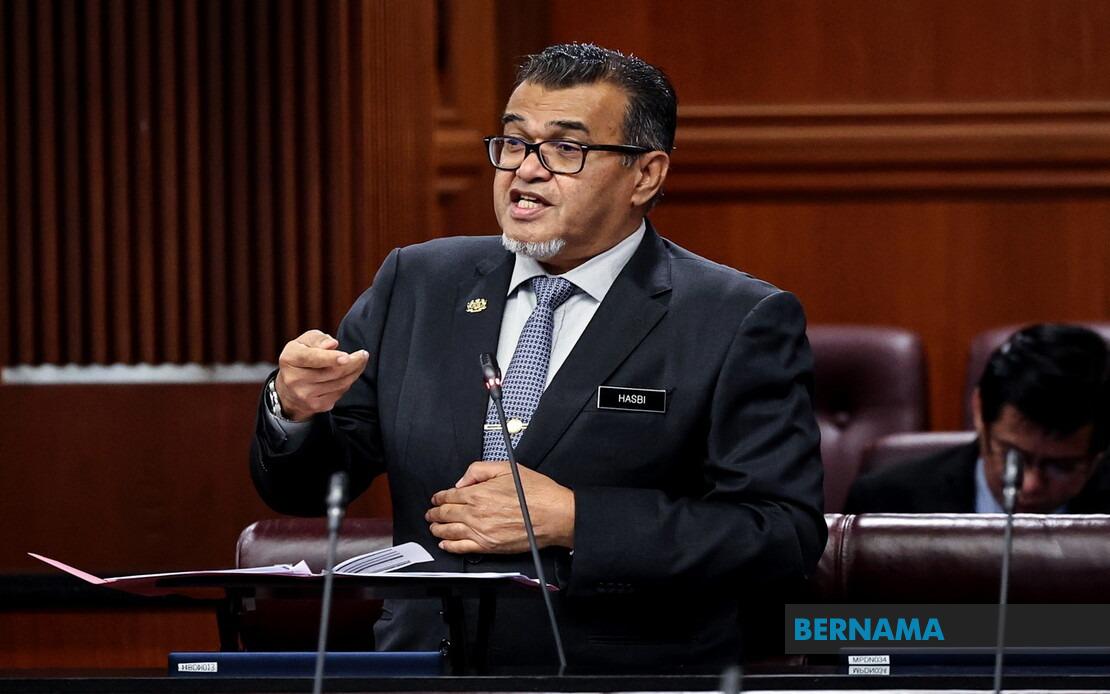
The Malaysian government is moving forward with legislative reforms designed to crack down on escalating criminal activity targeting railway infrastructure, with Deputy Transport Minister Datuk Hasbi Habibollah confirming that amended laws will be presented to Parliament before year-end. During questioning in the Dewan Rakyat, Hasbi articulated the pressing need for legal overhaul, characterising existing statutes as inadequate to deter offenders who have long preyed on the nation's rail network with virtual impunity.
The scale of the problem demands urgent intervention. Over the past three years, authorities have documented 393 separate cable theft incidents that saw more than 19 kilometres of cable stripped from railway installations, generating losses totalling RM16.3 million. These figures underscore not merely an economic burden but a systemic vulnerability in how Malaysia's critical transport infrastructure is protected against organised criminal syndicates. Hasbi's acknowledgement that trespassing penalties currently range between RM500 and RM1,000 reveals how disconnected existing statutes have become from the gravity of crimes targeting essential public assets.
The proposed amendments will introduce substantially heavier punishments specifically targeting cable theft offenders, particularly those cases involving security-sensitive materials. This shift reflects recognition that generic theft provisions fail to capture the distinctive threat posed by organised operations that dismantle railway infrastructure for sale to scrap metal dealers. The legislative recalibration represents a fundamental reprioritisation of how Malaysia treats crimes against transport assets, treating them not as simple property offences but as threats to public safety and national infrastructure resilience.
Beyond legislative measures, the government is pursuing a multi-pronged enforcement strategy that addresses both the supply and demand sides of the criminal marketplace. Collaborative efforts with the Royal Malaysian Police are being intensified, particularly through engagement with scrap metal operators and dealers who form the crucial nexus between theft and profit. By targeting the commercial chain that converts stolen cable into saleable goods, authorities aim to eliminate financial incentives that drive criminal activity. This supply-chain approach recognises that harsher penalties alone prove insufficient without simultaneously disrupting the economic logic that makes cable theft attractive to organised groups.
Technological solutions are also being deployed to strengthen monitoring capabilities across the rail network. The Railway Assets Corporation has invested RM14 million in installing 1,146 closed-circuit television units equipped with artificial intelligence functionality, strategically positioned in high-risk locations where theft incidents concentrate. This represents a substantial capital commitment to real-time surveillance, enabling faster detection of criminal activity and provision of evidence for prosecution. The shift toward AI-enabled systems acknowledges that conventional fixed cameras require constant human monitoring, whereas intelligent systems can automatically flag suspicious behaviour and alert nearby enforcement personnel.
Aeronautical surveillance technology has been integrated into the protective architecture as well, with drones now deployed to monitor remote rail sections that prove difficult to access through traditional patrol methods. This innovation extends the reach of security personnel beyond geographical constraints that previously created blind spots criminals exploited. Railway Auxiliary Police have also been equipped with 20 new scrambler motorcycles, purpose-built for rapid response across varied terrain and enabling faster intervention when suspicious activity is detected. These mobility enhancements directly address response-time limitations that previously allowed offenders to complete operations and evacuate before authorities could arrive.
The comprehensive nature of these interventions suggests policymakers understand that railway cable theft represents not isolated opportunistic crime but structured operations requiring coordinated prevention strategies. Organised syndicates operating across multiple sites employ lookouts, equipment specialised for rapid cable removal and established networks for quick disposal. Responding effectively demands enforcement capabilities that match this operational sophistication, necessitating coordination between police, railway security agencies and scrap metal regulation authorities.
For Malaysian commuters and freight operators, these measures carry direct implications for service reliability and safety. Cable theft disrupts signalling systems, power supply and communications infrastructure upon which modern railways depend, creating hazards for both passengers and staff. The financial losses accumulating annually divert resources from system maintenance and modernisation, imposing longer-term costs on transport users. Beyond economic considerations, successful interdiction of organised theft networks strengthens the operational foundation upon which Malaysia's aspirations for integrated regional transport connectivity depend.
The legislative amendments gaining parliamentary approval this year will set precedent for how Southeast Asian nations approach infrastructure protection in an era when organised criminal syndicates operate across borders and coordinate activities using modern communications technology. Malaysia's experience with railway cable theft parallels challenges confronting other regional transport systems, making legislative frameworks developed here potentially relevant to neighbouring countries grappling with similar vulnerabilities. The comprehensive enforcement strategy combining law, technology and organisational coordination offers a model for integrated infrastructure protection that extends beyond railways to other critical public assets.

