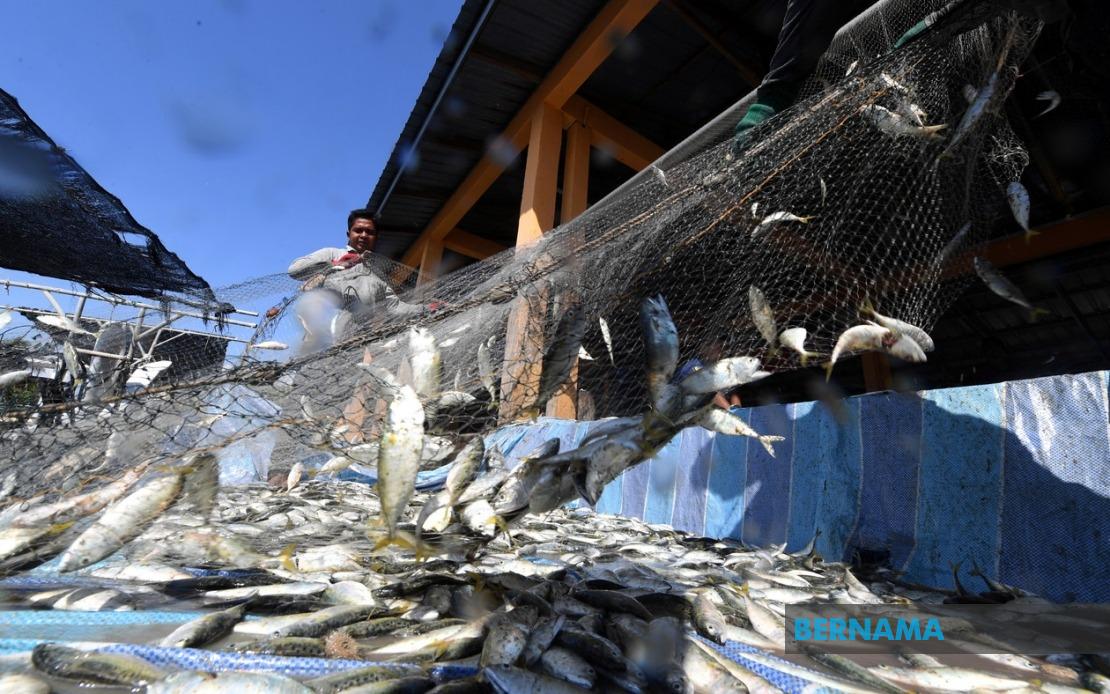
The Malaysian government has committed RM10 million in 2024 to roll out the Special Fishermen Housing Project (PKPN) across the country, reflecting its stated priority to uplift living standards within the fishing sector. This initiative represents a significant investment in rural infrastructure, targeting one of Malaysia's most vulnerable occupational groups whose incomes remain subject to seasonal fluctuations and unpredictable market conditions. The nationwide expansion underscores the authorities' recognition that adequate shelter remains a foundational requirement for socio-economic stability, particularly among communities that have historically faced infrastructure deficits.
The distribution mechanism for these funds prioritises equity based on demographic need. The Fisheries Development Authority of Malaysia (LKIM) has structured allocations to individual states according to their respective populations of registered fishermen, ensuring that resources flow to regions with the greatest concentrations of eligible beneficiaries. This approach acknowledges that maritime provinces like Perlis, Kedah, Terengganu, and Sabah maintain substantially larger fishing populations than inland states, and therefore warrant proportionally higher investment to achieve comparable outcomes. By tying budget allocation to fisherman density rather than geographic size or population generally, the policy creates targeted impact for its specific demographic constituency.
LKIM director-general Datuk Dr Abdul Salim Tajudin outlined the welfare rationale at a handover ceremony in Kuala Perlis on July 20. He characterised the PKPN as part of a coordinated effort to strengthen economic resilience and quality of life within the fishing community through provision of durable, safe housing stock. The statement reflects a policy orientation that views adequate accommodation as instrumental to broader household stability, enabling families to redirect limited resources toward education, health, and economic advancement rather than toward emergency shelter repairs or unsafe living situations. For low-income fishermen operating with narrow profit margins, subsidised housing can materially alter household economics and intergenerational outcomes.
Progress toward completion timelines appears on schedule across most participating states, with projects anticipated to reach handover stage by August of the current year. This acceleration suggests either efficient project management or strategic advancement ahead of potential political cycles and budgetary reset periods. The compressed timeline creates accountability checkpoints and demonstrates measurable progress to stakeholders, though it also raises operational questions about quality assurance and community consultation when implementation moves rapidly through multiple project phases.
Perlis exemplifies the scheme's on-ground delivery mechanisms and financial calibration. The state completed five distinct housing interventions totalling RM228,000 in 2024 allocation. Two newly constructed dwellings in Kampung Tanah Timbul and Kampung Padang Besar Selatan each absorbed RM84,000 in development costs, reflecting contemporary rural construction expenses in Malaysia's peripheral regions where labour, materials transport, and compliance with safety standards create baseline costs. Three additional houses underwent refurbishment programs, each receiving RM20,000 in remediation funding, indicating a parallel strategy of rehabilitating existing structures rather than exclusively pursuing new construction. This mixed approach enables broader beneficiary coverage from available budgets while extending the lifespan of standing housing stock.
The handover ceremonies across Kuala Perlis communities—Kampung Tanah Timbul, Kuala Sanglang, and Kampung Padang Besar Selatan—provide tangible evidence of scheme implementation and establish public visibility for government commitment to fishermen's welfare. Such events serve dual functions: they operationally transfer assets to recipients while creating photographic and narrative evidence of state action for political and administrative purposes. For residents receiving newly habitable shelter, the transition from inadequate to acceptable housing represents transformative change in daily living conditions, particularly relevant in coastal areas where humidity, salt corrosion, and weather exposure rapidly degrade substandard structures.
The PKPN's targeting of low-income fishermen reflects acknowledgment of structural economic disadvantages within the sector. Unlike other agricultural workers, fishermen face volatile income streams dependent on catch availability, seasonal patterns, fuel costs, and commodity prices beyond their control. Housing insecurity compounds these vulnerabilities by consuming resources that might otherwise fund equipment upgrades, family welfare, or business investment. Government intervention through subsidised housing effectively injects capital into household economies, reducing vulnerability to income shocks and enabling fishermen families to maintain minimum living standards during lean periods.
The nationwide expansion of PKPN carries implications for Malaysia's rural development policy and fisheries sector modernisation. Investment in fishermen's housing signals state commitment to retaining and stabilising the fishing workforce at a time when younger generations increasingly migrate toward urban centres and service sector employment. By improving residential amenities, the government attempts to make fishing communities more attractive to potential successors and to reduce outmigration pressures that undermine long-term workforce sustainability. This demographic dimension intersects with broader maritime security and food security interests, as viable fishing populations remain strategically important for both economic and strategic reasons.
For Southeast Asia more broadly, Malaysia's targeted housing investment in fishing communities offers a development model potentially adaptable to other regional economies dependent on maritime livelihoods. Indonesia, Thailand, Vietnam, and the Philippines all maintain large fishing populations facing similar housing deficits and income volatility. The PKPN's combination of new construction and refurbishment, coupled with state-level differentiation of allocations, provides a replicable framework for other governments considering interventions to stabilise fishing sector welfare. Regional knowledge transfer about implementation efficacy and cost structures could facilitate comparable initiatives across the region.

