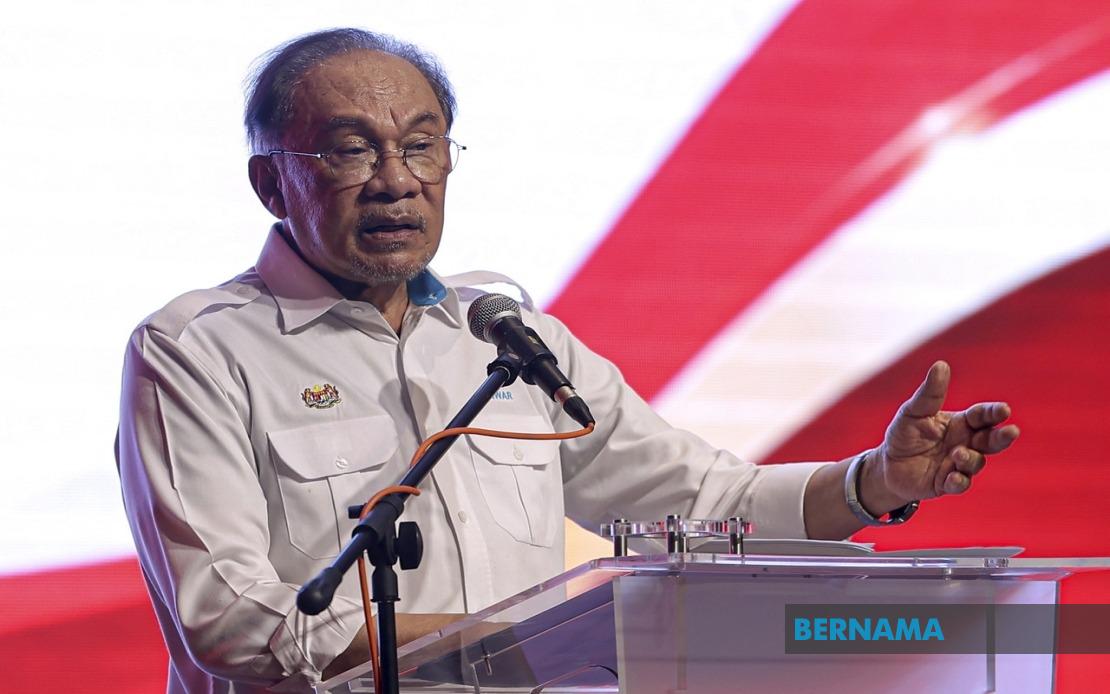
The Malaysian government is actively exploring the launch of subsidised MADANI tickets for the Formula One Gulf Air Bahrain Grand Prix, which will take place at the Sepang International Circuit from October 2 to 4, according to Prime Minister Datuk Seri Anwar Ibrahim. The initiative forms part of broader efforts to make the high-profile international sporting event more accessible to ordinary Malaysians, aligning with the government's Malaysia MADANI framework that prioritises citizen welfare and inclusive participation in major global occasions. Speaking at a gathering with village leaders in Negeri Sembilan, the Prime Minister acknowledged public demand for cheaper ticket options, indicating that affordability would be balanced with realistic seating expectations.
The MADANI ticketing proposal represents a pragmatic approach to inclusivity, with Anwar emphasising that reduced prices would necessarily correspond to less premium viewing positions. While acknowledging popular requests for affordable access, he managed expectations by clarifying that purchasers of discounted tickets would not occupy front-row or prime vantage points, but rather be seated further from the racing circuit. This tiered pricing strategy aims to democratise access to the F1 experience without compromising revenue from premium seating, thereby extending the event beyond the traditional wealthy demographic typically associated with international motorsport events.
F1 racing returns to Malaysia after an absence spanning nine years, representing a significant moment for the nation's sporting and economic calendar. The Sepang International Circuit previously hosted the Malaysian Grand Prix annually from 1999 until 2017, when escalating hosting costs and burdensome licensing fees forced the discontinuation of the race. The financial pressures that led to the earlier withdrawal have since been addressed through renewed government commitment and negotiation with F1 authorities, signalling Malaysia's determination to maintain its position within the international racing circuit despite competitive pressure from other nations seeking to stage the championship.
Anwar framed the F1 Grand Prix as strategically valuable beyond sporting prestige, emphasising the economic multiplier effects that accompany major global events. The arrival of international racing teams, support personnel, and tens of thousands of motorsport enthusiasts would generate substantial economic activity across multiple interconnected sectors. Hotels throughout the Klang Valley would experience near-total occupancy, airlines including Malaysia Airlines and AirAsia would benefit from increased passenger traffic, while tourism revenues would strengthen substantially. Local businesses, hospitality establishments, and service providers would collectively capture significant portions of visitor spending, creating momentum that extends well beyond the three-day racing calendar.
The selection of Malaysia as a F1 host nation reflects international recognition of specific national attributes, according to the Prime Minister's assessment. Among numerous competing nations vying to host prestigious Formula One events, Malaysia's credentials as a peaceful country with economic stability and established diplomatic relationships positioned it favourably. This competitive selection process underscores Malaysia's standing in global sporting diplomacy and the confidence that F1 organisers place in the nation's capacity to deliver a world-class event. The decision also signals to international investors and visitors that Malaysia possesses the infrastructure, security frameworks, and organisational competence required for managing complex international sporting occasions.
The Malaysia MADANI framework provides the philosophical foundation for the government's ticket accessibility initiative. Rather than treating major international events as exclusive experiences reserved for affluent segments of society, the concept emphasises that such occasions should generate distributed benefits across broader populations. This ideological commitment to inclusivity distinguishes the Malaysian approach from purely commercial event management models that prioritise maximum revenue extraction over accessibility. By deliberately introducing subsidised ticket categories, the government signals that international sporting events can simultaneously serve economic development objectives while advancing social equity goals.
The financial architecture supporting F1's return to Malaysia required negotiating terms that would prove sustainable compared to the arrangements that prompted withdrawal a decade earlier. Government officials have presumably secured more favourable licensing terms or cost-sharing arrangements with F1 authorities and circuit operators, creating conditions under which hosting becomes financially viable. The MADANI ticketing proposal emerges within this context of improved economic fundamentals, where the government possesses sufficient budgetary flexibility to subsidise public access without jeopardising overall event profitability. This represents a meaningful shift from the fiscally constrained environment that previously forced the difficult decision to discontinue Malaysia's Grand Prix participation.
Regional implications extend beyond Malaysia's borders, as the nation's commitment to hosting major international sporting events influences broader Southeast Asian positioning. Singapore's prestigious Grand Prix and other regional motorsport venues operate within a competitive environment where hosting capabilities serve as markers of national development and global competitiveness. Malaysia's return to the F1 calendar strengthens the region's overall credentials as a destination capable of delivering events of championship calibre, while also providing a counterpoint to perceptions of declining Malaysian competitive positioning in attracting international attention. The successful execution of the October event could establish momentum for future major sporting occasions and reinforce Malaysia's relevance within global sporting governance structures.
Public reception to the MADANI ticketing proposal appears broadly positive, though expectations require careful management to ensure that subsidised prices remain genuinely affordable rather than aspirational. The distinction between marketed accessibility and actual affordability represents a critical implementation challenge, as ticket pricing must balance genuine inclusivity against revenue requirements. Feedback from village leaders and community representatives attending the gathering will likely inform final ticketing structures, ensuring that proposed price points genuinely expand participation among middle and lower-income households rather than merely creating a theoretical discount category that remains financially inaccessible to target populations.
The October Grand Prix will provide measurable evidence regarding the economic impact projections articulated by government leadership. Tourism data, airline passenger statistics, hotel occupancy rates, and local business revenue figures will collectively demonstrate whether international sporting events of this magnitude deliver the economic spillover benefits emphasised by policymakers. Beyond immediate financial metrics, the event serves as a test case for whether Malaysia can successfully position itself as a nation capable of hosting world-class occasions while simultaneously advancing inclusive access objectives. The outcome will inform government approaches to future major international events and influence broader strategies for integrating economic development with social equity considerations.

