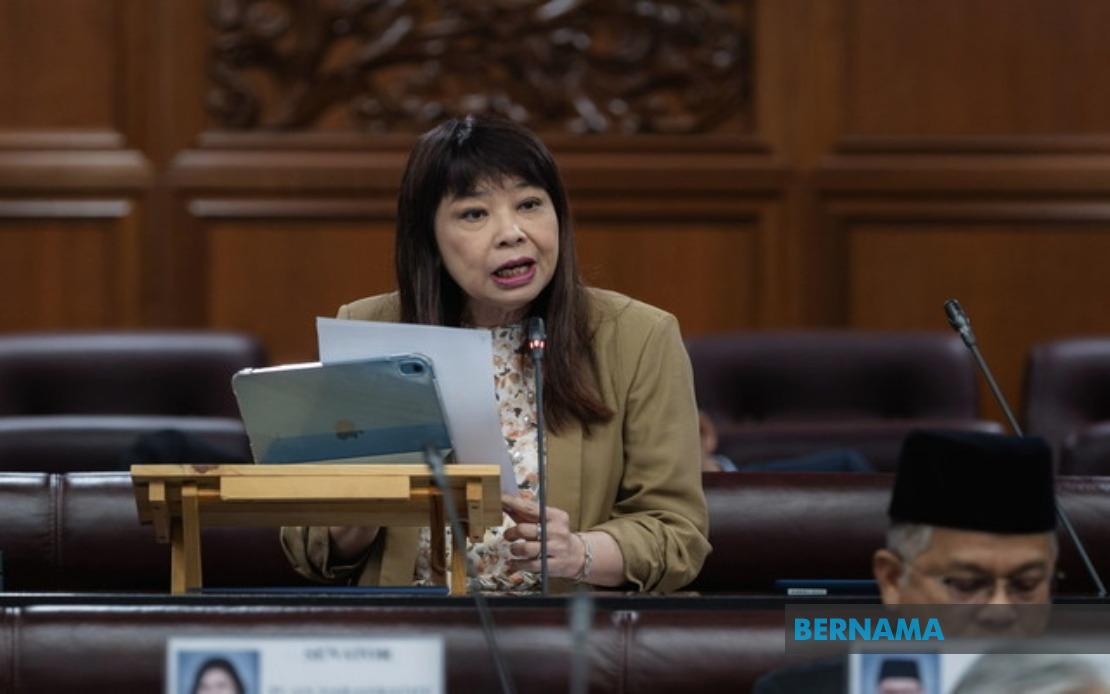
The Malaysian government has embarked on a significant initiative to establish a systematic mechanism for tracking domestic violence offenders, with Deputy Women, Family and Community Development Minister Lim Hui Ying confirming that multiple agencies are jointly studying the proposal during proceedings in the Dewan Negara. The proposed Domestic Violence Offenders Registry would represent a notable policy shift, introducing centralized monitoring of repeat abusers to disrupt patterns of violence and protect vulnerable victims from recurring harm.
The cross-agency approach underscores the complexity of addressing domestic violence as a systemic issue rather than isolated incidents. The Women, Family and Community Development Ministry (KPWKM), Royal Malaysia Police (PDRM), and the judiciary are collaborating to develop a workable framework that can effectively integrate criminal records and offender monitoring mechanisms. This coordination is essential, as previous efforts have been hampered by fragmented data collection and limited information-sharing between enforcement and welfare bodies, leaving gaps that repeat offenders have exploited.
Lim emphasized that the government currently lacks comprehensive data on repeat domestic violence offenders, a significant knowledge gap that has impeded earlier prevention efforts. The proposed registry would address this deficiency by creating a centralized database accessible to relevant authorities, enabling police to identify high-risk perpetrators during investigations and allowing courts to apply enhanced sentencing or protective measures for known repeaters. Such intelligence could transform reactive responses into proactive interventions, potentially interrupting cycles of abuse before escalation occurs.
The registry initiative follows sustained pressure from civil society and lawmakers to strengthen protections for domestic violence victims, particularly women and children. Senator Tiew Way Keng's supplementary question during parliamentary Question Time reflects broader legislative concern about the persistence of repeat offences despite existing legal frameworks. The Domestic Violence Act 1994 provides legal tools for protection orders, but without centralized offender tracking, enforcement remains inconsistent and victims often lack clear warning of dangerous individuals in their vicinity.
Parallel to the registry proposal, the government has committed substantial resources toward improving victim support infrastructure. KPWKM has allocated RM2.1 million for the current year to upgrade more than twenty government-operated shelters across the country, ensuring facilities meet contemporary safety and functionality standards. These shelters serve as critical sanctuaries for victims requiring immediate protection and temporary housing while pursuing legal remedies or rebuilding their lives independently.
The Social Welfare Department (JKM) currently oversees forty-three approved shelters nationwide as of July 2026, comprising thirty-nine government-managed facilities and four operated by non-governmental organizations. This network represents Malaysia's primary institutional response to domestic violence crises, though capacity constraints and infrastructure limitations have historically prevented adequate coverage in rural and remote areas. The upgrades signal recognition that shelter quality directly impacts victim outcomes, with functional, secure facilities enabling residents to access counseling, legal support, and livelihood assistance more effectively.
Beyond shelter provision, JKM has established a tiered legal protection system offering immediate relief through Emergency Protection Orders (EPOs) issuable within two hours for cases requiring urgent intervention. This rapid-response mechanism addresses the most dangerous phase of domestic violence escalation, when victims face imminent risk of serious harm. The agency also facilitates longer-term protections through Interim Protection Orders (IPOs) and Protection Orders (POs) issued by courts, creating graduated legal shields that adapt to victims' evolving circumstances and safety needs.
The comprehensive government approach reflects international best practices, where successful domestic violence reduction combines offender accountability, victim support, and prevention education. Malaysia's multi-ministry framework mirrors models adopted by developed democracies, though implementation success depends critically on resource allocation, training for frontline personnel, and genuine inter-agency cooperation rather than bureaucratic silos. The involvement of the judiciary ensures that protective mechanisms carry legal weight and that courts can access offender histories during sentencing deliberations.
For Malaysian readers, this policy development carries significant implications for personal safety and family security. The proposed registry could establish a precedent for transparent, data-driven governance in addressing violence, potentially influencing how authorities handle other forms of crime. Women's rights advocates view the initiative cautiously, recognizing its potential benefits while noting that registries alone cannot eliminate abuse without simultaneous cultural change, perpetrator rehabilitation programs, and robust victim support services.
The government's commitment to domestic violence prevention also affects regional perceptions of Malaysia's human rights framework. Southeast Asian nations increasingly face international scrutiny regarding violence against women and family protection legislation. Malaysia's investment in institutional mechanisms and inter-agency collaboration positions it as a regional participant in addressing gender-based violence, though effectiveness will be measured through incident reduction statistics and victim satisfaction rather than policy announcements alone.
Implementation of the proposed registry will require legislative amendments to formalize offender tracking protocols, establish privacy protections ensuring data security, and clarify which agencies access registry information under specified circumstances. These procedural questions remain under study, and civil society input regarding safeguards against potential misuse will likely shape the final registry design. The government's whole-of-society framing suggests openness to stakeholder consultation, though timelines for registry operationalization remain unspecified.

