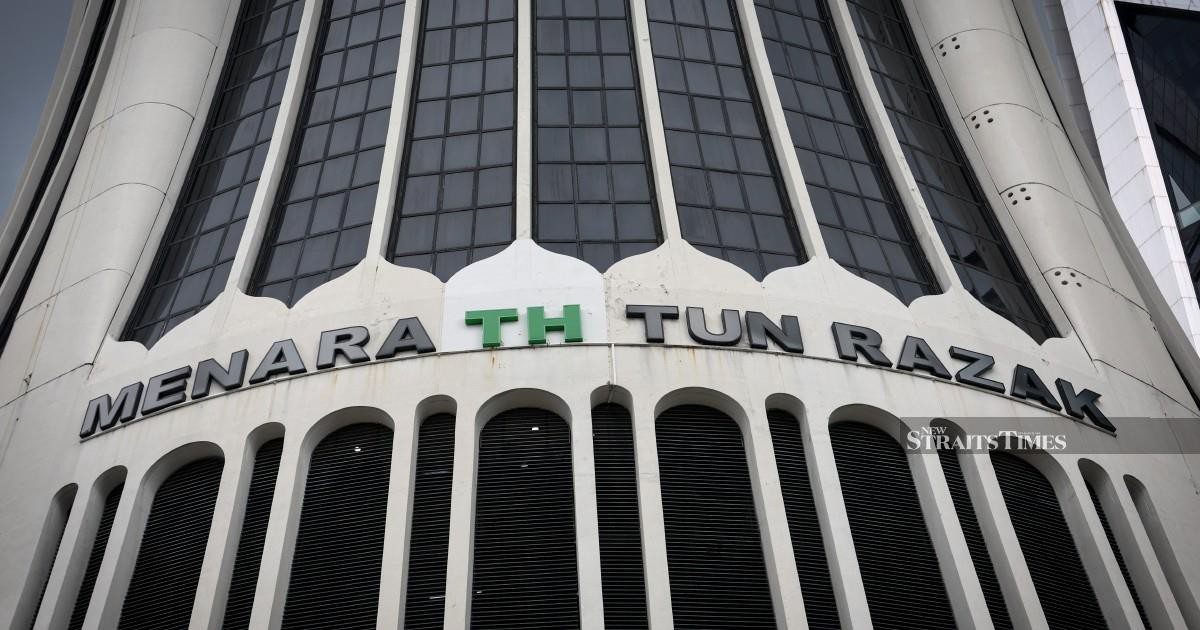
The Centre to Combat Corruption has intensified scrutiny of Malaysia's financial oversight mechanisms, demanding that the National Audit Department undergo a comprehensive review following the emergence of a substantial RM4.8 billion discrepancy in audited accounts related to Lembaga Tabung Haji. The widening gap between findings presented in the Royal Commission of Inquiry report on the Islamic pilgrimage fund and those contained in the department's separate assessment of TH's financial position has triggered concerns about the coherence and reliability of Malaysia's public sector audit framework.
This divergence represents far more than a mere accounting anomaly; it underscores potential systemic weaknesses in how Malaysia's primary audit institution verifies and validates financial statements submitted by government-linked entities. The National Audit Department, which carries constitutional responsibility for examining public accounts, faces questions about the rigour of its investigative procedures and the adequacy of its resource allocation in scrutinising large institutional structures. For Malaysian taxpayers and contributors to TH—which manages savings for over 11 million pilgrims—the discrepancy raises fundamental questions about who ultimately bears responsibility when disparities of this magnitude materialise undetected.
The Royal Commission of Inquiry into TH, established to investigate the fund's operations and financial management practices, evidently uncovered matters that contrasted materially with the audit department's earlier assessments. This raises uncomfortable questions about whether the audit body possessed sufficient independence or investigative capacity to challenge management narratives presented by TH leadership. In Malaysia's governance architecture, the National Audit Department theoretically operates as a guardian of public financial transparency, yet this episode suggests that institutional barriers—whether budgetary, administrative, or political—may have constrained its effectiveness.
The call for departmental review comes amid broader regional concerns about audit quality across Southeast Asia. Many nations in the region struggle with similar tensions between audit independence and institutional pressure, particularly when examining large government agencies or politically sensitive entities. Malaysia's experience provides a cautionary lesson for other developing economies about the importance of granting audit bodies both sufficient resources and genuine operational autonomy. Without these prerequisites, even technically competent auditors may find themselves constrained in their capacity to conduct thorough investigations.
Lembaga Tabung Haji itself has faced sustained criticism over the preceding years regarding investment decisions, governance practices, and financial stewardship. The pilgrimage fund, despite its religious and social significance, operates within Malaysia's broader financial ecosystem and must therefore comply with rigorous accounting standards. The emergence of the RM4.8 billion discrepancy suggests that somewhere within the institutional chain—whether in TH's financial reporting, the audit department's verification processes, or both—material gaps existed that should have triggered earlier investigation and public disclosure.
For Malaysian savers and pilgrims who have contributed to TH expecting prudent management of their funds, such discrepancies undermine confidence in institutional safeguards. The fund's contributors represent diverse demographic and socioeconomic backgrounds, many of whom depend on TH savings for financing their hajj journeys. When audit systems fail to provide clear, consistent financial visibility, it disadvantages ordinary Malaysians most, particularly those with limited financial literacy who cannot independently verify institutional claims.
The Centre to Combat Corruption's intervention reflects Malaysia's evolving anti-corruption ecosystem, where civil society organisations increasingly complement formal institutional oversight. This multi-layered approach proves necessary precisely because single institutions occasionally falter or face constraints that impede thorough investigation. However, civil society pressure alone cannot substitute for robust, well-resourced, genuinely independent formal audit institutions. Malaysia's long-term governance health depends on ensuring that the National Audit Department operates with sufficient autonomy and capability to fulfil its constitutional mandate.
Addressing this situation requires more than administrative shuffling; it demands genuine institutional reform. The National Audit Department requires examination of its internal processes, quality assurance mechanisms, and whether staff possessed adequate training and authority to challenge management assertions presented by TH. Additionally, Malaysia's audit framework would benefit from clearer protocols for managing situations where different investigative bodies—such as a royal commission and the audit department—uncover divergent findings. Establishing transparent reconciliation procedures would strengthen public confidence in financial oversight.
The broader Malaysian business and investment community watches this episode closely. International investors increasingly prioritise governance quality and audit reliability when assessing investment destinations. Episodes revealing inconsistencies in audit outcomes create perceptions of institutional fragility that ripple through market confidence metrics. For Malaysia's aspirations to maintain regional economic leadership and attract quality foreign capital, demonstrating credible institutional responses to audit discrepancies carries significant economic significance beyond the immediate TH situation.
Going forward, Malaysia's approach to this matter will signal its seriousness about governance reform. Whether the National Audit Department undergoes genuine, substantive review—potentially including structural changes, staffing adjustments, and procedural improvements—or merely receives superficial examination will reveal whether the country prioritises short-term political convenience over long-term institutional credibility. The RM4.8 billion discrepancy represents not merely a TH problem but a systemic audit governance challenge demanding transparent, comprehensive remediation.

