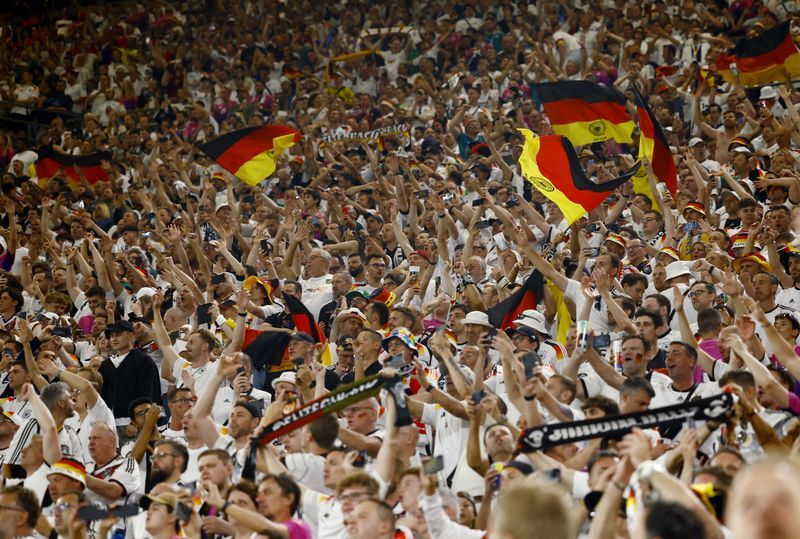
German law enforcement authorities conducted sweeping searches on Wednesday as part of a widening investigation into suspected irregularities surrounding ticket allocations and hospitality arrangements at the 2024 European Football Championship, according to reporting by Bild newspaper. The coordinated raids targeted multiple locations across Germany, notably including the headquarters of the Deutscher Fußball-Bund (DFB), the country's national football association responsible for organizing German participation in the tournament.
While prosecutors in Bochum and the North Rhine-Westphalia state criminal office confirmed in a joint statement that searches were being conducted at several sites across Germany, they deliberately omitted specific mention of the DFB in their official communications. This restraint contrasts sharply with Bild's more detailed reporting, which places the football association's offices at the centre of the investigation. The apparent discrepancy between official statements and media accounts has generated immediate questions about the scope and significance of the probe.
Investigators are examining allegations that hotel invitations and potentially thousands of match tickets were channeled to favored individuals through improper channels ahead of and during Euro 2024, the continental championship that saw matches hosted across ten German cities. The investigation encompasses at least one German national and one French national, according to Bild's sources, suggesting the irregularities may have extended beyond domestic boundaries and potentially implicated individuals from multiple nations.
Specific cases have emerged from the inquiry. A municipal employee based in Gelsenkirchen, one of the tournament's host cities, is suspected of improperly receiving benefits including match tickets, accommodation, and travel arrangements valued at approximately €2,400. This case exemplifies what prosecutors characterize as a broader pattern of "unauthorized advantages, including a visit to an international football match," language that suggests systematic rather than isolated wrongdoing.
The alleged breaches carry significance for understanding governance failures during a major international sporting event. Major tournaments require elaborate ticket distribution systems designed to balance commercial interests, supporter access, and stakeholder hospitality. When these systems are compromised through unauthorized allocations, it undermines the integrity of event management and raises questions about oversight mechanisms. For Malaysia and other Asian nations planning major sporting events, such investigations provide cautionary lessons about the importance of robust internal controls and transparent allocation procedures.
The timing of these raids—occurring weeks after the tournament concluded—suggests investigators required significant time to gather preliminary evidence and establish probable cause for searches. This delayed timeline is typical in white-collar investigations where documentation review and witness interviews precede enforcement action. The scale of the operation indicates prosecutors believe the suspected violations were not marginal or isolated incidents but rather part of a coordinated pattern affecting multiple individuals and potentially institutional processes.
The DFB has not yet responded to requests for comment, maintaining silence as the investigation proceeds. Similarly, UEFA, European football's governing body, has declined immediate comment on the matter. This cautious approach is standard practice when organizations face potential legal exposure, though it leaves significant questions about the association's knowledge of and role in any alleged improprieties unanswered. The absence of detailed explanations from these central institutions will likely intensify media and public scrutiny in coming weeks.
For football administrators across Southeast Asia, this episode underscores persistent vulnerabilities in ticket management systems even within well-established, wealthy sporting institutions. The DFB operates under stringent German regulatory frameworks and enjoys considerable financial resources, yet prosecutors allege systematic ticket irregularities occurred regardless. This suggests that corruption prevention requires not merely rules and resources, but genuine commitment to enforcement and accountability from leadership levels downward.
The investigation's expansion indicates prosecutors are pursuing multiple suspected beneficiaries rather than a single wrongdoer. This approach suggests a criminal network or at minimum institutional failures that allowed numerous people to benefit from improper arrangements. The involvement of both German and French nationals hints at international dimensions that may complicate investigation and prosecution, particularly regarding cooperation across borders and applicable jurisdictional questions.
Beyond the immediate legal ramifications, these allegations damage the reputational equity that Germany invested in hosting Euro 2024. Major tournaments serve as advertisements for host nations' administrative capabilities, and evidence of systematic ticket irregularities contradicts messaging about German organizational excellence. For future tournament hosts, including nations in Southeast Asia, this serves as a reminder that post-event scrutiny will inevitably surface governance shortcomings, making proactive transparency and rigorous internal controls essential protective measures.
The investigation continues as authorities gather evidence and prosecutors evaluate charges. The ultimate scope of wrongdoing—whether confined to a few individuals or implicating institutional actors within the DFB itself—remains unclear as inquiries proceed. Resolution of these questions will likely require months of investigation, document analysis, and potential witness interviews, with any charges likely to face legal challenges regarding interpretation of regulations governing ticket allocation at international sporting events.
For stakeholders monitoring European football governance and tournament administration more broadly, these developments highlight the necessity of independent oversight mechanisms and transparent processes that can withstand public and legal scrutiny. As German prosecutors continue their investigation, their findings will presumably inform procedural reforms aimed at preventing similar irregularities during future championship events, potentially establishing standards that extend influence beyond Germany's borders.

