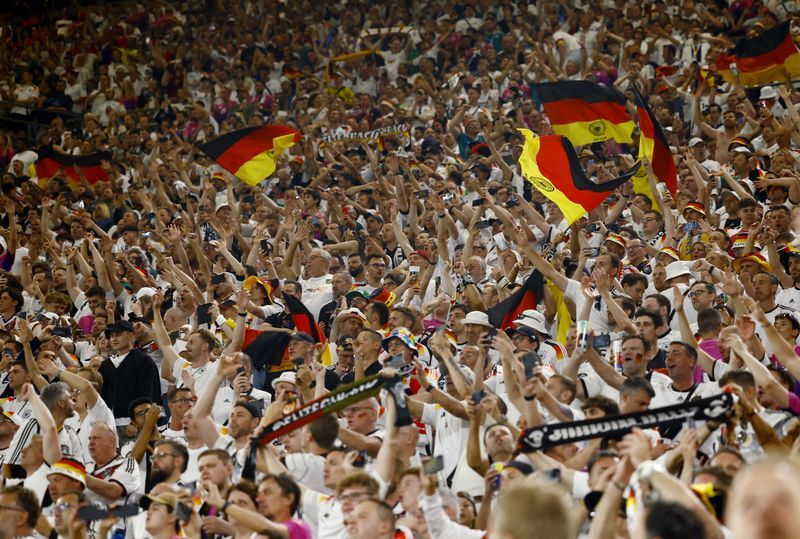
German law enforcement agencies have intensified their scrutiny of the Deutsche Fußball-Bund, the country's football governing body, by executing coordinated searches across multiple nationwide locations as part of a widening inquiry into Euro 2024 ticket allocation procedures. The Bild newspaper first reported the action on Wednesday, revealing that the DFB's headquarters in Berlin fell within the scope of the investigation, marking an unprecedented level of official examination into the association's administrative operations during the major tournament.
The investigation centres on allegations of irregularities in how tickets were distributed for matches during Euro 2024, one of the continent's most high-profile sporting events held on German soil. Such inquiries into ticketing mechanisms for major tournaments are relatively uncommon and typically emerge only when there are credible suspicions of systematic wrongdoing or preferential access arrangements that circumvent established protocols.
Among those under investigation are at least a German national and a French national, according to Bild's reporting, suggesting the alleged misconduct may have involved cross-border coordination or participation by individuals from multiple countries. The involvement of foreign nationals in the probe indicates the scope extends beyond domestic German football circles and raises questions about whether the irregularities benefited specific individuals or groups with international connections.
Authorities provided limited public detail about their operations, with a joint statement from police and prosecutors confirming only that searches were proceeding at several locations throughout Germany. The circumspect official messaging—notably avoiding explicit mention of the DFB in the formal statement despite media reports of the association's involvement—underscores the sensitivity surrounding investigations into one of Germany's most important sporting institutions during a period when football remains central to national pride and public attention.
Ticket allocation for major football tournaments typically follows rigid frameworks designed to ensure fairness and prevent corruption. The Euro 2024 tournament, held in Germany, represented a significant opportunity to showcase the country's administrative capabilities on the world stage. Any substantiated breaches in these systems could carry reputational implications for German football governance and prompt broader questions about oversight mechanisms during international sporting events.
The timing of the investigation, unfolding months after Euro 2024 concluded, suggests authorities required considerable time to gather preliminary evidence before warranting the full-scale coordinated raids. Investigations of this magnitude rarely proceed without substantial grounds, indicating prosecutors believe they possess sufficient material to justify examining records and materials held at the DFB and other locations relevant to the alleged violations.
For Malaysian readers, the incident illustrates how even well-established sporting institutions in developed nations face scrutiny over administrative practices. As Southeast Asia continues developing its own football infrastructure and hosting increasingly significant regional tournaments, the German experience demonstrates the importance of maintaining transparent ticketing systems and robust audit trails to prevent allegations of impropriety. The precedent set by German authorities holding a major governing body accountable signals that no organisation sits above investigation.
The implications extend to how international football governing bodies coordinate ticketing across borders and supervise national associations' distribution practices. If the investigation uncovers systematic irregularities, it could trigger reviews of ticketing protocols at UEFA and other international bodies, potentially affecting how future tournaments in Europe and beyond are organised. For football administrators across Asia, the German case underscores the necessity of implementing digital systems and independent oversight that can withstand scrutiny.
The investigation also touches on broader governance issues within European football, where questions about commercial arrangements, hospitality distribution, and privileged access to premium matches have periodically attracted official attention. The DFB's position as both a sporting organisation and custodian of public interest in a major tournament means its administrative practices carry weight beyond typical private-sector operations.
As the investigation progresses, further details may emerge regarding the specific nature of the alleged violations, the value of tickets involved, and the extent to which distribution protocols were circumvented. Such transparency will be crucial for maintaining public confidence in German football administration and demonstrating that institutional accountability mechanisms function effectively even when examining powerful organisations with deep historical significance.
The case serves as a reminder that institutional prominence and past achievements do not exempt organisations from the same legal and ethical standards applied to other bodies. For the DFB, cooperating fully with authorities and demonstrating commitment to remedying any identified deficiencies will be essential to preserving stakeholder trust. For Southeast Asian football associations watching developments, the German experience provides valuable lessons in the necessity of bulletproof administrative systems before problems necessitate investigation.

