The soil in your garden may be harbouring an invisible threat that extends far beyond what the naked eye can detect. Microplastics—microscopic fragments created when plastic products deteriorate—have become pervasive in agricultural environments worldwide, and Southeast Asian gardeners face the same contamination risks as their counterparts globally. These particles originate from a vast array of everyday household items, from food containers and detergent bottles to clothing fibres, and they eventually infiltrate the earth where our vegetables and fruits grow. For Malaysian families increasingly interested in home gardening and self-sufficient food production, understanding and mitigating this threat has become essential to protecting both personal health and environmental integrity.
The science behind microplastic pollution reveals a troubling reality: once plastic breaks down into these minuscule particles, they become nearly impossible to remove from soil ecosystems. Research has documented their presence in drinking water, food crops, and even human tissues, raising serious questions about long-term health implications. Garden soil, which should be teeming with beneficial bacteria and fungi that nourish plants, can become a vector for these contaminants. The problem intensifies when contaminated soil is used repeatedly to grow edible crops season after season, potentially concentrating microplastics in the food chain. For Malaysian households practising urban gardening or maintaining kitchen gardens for fresh produce, this represents a direct pathway from environmental negligence to the family dinner table.
The solution begins not with despair but with deliberate choices about what materials enter the garden ecosystem. Rather than purchasing conventional plastic seed-starting trays, gardeners can invest in soil-blocking kits that use metal moulds to compress moist mixtures of compost, peat moss, perlite and nutrients into self-supporting cubes. Beyond eliminating plastic waste, this method offers horticultural advantages: the air exposure at the edges of soil blocks encourages roots to develop denser growth patterns rather than circling aimlessly within traditional pots, ultimately producing healthier transplants that establish more successfully in permanent garden locations. For Malaysian gardeners with limited space, this efficiency gain translates to better yields from compact urban garden plots.
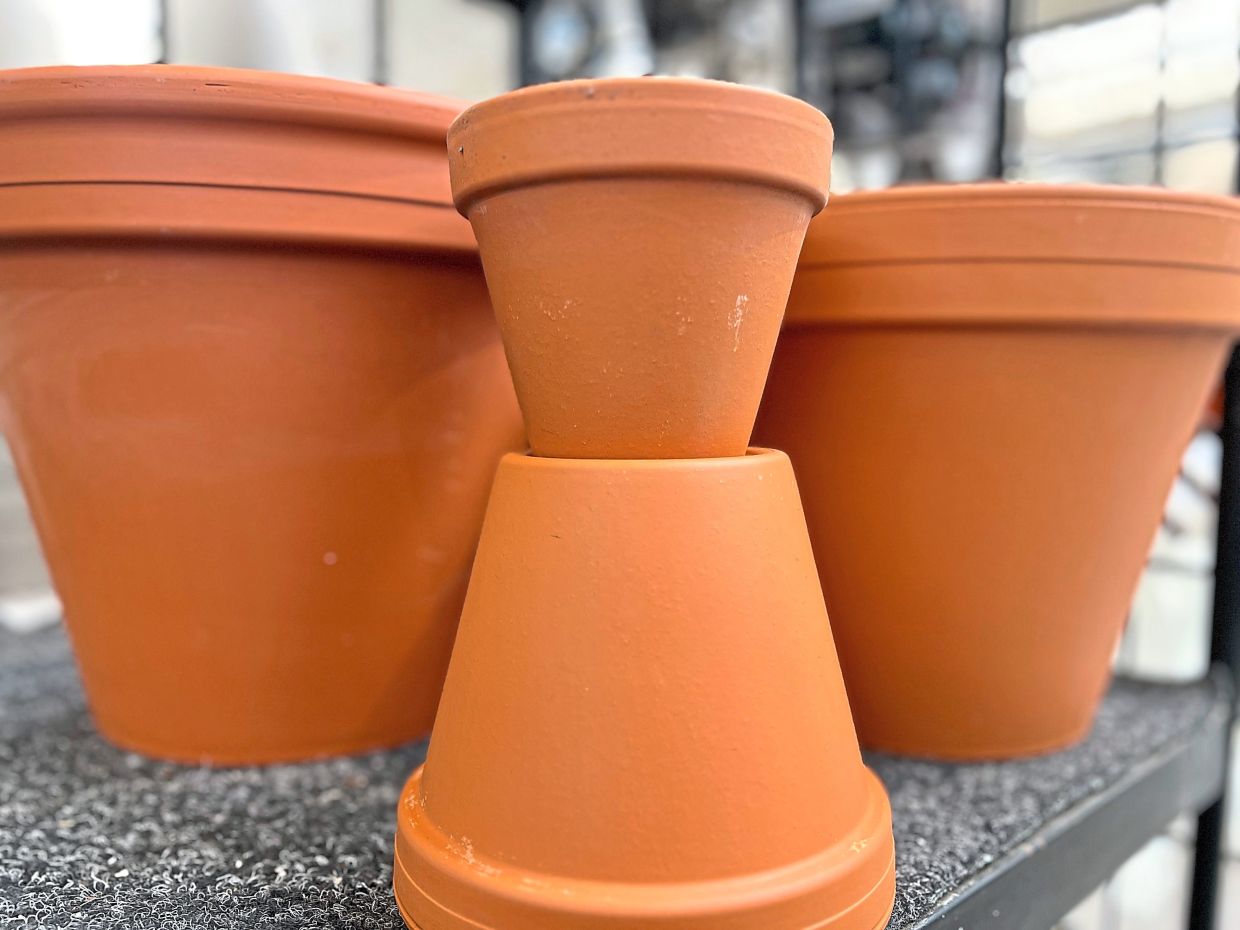
For those unwilling to undertake the soil-blocking approach, viable alternatives exist in biodegradable materials that decompose harmlessly into the soil. Coir-based containers and pots crafted from composted manure offer the convenience of conventional gardening without the persistent plastic legacy. These materials, contrary to assumption, remain odour-neutral and possess sufficient structural integrity for transplanting operations. When establishing larger permanent plantings, natural materials such as terracotta and untreated wood provide elegant and durable alternatives that develop character over time rather than degrading into problematic fragments. In tropical Malaysia's humid climate, where moisture management is critical, terracotta's breathable properties offer additional practical benefits for plant health.
Fabric grow bags represent another plastic-reduction opportunity that deserves consideration, particularly for vegetable cultivation. These flexible containers accommodate root vegetables, herbs, and tomatoes with particular effectiveness, while models designed for potato growing feature convenient roll-up access panels that simplify harvesting operations. Critical to this choice is verification that manufacturers have constructed these bags from natural fibres rather than synthetic polymers—a detail readily confirmed through label inspection. For Malaysian households where space limitations necessitate vertical or compact gardening arrangements, fabric bags' flexibility and range of sizes provide customisable solutions unavailable through rigid plastic alternatives.
The purchasing decision itself offers powerful leverage against microplastic accumulation. Whenever commercially available, selecting bare-root plants rather than those sold in plastic containers represents a direct intervention against unnecessary plastic introduction. Nurseries and garden centres across Malaysia increasingly stock such options, particularly during seasonal planting periods. This choice, multiplied across hundreds or thousands of households, sends market signals encouraging suppliers to prioritise sustainable packaging and reduce plastic dependency. Additionally, bare-root plants often cost less than their container-grown equivalents, demonstrating that environmental responsibility need not impose financial hardship.
Composting emerges as perhaps the single most transformative practice available to conscientious gardeners seeking to eliminate both plastic waste and dependency on commercially packaged soil amendments. A simple compost pile—whether constructed from salvaged materials or left freestanding—transforms kitchen scraps and garden waste into rich, nutrient-dense amendments without generating a single plastic bag for disposal. Beyond waste reduction, home composting grants complete transparency regarding soil composition, ensuring that amendments contain only organic matter of known origin. For Malaysian households managing tropical vegetation and year-round growing seasons, compost production accelerates significantly compared to temperate climates, enabling continuous soil enrichment. Should space or circumstances preclude home composting, bulk compost purchases from local suppliers cost substantially less than bagged alternatives while eliminating packaging waste entirely.
The periphery of gardens often receives insufficient attention regarding plastic contamination, yet represents significant opportunity for improvement. Landscape fabric—that ubiquitous black plastic sheeting—should be entirely eliminated from garden beds and borders, replaced instead with organic mulches such as shredded bark, wood chips, or dry leaves that decompose progressively and enrich soil structure. These natural alternatives suppress weeds through competitive growth and light exclusion whilst simultaneously feeding soil microorganisms as they break down. In Malaysia's fire-prone regions, gravel substitutes for organic mulches whilst maintaining the essential principle of avoiding synthetic materials. Similarly, supporting structures and securing mechanisms merit reconsideration: bamboo, wood, or metal stakes outlast plastic alternatives whilst wooden plant markers and natural twine crafted from hemp or jute eliminate petrochemical dependencies entirely.
The cumulative impact of these individual choices extends beyond single households to influence broader market dynamics and cultural attitudes toward consumption. Each gardener who selects natural containers over plastic, establishes a compost system, and employs biodegradable amendments participates in demonstrating viable alternatives to the plastic-dependent gardening industry. For Malaysia's growing community of environmentally conscious consumers, home gardening represents not merely hobby activity but deliberate resistance against systemic plastic proliferation. The modest financial savings—bulk compost purchases, durable reusable containers, and eliminated packaging—accumulate into meaningful household budget improvements. When aggregated across thousands of Malaysian gardeners, these practices exert measurable pressure on retailers and manufacturers to expand sustainable product availability and reduce plastic dependency. The transformation requires no dramatic sacrifice, merely thoughtful deliberation about materials and their ultimate destinations within ecosystem cycles.

