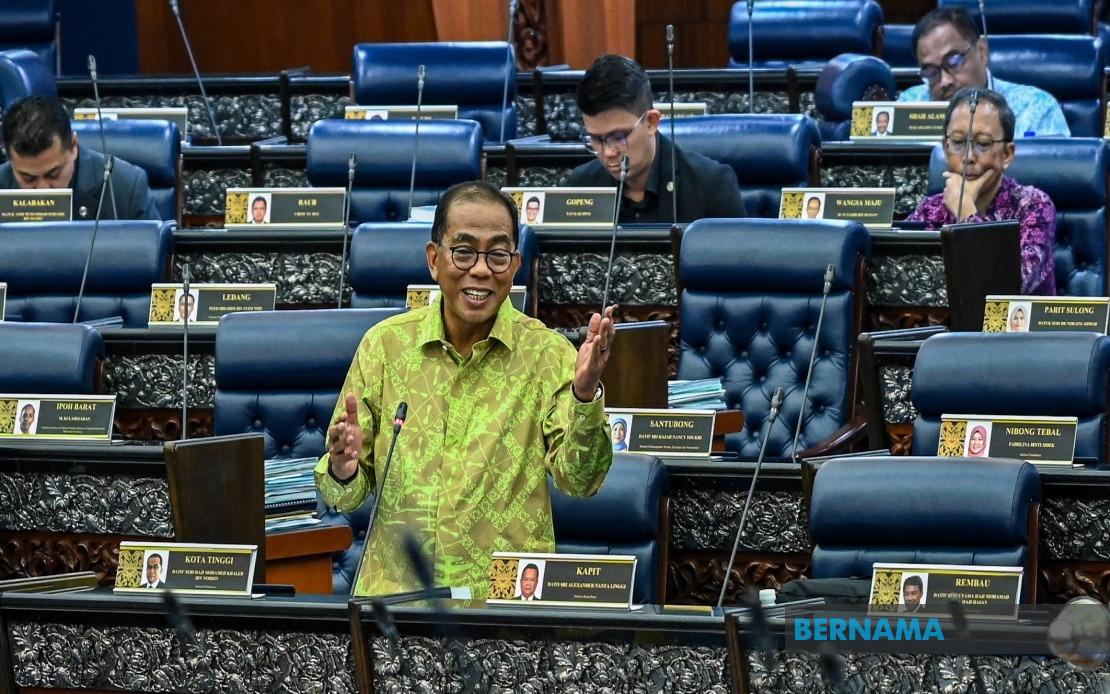
The Malaysian Defence Ministry is preparing to deliver a comprehensive investigation report on the fatal grenade explosion at Hobart Camp Firing Range in Gurun, Kedah, with Defence Minister Datuk Seri Mohamed Khaled Nordin confirming submission by July 23. The incident, which occurred on June 16 during a Combat Enhancement Training exercise, claimed the lives of Lance Corporal Siti Khadijah Sungip and Sergeant Norazmi Abu Bakar, who were fatally wounded when a grenade detonated inside a training bunker shortly before 11 am.
Mohamed Khaled explained that the delay in finalising the report reflects the ministry's commitment to thoroughness rather than any complications in the investigation itself. A board of inquiry was established immediately after the incident, convening on June 17, and submitted its initial findings to the 2nd Division Headquarters and Army Western Field Command Headquarters for review. When the Defence Ministry received the report from Army Western Field Command on July 13, officials identified gaps that necessitated further examination, prompting the decision to recall witnesses and potentially gather additional testimonies to strengthen the investigation's conclusions.
The investigation's focus on technical aspects, procedural compliance, and comprehensive witness statements underscores the gravity with which the military establishment is treating the tragedy. Both victims sustained severe injuries from the blast and were rushed to Sultan Abdul Halim Hospital in Sungai Petani, where they were pronounced dead upon arrival. The incident has raised significant questions about safety protocols during live training exercises, particularly given the inherent risks associated with explosive ordnance handling in an operational training environment.
Immediate responses to the incident demonstrate the military's commitment to preventing recurrence. Army Chief General Tan Sri Azhan Md Othman ordered a temporary suspension of all grenade-throwing exercises across the Malaysian Armed Forces, a precautionary measure that reflects the seriousness with which command regards training safety. Additionally, the 1st Squadron of the Royal Engineer Regiment underwent a comprehensive special inspection of all remaining grenades in its inventory, ensuring that equipment integrity had not been compromised by similar defects or manufacturing issues.
Beyond immediate containment measures, the Defence Ministry has outlined an integrated package of improvements designed to modernise training safety infrastructure. The installation of closed-circuit television cameras at firing ranges will enable real-time monitoring and create visual records of training exercises, facilitating post-incident analysis and identifying procedural deviations. Body-worn cameras will provide additional perspectives from training personnel, capturing ground-level views that fixed installations might miss. These technological enhancements reflect global best practices in military training safety.
A particularly significant initiative involves implementing a casting policy for ammunition and explosives, establishing documented service-life parameters for ordnance. This approach addresses a potential source of failures—older or improperly stored explosive devices—by creating systematic replacement schedules. The policy ensures that grenades, ammunition, and related explosives do not exceed safe operational periods, reducing the risk of degradation-related detonation failures. For a region like Southeast Asia where tropical climate conditions can accelerate material degradation, such measures hold particular importance.
The incident occurs within a broader context of military training operations across the region. Malaysia's Armed Forces conduct extensive training exercises to maintain operational readiness, and the Hobart Camp in Gurun serves as a critical facility for such operations. The fatal accident has prompted reflection on whether current safety standards are adequate, particularly as training intensity increases to match evolving regional security challenges. Other regional militaries, including those in Thailand, Singapore, and Indonesia, will likely monitor Malaysia's findings and safety responses.
For Malaysian military personnel and their families, the investigation represents both accountability and a pathway toward safer training environments. The loss of two service members during a routine training exercise highlights the inherent dangers of military service, even during peacetime operations. The decision to commission a thorough investigation and implement tangible safety improvements sends a message that the Defence Ministry takes these losses seriously and is committed to learning from the tragedy.
The parliamentary response, with Datuk Mohd Isam Mohd Isa raising the question in the Dewan Rakyat, reflects public and legislative interest in military safety standards. This democratic scrutiny of Defence Ministry operations is important for maintaining accountability and ensuring that taxpayer resources allocated to military safety initiatives are being deployed effectively. The transparency with which Mohamed Khaled outlined the investigation process and planned improvements suggests a ministry willing to engage publicly on these sensitive matters.
As the investigation nears completion, focus will shift toward implementation of the recommended safety measures and examination of whether systemic issues contributed to the incident. The July 23 deadline provides a concrete target for delivering answers to the victims' families and the broader military community. Whether the grenade failure resulted from manufacturing defects, improper storage, procedural error, or equipment degradation will determine the specific preventive measures prioritised moving forward.
The incident and response also carry implications for military recruitment and retention in Malaysia, as families of potential service members assess the safety culture within the Armed Forces. A transparent investigation followed by demonstrated safety improvements can help maintain public confidence in the military institution. Conversely, perceived inadequacy in the investigation or slow implementation of safety reforms could damage recruitment prospects and morale among current personnel.
Regional military observers are watching how Malaysia addresses this challenge, as training safety standards influence military effectiveness across Southeast Asia. The measures being implemented—technological monitoring, ordnance management policies, and rigorous investigation procedures—reflect international standards and could serve as benchmarks for other regional forces. The completion of the investigation by July 23 will mark the beginning of a longer process of cultural and procedural transformation aimed at ensuring that training exercises prepare soldiers for operational challenges without claiming unnecessary lives.

