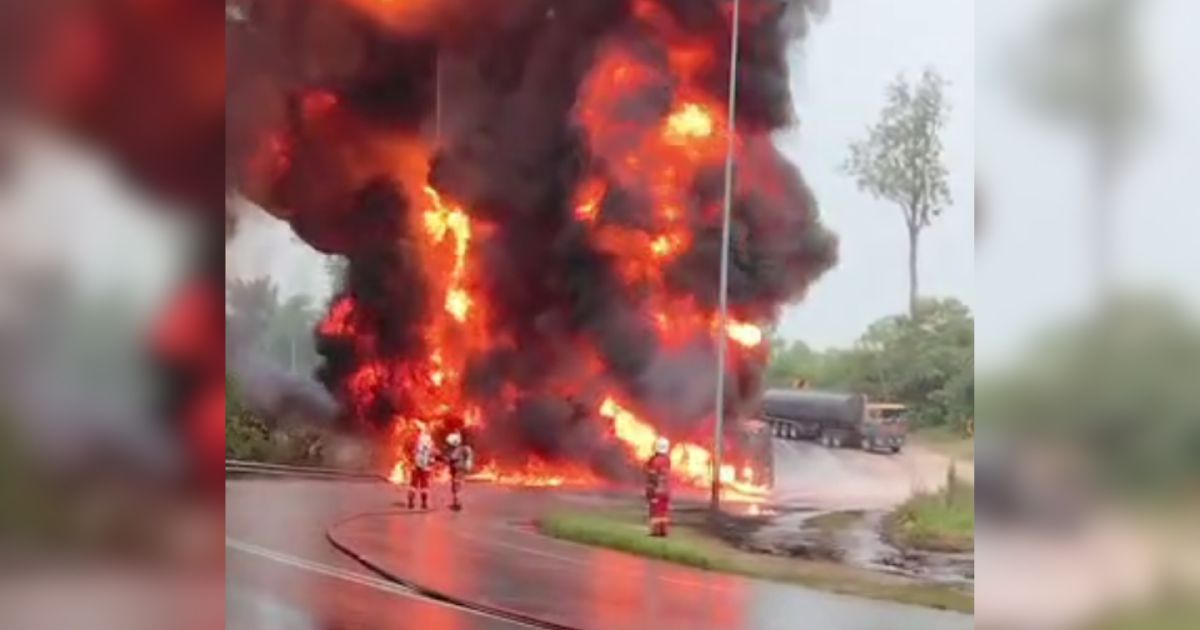
A fuel tanker operator has been placed in police custody for four days to support the ongoing investigation into a deadly collision that took the lives of a mother and her child near Temerloh in Pahang. The incident occurred at Kilometre 9 along the Temerloh-Triang highway near Kampung Lebak, with the tragic deaths marking another addition to the region's road safety concerns.
The remand order was issued by the relevant authorities following the driver's arrest at the crash scene. Investigators are seeking to establish the precise circumstances that led to the collision, including whether mechanical failure, driver fatigue, or human error played a role in the tragedy. The four-day detention period allows police sufficient time to conduct comprehensive questioning and gather critical evidence from the accident site.
Highway accidents involving heavy commercial vehicles such as fuel tankers present particular investigative challenges. These vehicles require specialised inspection procedures to determine whether brake failure, tyre conditions, or load distribution contributed to the incident. In this case, authorities will be examining whether the tanker's condition met regulatory standards and whether the driver was properly rested before operating the vehicle on a busy inter-state route.
The Temerloh-Triang corridor is a significant transportation artery connecting central Pahang to surrounding districts, experiencing considerable daily traffic from both private motorists and commercial vehicles. Fuel tankers regularly traverse this stretch to supply petrol stations and industrial consumers across the region, making road safety protocols particularly vital along this stretch. The fatality rate on secondary highways in Pahang has drawn ongoing attention from state and federal road safety agencies.
Fatalities involving family units in vehicle collisions carry particular weight within Malaysian communities. The loss of both a parent and child in a single incident compounds the tragedy and raises questions about protective measures that might have prevented the outcome. This aspect of the case will likely resonate across Pahang and neighbouring Selangor, where similar demographic vulnerabilities exist among highway users.
Driving while fatigued remains a persistent hazard on Malaysian highways, particularly for long-distance commercial drivers navigating multiple deliveries across extended routes. Enforcement agencies continue grappling with compliance issues surrounding mandatory rest periods, despite regulations requiring drivers to take breaks after specified driving hours. The investigation will examine whether fatigue contributed to any lapses in the operator's vehicle control or reaction time during the incident.
The fuel tanker transport sector faces heightened regulatory scrutiny given the hazardous nature of its cargo. Beyond causing conventional injuries through collision, fuel tanker accidents risk explosions, fires, and environmental contamination that compound emergency response complexity. This context underscores why investigation into tanker-related crashes receives particular priority from law enforcement and road safety authorities.
Police investigations into fatal traffic incidents typically extend beyond the remand period through forensic analysis of vehicle damage, road conditions, and skid marks that establish collision dynamics. Witness statements from other motorists, CCTV footage from nearby commercial establishments, and data from the vehicle's digital tachograph—if equipped—provide additional investigative material. The four-day remand allows officers to process this evidence while maintaining custody of the prime suspect.
Family members affected by the collision face the immediate challenges of arranging funeral preparations, notifying extended relatives, and navigating the preliminary investigation process. Malaysian road safety advocacy groups often use such incidents to campaign for stricter vehicle maintenance standards, driver welfare requirements, and enhanced speed enforcement on inter-state routes where heavy vehicles operate.
The circumstances of this particular incident will likely inform safety briefings for other commercial vehicle operators in Pahang and adjacent states. Transport companies frequently share incident information through industry networks, using fatal accidents as training materials to reinforce safety protocols among their driver populations. Such peer-learning mechanisms, though informal, sometimes prove more effective than regulatory mandates alone in shifting transport culture toward risk consciousness.
Ongoing investigations will determine whether charges proceed beyond the current remand phase, with potential offences ranging from negligent driving causing death to dangerous driving that resulted in fatalities. The severity and nature of charges filed will reflect investigators' findings regarding causation and the operator's compliance with relevant safety regulations. Such determinations remain provisional pending completion of comprehensive evidence gathering and forensic analysis during the remand period.

