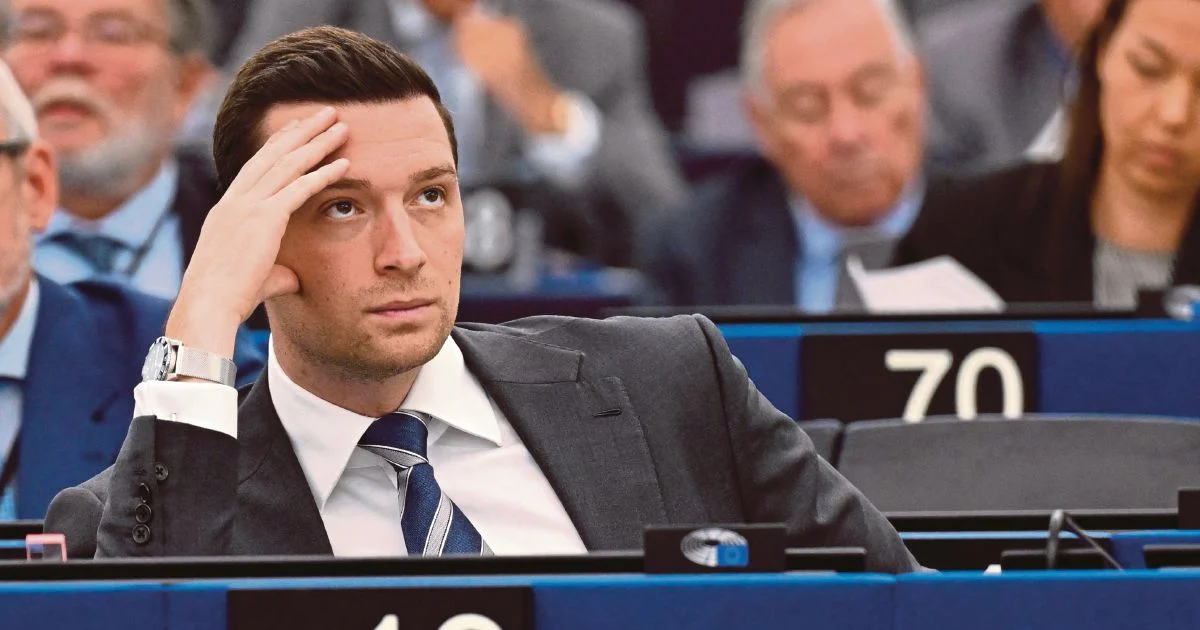
An independent anti-corruption authority in France has initiated moves to investigate allegations that Jordan Bardella, the prominent far-right National Rally politician widely viewed as a likely presidential candidate, once held a fake assistantship within the European Parliament. The watchdog's decision marks an escalation of scrutiny into Bardella's career history and raises questions about the integrity of his background during a period of significant political turbulence in France.
Bardella, who serves as president of the National Rally party, has emerged as one of France's most divisive political figures in recent years. His potential candidacy in a future presidential election has already sparked considerable debate across the French political spectrum, with supporters viewing him as a necessary alternative to establishment politics and critics warning of his party's historical associations with far-right ideology. The timing of these allegations adds a new dimension to discussions surrounding his suitability for high office.
The accusations centre on whether Bardella held what is termed an assistantship in the European Parliament during his tenure there, and whether this position corresponded to genuine work or represented a paper role created to facilitate payments. Such arrangements have periodically surfaced as concerns within EU institutions, where scrutiny over parliamentary staff costs and the legitimacy of various roles has intensified over the past decade. The European Parliament has faced recurring criticism regarding oversight mechanisms for staff appointments and expenditures.
The National Rally has categorically denied these allegations, characterising them as politically motivated attacks designed to undermine Bardella's standing ahead of forthcoming elections. Party officials have suggested that critics are deploying character assassination tactics rather than engaging in substantive policy debate. This defensive stance reflects the heightened polarisation surrounding Bardella and his party, who have steadily gained electoral traction among segments of the French population dissatisfied with mainstream political offerings.
For Malaysian observers monitoring European political developments, this situation illustrates the ongoing tensions within European democracies regarding political accountability and the standards expected of public officials. The investigation underscores how developed nations attempt to maintain institutional integrity through independent oversight bodies, though the politicisation of such processes remains a consistent challenge. Southeast Asian nations have their own experiences with how allegations against politicians become entangled with broader political narratives.
The corruption watchdog's decision to pursue investigation rather than dismiss the matter outright suggests there exists prima facie evidence warranting formal scrutiny. The distinction matters considerably, as it indicates authorities believe sufficient grounds exist to examine the allegations rather than treating them as mere speculation or partisan rhetoric. The investigative process will likely require examination of parliamentary records, financial documentation, and testimony from relevant parties.
Bardella's political trajectory has been remarkable, transforming him from a relatively unknown figure into a serious contender for France's highest office. His ability to mobilise support reflects broader European patterns where far-right and populist movements have achieved unprecedented electoral success, particularly among working-class voters feeling economically marginalised. Understanding French politics remains essential for international observers, given France's prominent role in EU decision-making and its influence over broader European direction.
The investigation also touches on European Parliament governance itself, as it raises questions about how effectively these institutions monitor their own officials and contractors. If allegations prove substantiated, they would suggest oversight mechanisms failed to prevent potentially fraudulent arrangements. Such findings could prompt institutional reform discussions across EU bodies, particularly regarding financial controls and staff verification procedures.
The controversy unfolds as France confronts deeper questions about political trust and institutional legitimacy. Public confidence in political institutions has declined across many Western democracies, and high-profile investigations into allegations of misconduct can either strengthen democratic institutions by demonstrating accountability or undermine them by appearing politically selective. The manner in which French authorities pursue this investigation will therefore carry significance beyond Bardella's individual circumstances.
For the broader European context, this development reflects ongoing efforts to maintain standards within EU institutions whilst navigating the reality that allegations against opposition figures inevitably attract claims of political persecution. Establishing investigations based on credible evidence rather than partisan motivation remains essential for maintaining institutional credibility. The investigation's outcome could significantly influence French political dynamics in coming years, particularly if Bardella moves toward explicit presidential candidacy.

