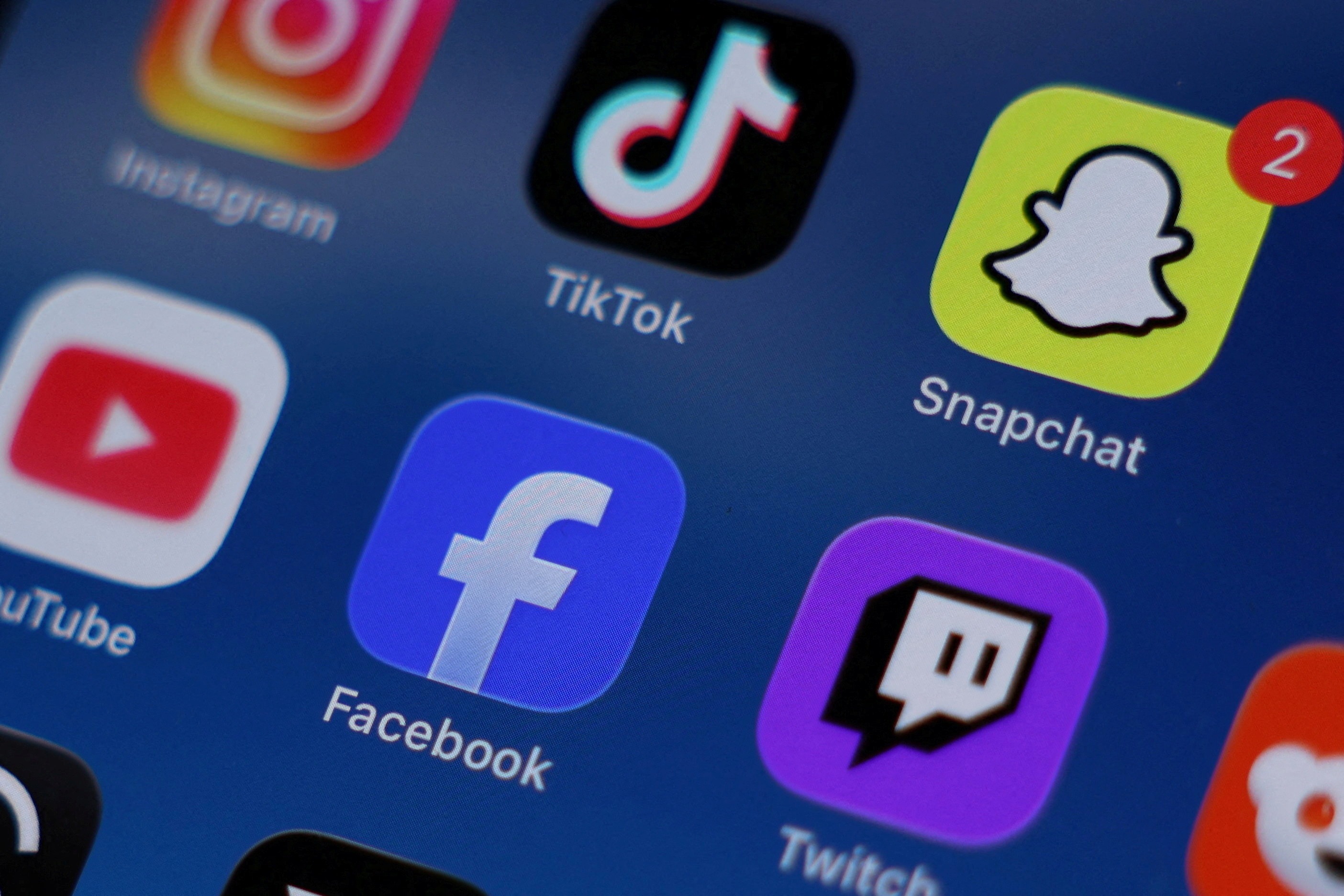
France has made history by becoming the first European Union member state to impose a blanket prohibition on social media access for children younger than 15 years old. The groundbreaking legislation secured overwhelming parliamentary approval this week, with lawmakers in both chambers voting decisively in favour of the measure. The Senate endorsed the bill 243 to 2, while the National Assembly approved it 279 to 81, demonstrating rare cross-party consensus on child protection in the digital age.
Digital Affairs Minister Anne Le Henanff framed the legislation as a defining moment for European children's safety, characterising the move as establishing a meaningful digital threshold to shield young people from the risks associated with social media platforms. Her remarks to senators underscored the French government's determination to position the country as a standard-setter on digital protection within the bloc, signalling that Europe's regulatory approach to technology could increasingly emphasise age-based restrictions rather than relying solely on platform self-regulation or parental controls.
The law will be enforced in phases, recognising the practical challenges of immediate implementation. From the beginning of the September school year, newly created social media accounts will be subject to the age restriction immediately. However, the government has granted a grace period for accounts already in existence before the law's passage—these will become non-compliant from January 1st of the following year, allowing families time to adjust before the comprehensive ban takes full effect. This staggered approach suggests legislators understood that abrupt enforcement could provoke resistance and administrative confusion.
Beyond social media restrictions, the legislation extends prohibitions on mobile phone use to French secondary schools, broadening the scope of digital regulation beyond parental supervision and into institutional settings. This dual approach—restricting both social media access at home and telephone use at school—represents a comprehensive strategy to reduce young adolescents' screen exposure across multiple environments. The measure reflects growing international concern about the psychological and developmental impacts of constant digital connectivity among teenagers.
France's legislative action arrives amid intensifying scrutiny of social media's effects on child mental health across the Western world. Researchers, child psychologists, and policymakers have increasingly documented correlations between heavy social media use and rising rates of anxiety, depression, and self-harm among adolescents. By implementing an outright age-based ban rather than attempting to regulate content or impose parental controls, France has adopted one of the strictest regulatory frameworks globally, sending a powerful signal about the government's priority on protecting minors from digital platforms.
The decision carries significant implications for the broader European regulatory landscape. The European Union has already established itself as a centre of technology regulation through frameworks like the Digital Services Act and General Data Protection Regulation. France's social media ban for under-15s could inspire similar legislation across other EU member states, potentially creating a patchwork of age restrictions that multinational platforms will need to navigate. Several other European nations have already considered comparable measures, so this French precedent may accelerate a continental shift toward age-based access restrictions.
For technology platforms themselves, the legislation presents considerable enforcement challenges. Social media companies have historically struggled to verify user ages reliably, relying on self-reported information that teenagers often circumvent through false accounts or borrowed credentials. France's law does not explicitly detail how platforms should verify age compliance, potentially requiring further regulatory guidance or technological innovation to determine effective enforcement mechanisms. This ambiguity may lead to protracted discussions between government authorities and technology firms about the practicality of implementation.
The Southeast Asian region, including Malaysia, watches such European regulatory developments with interest. While the continent's approach emphasises comprehensive restrictions, Asian jurisdictions have generally favoured lighter-touch regulation combined with digital literacy initiatives. Malaysia's regulatory framework, overseen by bodies like the Malaysian Communications and Multimedia Authority, has traditionally emphasised industry self-regulation and parental responsibility rather than blanket bans. However, as European precedents accumulate, regional policymakers may face mounting domestic pressure to adopt stricter measures protecting young people from social media exposure.
The French decision also reflects broader societal anxieties about technology's role in childhood development. Beyond mental health concerns, critics argue that social media platforms exploit children's cognitive vulnerabilities through algorithmic content optimisation designed to maximise engagement and advertising revenue. By establishing a legal floor below which social media access is prohibited, France has essentially made a judgment that parental consent and individual choice are insufficient safeguards for the youngest adolescents. This represents a philosophical shift from market-based or educational approaches toward direct governmental restriction of access.
Implementation will ultimately determine whether France's law achieves its protective objectives or becomes merely symbolic legislation that tech-savvy teenagers readily circumvent. The government will need to coordinate with platforms, schools, and parents to establish monitoring mechanisms and educational campaigns explaining the rationale behind the restrictions. Success will require sustained commitment and resources beyond the initial legislative vote, along with willingness to adapt enforcement strategies as platforms develop workarounds and teenagers find creative alternatives.
The legislative approval margins suggest that concerns about social media's impact on child development have transcended traditional political divisions in France. This consensus may strengthen enforcement efforts and reduce the likelihood of rapid legislative reversal if implementation encounters obstacles. Furthermore, the strong parliamentary majorities provide political cover for ministers negotiating with technology companies that will inevitably lobby against compliance costs and argue that the restrictions violate commercial freedoms.
As France implements these restrictions over the coming months, the outcomes will provide valuable data for policymakers globally, including across Southeast Asia. Metrics regarding compliance rates, platform responses, and measurable impacts on youth mental health and academic performance will inform whether similar jurisdictions should pursue comparable legislation. France has positioned itself as a testbed for the world's most aggressive age-based social media restrictions, a role that carries both responsibility and reputational risk.

