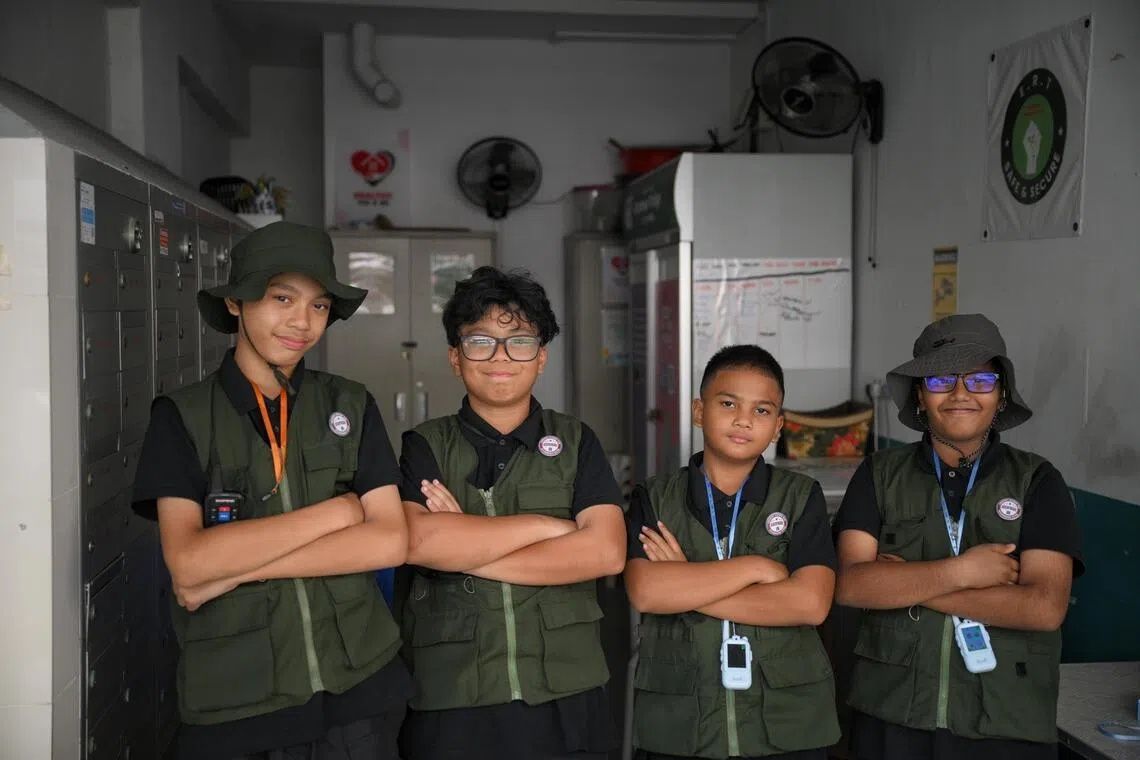
When 12-year-old Rafieq Sahin Rafizal watched strangers repeatedly raid a community fridge stocked with free milk and drinks intended for children from disadvantaged families, he resolved to take action. Rather than simply standing guard over the refrigerator located at the void deck of his mother's two-room rental flat in Lengkok Bahru, his solution evolved into something far more ambitious: a youth-led neighbourhood patrol that now captures the attention of Singapore's policymakers and residents alike.
Today, Rafieq leads the Emergency Response Team LB alongside three classmates aged between 11 and 14, all pupils at Gan Eng Seng Primary School. Donning matching vests emblazoned with their names and team logo, the four boys conduct daily rounds across six blocks of their estate, scrutinising their surroundings with a maturity that belies their age. Their vigilance targets indiscriminate bulky waste dumping, vandalism, and the particularly hazardous practice of charging personal mobility devices in common areas—a fire risk that authorities have increasingly flagged across Singapore's public housing estates.
The initiative originated with Rafieq's mother, Marlina Yased, a 48-year-old homemaker who established the community fridge in 2023 with help from sponsors to support cash-strapped neighbours. When the fridge became subject to systematic depletion, Marlina pivoted strategically. Rather than assign her son as a static guardian, she encouraged him and his peers to venture outward, transforming a defensive position into proactive community stewardship. The young patrollers communicate via walkie-talkie with Marlina and volunteer Fahmidah Farihullah, a 21-year-old coordinator, reporting observations that trigger interventions from estate management when necessary.
The team's endeavours have extended well beyond routine environmental monitoring. Since commencing patrols in August 2025, the boys have assisted elderly residents with grocery transportation and intervened to mediate disputes among younger children—quotidian acts of service that quietly strengthen social cohesion. Yet their most sobering experience arrived early in 2026 when they detected a foul odour emanating from a flat. The alert they raised to Marlina, combined with calls from other residents, prompted police attendance and the discovery of an elderly man's decomposed body. What began as a civic engagement project had inadvertently served a critical public safety function, uncovering a tragedy that might otherwise have gone unnoticed for considerably longer.
The recognition accorded to these young patrollers reflects broader Singaporean attitudes toward youth civic participation and community-led problem-solving. In August, Rafieq, Aaron Sarandev (11), Al-Mirza Danish (12), and Didie Andiqa Muhaimin (14) will march in the National Day Parade as participants in a dedicated segment honouring citizens who strengthen the nation's social fabric. For all four, this represents their inaugural appearance at the annual celebration—an honour that underscores the official validation of their grassroots initiative.
The motivation driving these primary school pupils reveals the complexity of contemporary urban youth engagement. Rafieq explicitly articulated a deliberate choice: while peers might fill leisure hours with unstructured activity, he and his friends have committed approximately one hour daily to community service. Didie confessed that initial participation stemmed from boredom, yet the project has offered him a sense of purposeful belonging. Aaron identified the patrols as a transformative experience, teaching him responsibility and perseverance on occasions when motivation flagged but commitment prevailed. These testimonies suggest that structured, youth-empowered initiatives can redirect adolescent energy toward constructive channels.
Parental and community responses have gradually shifted from scepticism toward endorsement. Residents like Nasha Asrin, a 27-year-old mother of five living in the estate, have expressed relief at observing young people engaged in neighbourhood stewardship rather than loitering. Marlina has observed tangible developmental gains among the team members, reporting improved school attendance and heightened concentration—academic benefits that extend beyond the patrol hours themselves. Such outcomes hint at the ripple effects of youth civic engagement, where structured responsibility cultivates broader competencies and resilience.
The team originally comprised seven members but has contracted to four, reflecting the challenges of sustaining long-term youth participation amid competing demands from schooling and domestic obligations. This attrition underscores a critical tension: while individual motivation remains potent, systemic support structures—whether institutional endorsement, peer recognition, or tangible incentives—prove essential for durability. Singapore's decision to elevate these four boys to the National Day Parade platform constitutes precisely such recognition, potentially catalysing interest among peers and legitimising youth agency within the broader governance ecosystem.
For Malaysian and broader Southeast Asian audiences, the Lengkok Bahru patrol team exemplifies a model of community-based problem-solving that merits consideration. While Singapore benefits from sophisticated municipal infrastructure and established governance frameworks, the core principle—mobilising local youth as frontline observers and advocates for their neighbourhoods—transcends context and resources. In Malaysian urban settings, where kampung communities and housing estates face analogous challenges of waste management, safety, and social fragmentation, analogous youth initiatives could harness similar energy and civic consciousness.
The broader significance lies not merely in four schoolboys performing neighbourhood rounds, but in the demonstration that sustainable urban improvement emerges from bottom-up engagement rather than exclusively top-down intervention. Rafieq's team discovered a deceased resident because they maintained constant environmental awareness; they reported fire hazards because they understood community vulnerability; they assisted elderly neighbours because they recognised relational obligation. These practices reflect citizenship as lived daily practice rather than abstract civic duty. As Southeast Asian cities grapple with rapid urbanisation, social atomisation, and governance challenges, the Lengkok Bahru model suggests that youth empowerment, community infrastructure support, and institutional validation can combine to yield meaningful public goods. The invitation to the National Day Parade, therefore, signifies not merely the celebration of four exceptional children, but the potential replication of their approach across Singapore's housing estates and, conceivably, across the region.

