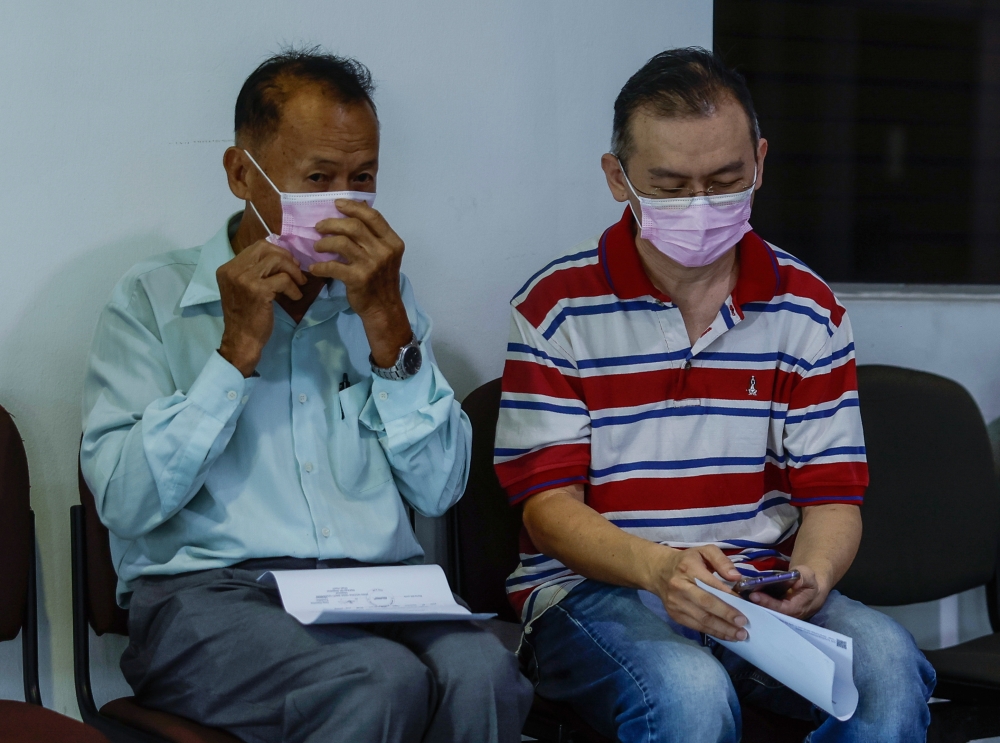
Four individuals appeared before the Sessions Court in Shah Alam on August 7 to face charges stemming from false statements submitted in applications for the Perkeso Daya Kerjaya 2.0 employment initiative. The prosecution's case underscores growing concerns about the integrity of government-supported workforce development programmes, which are increasingly critical as Malaysia seeks to enhance employability and provide economic opportunities to its citizens.
The Perkeso Daya Kerjaya 2.0 scheme represents one of Malaysia's major interventions designed to support job creation and skills development. Administered through the Social Security Organisation's employment programme, it offers financial incentives and training opportunities to participants seeking to enter the formal labour market or transition to new sectors. The programme has attracted thousands of applicants since its inception, making it a substantial component of the nation's employment policy framework.
False applications undermine the scheme's ability to reach its intended beneficiaries and divert limited public resources away from genuine applicants who truly need support. When individuals misrepresent their circumstances or qualifications, they effectively displace more deserving candidates who might genuinely benefit from the programme's provisions. This type of fraud erodes public confidence in government initiatives and raises questions about the robustness of verification mechanisms deployed to authenticate applicant information.
The charges filed in this case demonstrate that authorities are taking enforcement seriously and are willing to prosecute those who attempt to exploit the system through deception. The court appearance signals that oversight agencies have established detection mechanisms capable of identifying discrepancies in applications and pursuing legal remedies. However, the mere fact that such cases reach the courts suggests that initial screening processes may not be sufficiently robust to prevent fraudulent submissions from entering the system in the first place.
For Malaysian job seekers genuinely seeking to benefit from employment assistance programmes, cases like this carry important implications. They highlight the importance of submitting accurate, verifiable information when applying for government support. Applicants should understand that false statements constitute serious offences with potential legal consequences including criminal charges and imprisonment. The reputational damage to legitimate participants when fraud occurs can also create unnecessary stigma around programmes designed to help vulnerable populations enter the workforce.
The broader context of workforce development in Malaysia makes employment fraud particularly concerning. As the nation works to upskill its labour force and position itself competitively in a rapidly evolving regional economy, ensuring that support mechanisms function equitably and effectively becomes essential. Fraudulent applications divert attention and resources from policy implementation and undermine the government's capacity to deliver meaningful outcomes for those genuinely struggling with employment challenges.
From a regional perspective, Malaysia's experience with employment scheme fraud reflects challenges faced across Southeast Asia. Neighbouring countries implementing similar programmes have encountered comparable issues, suggesting that this represents a systemic problem requiring coordinated, sophisticated responses. The nature of government-administered benefits programmes—with their inherent complexity and reliance on self-reported information—creates vulnerabilities that bad actors consistently seek to exploit.
The investigation and prosecution of these four individuals should prompt a comprehensive review of application verification protocols for the Perkeso Daya Kerjaya 2.0 scheme. Authorities might consider implementing enhanced cross-referencing with civil service databases, incorporating independent verification of educational credentials, and deploying data analytics to identify suspicious patterns across applications. Such improvements would increase the costs for prospective fraudsters while simultaneously reducing the burden on prosecutorial resources.
Moving forward, transparency regarding enforcement outcomes serves an important public interest function. Publishing data on detected fraud cases, prosecution rates, and conviction outcomes would deter future attempts and demonstrate to legitimate applicants that the system maintains integrity. It would also signal to taxpayers that public funds allocated to employment schemes are being protected against misuse and that programme administrators take their stewardship responsibilities seriously.
For individuals navigating the application process, this case serves as a clear warning that authorities possess the capacity to detect fraud and the determination to pursue legal action. The consequences of submitting false information extend beyond programme disqualification to include potential criminal liability, fines, and imprisonment. Those genuinely eligible for assistance should view the prosecution of fraudsters as evidence that the system is designed to benefit authentic participants rather than opportunistic individuals seeking to exploit public generosity.

