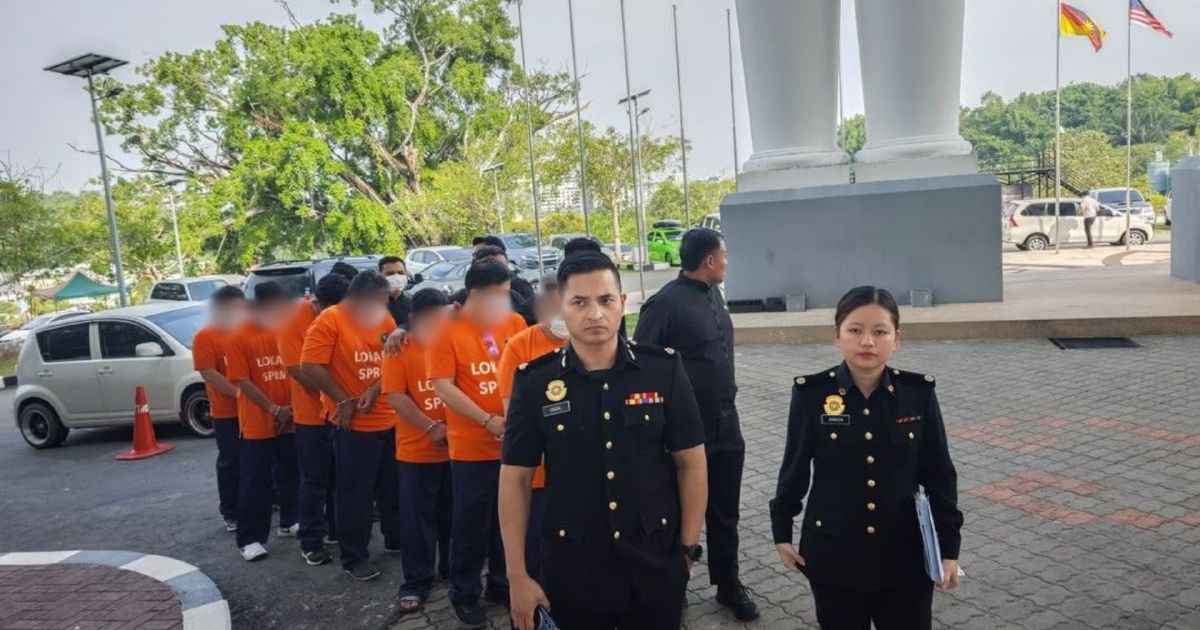
Investigators in Kota Kinabalu have detained seven individuals for three days as they probe what appears to be a coordinated scheme to circumvent food safety protocols through bribery. Among those remanded are four civil servants whose involvement raises serious questions about the integrity of agricultural import controls in East Malaysia and the vulnerability of inspection systems to corruption.
The alleged criminal enterprise centres on frozen chicken entering Sabah through irregular channels, bypassing the standard health and safety inspections that form a critical barrier against contaminated food products. The presence of public officials among the accused suggests a systematic approach in which those charged with enforcing regulations may have actively facilitated their breach. Such infiltration of the civil service represents a particularly troubling dimension of the investigation, as it indicates that illegal operators had cultivated relationships within the very agencies tasked with protecting public health.
Sabah's position as a major gateway for agricultural imports makes it a strategic and profitable target for smuggling operations. The state imports substantial quantities of poultry to meet consumer demand, creating an established logistics chain that criminals can exploit. Frozen chicken, being a high-volume, relatively low-value commodity compared to other contraband, offers substantial margins when import duties and quarantine expenses can be circumvented through illicit payments to officials.
The involvement of civil servants in accepting bribes reflects broader challenges facing Malaysia's enforcement agencies. Underpaid government workers, coupled with inconsistent oversight of port and border operations, create conditions in which corruption can take root. The temptation to supplement modest salaries through illegal payments from import syndicates has long posed an institutional vulnerability in Southeast Asian customs and agricultural services. This case appears to exemplify how readily such systemic weaknesses can be exploited at scale.
Beyond the criminal conduct itself, the case underscores serious food security implications for Malaysian consumers. Imported frozen poultry that bypasses official health screening may harbour pathogens, chemical residues, or other contaminants that would normally be detected through quarantine procedures. Chicken that enters the supply chain illegally could reach markets, food processors, and restaurants without proper documentation of origin or production standards. For Malaysian households purchasing chicken in supermarkets or wet markets, this breach represents an unquantified food safety risk.
The investigation carries implications for regional supply chains and bilateral agricultural trade. Southeast Asian nations, including Malaysia, maintain complex import frameworks to manage food safety and protect domestic producers from unfair competition. When corruption compromises these systems, it destabilises the regulatory environment for legitimate traders, undermines the credibility of certification processes, and potentially damages Malaysia's reputation as an enforcer of international food standards. Trading partners monitoring such cases may develop concerns about the reliability of Malaysian agricultural inspections.
Authorities have not yet disclosed details regarding the identity of the commercial operators behind the scheme or the volume and origin of smuggled chicken involved. These details will be crucial in understanding the scope of the operation and whether it represents an isolated incident or a larger, established smuggling network. The three-day remand period affords investigators time to gather evidence, interview witnesses, and determine whether other officials or businesses require investigation.
The case also highlights the importance of whistleblowing mechanisms and internal compliance monitoring within government agencies. Civil servants who discover colleagues engaged in bribery schemes often face pressure to remain silent, whether through collegial loyalty or fear of retaliation. Strengthening protections for those who report corruption, coupled with more robust auditing of import transactions and crossing patterns, could help prevent similar schemes from operating undetected.
For Sabah specifically, the arrest presents both an immediate enforcement challenge and a longer-term institutional one. The state must not only prosecute those involved but also implement systemic reforms to prevent future corruption. This could include rotating personnel assigned to high-risk inspection points, increasing surprise audits of import documentation, deploying advanced scanning technology at ports, and implementing financial monitoring to detect unexplained wealth among civil servants.
The broader context involves Malaysia's commitment to regional food security standards and World Trade Organization obligations regarding food safety. Illegal poultry imports that bypass inspection regimes potentially violate both domestic regulations and international agreements. The case will likely attract scrutiny from other Southeast Asian governments concerned about cross-border movement of potentially contaminated food products, particularly given Sabah's proximity to the Philippines, Brunei, and Indonesia.
As the investigation progresses, the outcomes will signal the government's seriousness about combating agricultural smuggling and official corruption. Convictions of civil servants would demonstrate that public sector involvement in bribery carries significant consequences. Conversely, if investigations stall or prosecutions prove unsuccessful, it could embolden other syndicates to attempt similar schemes, gambling that institutional defences are sufficiently weak to penetrate with the right incentives.
Consumers in Sabah and throughout Malaysia will watch this case as an indicator of whether the food supply can be reliably protected. The presence of civil servants among the accused suggests that the problem extends beyond isolated bad actors to include potential systemic failures in how agricultural agencies operate and oversee their workforce.

