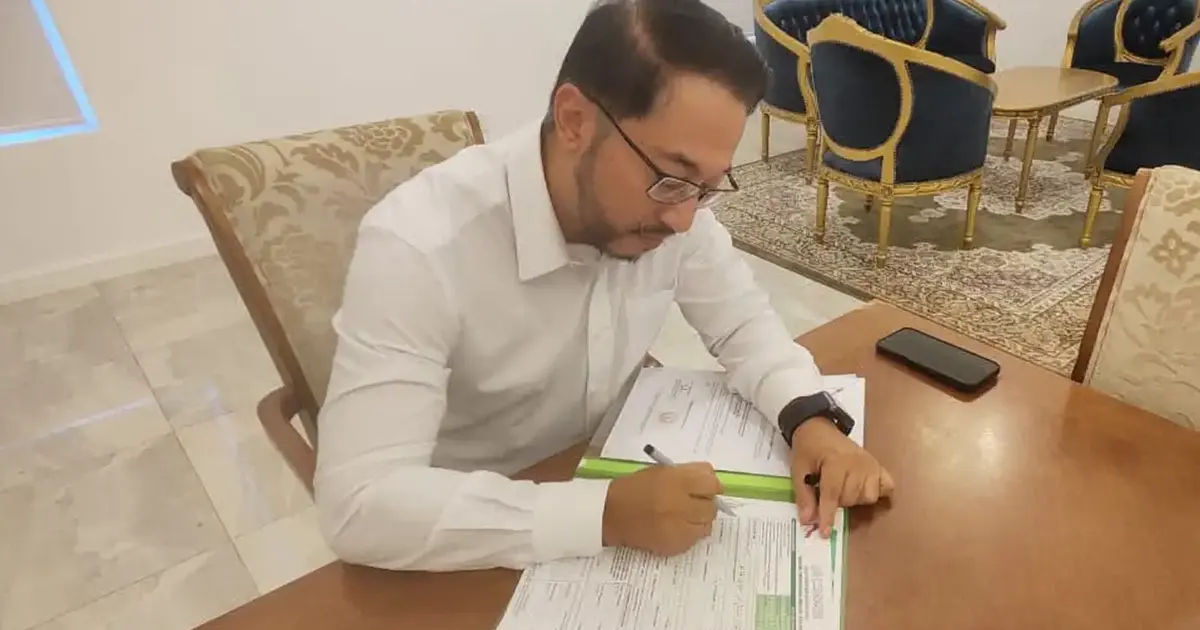
In a significant political shift, Isham Jalil, who previously held the position of Supreme Council member within Umno, has submitted an application to become a member of PAS. His decision to seek membership in the Islamic party marks another instance of political transition among Malaysia's established leaders, reflecting broader movements within the nation's complex party landscape.
Isham's choice to pursue membership with PAS appears rooted in his assessment of the party's institutional integrity. According to statements attributed to him, he views the Islamic party as operating without the corruption that he perceives to plague other political organisations. This characterisation suggests a deliberate selection process rather than a casual party switch, indicating that his assessment of governance standards played a meaningful role in directing his political future.
The application represents a notable departure from Umno, where Isham previously served in an influential capacity as a Supreme Council member. This position typically places an individual among the party's senior decision-makers, involved in shaping policy direction and strategic initiatives. His transition away from such a position of influence to seek entry into a different political formation warrants consideration of the underlying motivations and circumstances that prompted such a consequential change.
For PAS, the recruitment of individuals with Umno's governance experience carries both strategic advantages and potential complications. Former Umno members bring institutional knowledge, established political networks, and administrative experience that can strengthen party operations. However, such transitions also introduce complex questions about loyalty, ideological alignment, and the management of internal party dynamics when absorbing politicians from rival organisations.
Malaysia's political environment has witnessed increasing fluidity in party membership over recent years, as politicians reassess their organisational affiliations in response to perceived shifts in party direction, internal conflicts, or evolving political opportunities. Isham's application fits within this pattern of recalibration, though his specific framing around corruption concerns adds a particular dimension to the broader narrative of political realignment.
The timing of this application merits attention within the context of Malaysia's current political climate. The nation has experienced significant governmental transitions and internal party upheavals in recent years, with corruption allegations and governance concerns occupying prominent positions in public discourse. Isham's emphasis on joining a party he perceives as corruption-free suggests he is responding to these national conversations about institutional integrity and political accountability.
Umno's historical dominance in Malaysian politics has been increasingly challenged by internal disputes and external competition. The departure of experienced figures such as Isham, even if relatively quiet, contributes to the incremental erosion of the party's personnel resources. Each transition of a senior member to rival organisations necessitates rebuilding of internal structures and relationships within Umno's hierarchy.
PAS, as Malaysia's largest Islamic political party by some measures, maintains distinct ideological foundations centred on Islamic governance principles. The party has expanded its influence significantly in recent electoral cycles, particularly through electoral alliances and increased support in certain regions. The addition of former Umno members to its ranks may reflect PAS's growing confidence in its competitive positioning and its ability to attract personalities from the mainstream political establishment.
The Islamic party's appeal to individuals like Isham suggests that some within Malaysia's political elite view PAS as offering a more principled alternative to their previous affiliations. Whether this perception corresponds to observable governance outcomes or represents a calculated political positioning remains an open question for observers and voters to evaluate. The success of such transitions often depends on whether incoming members adapt genuinely to new party cultures or merely seek to replicate their previous influence within fresh organisational contexts.
For Southeast Asian regional observers, this development illustrates the ongoing dynamism within Malaysia's party system, where boundaries between rival organisations remain somewhat porous and senior figures regularly recalibrate their political homes. The region's broader struggles with governance and corruption create fertile ground for politicians to rebrand themselves through party switches, raising important questions about substantive versus symbolic political change.
The success of Isham's transition will likely depend on PAS's internal acceptance of his membership and his effective integration into the party's structures and culture. Former Umno members may encounter resistance from long-serving PAS figures protective of their organisational identity, or they may find rapid pathways to influence if party leadership views them as valuable acquisitions. These internal dynamics will unfold as the Islamic party processes his application and determines the role he might occupy within its framework.

