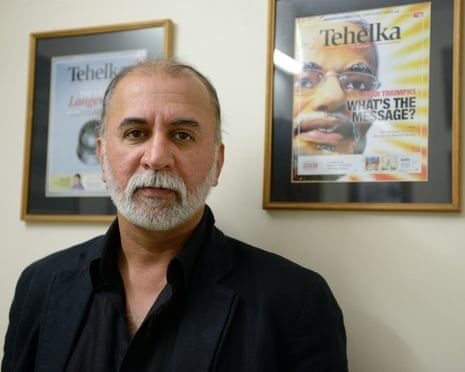
India's Bombay High Court has delivered a significant conviction in a closely watched sexual assault case, finding Tarun Tejpal, the 63-year-old founder and former editor of Tehelka magazine, guilty of raping a junior colleague. The verdict on Thursday represented a dramatic reversal of a 2021 trial court acquittal that had drawn criticism from women's rights advocates and disappointed observers of India's justice system. The case, which unfolded over more than a decade, involved allegations that Tejpal assaulted the woman in a lift at a five-star hotel in Goa during a November 2013 news event, an incident that triggered widespread outrage and intense public scrutiny of how India handles crimes against women in the workplace.
The journey through the courts underscores the challenges faced by sexual assault survivors navigating India's legal system, even when pursuing cases against high-profile figures. Tejpal was arrested following the 2013 incident and spent seven months in custody before securing bail from the Supreme Court. When the Goa trial court issued its acquittal in 2021, dismissing charges including rape, sexual harassment and wrongful restraint, the decision appeared to mark an end to the legal battle. However, the Goa government's decision to challenge the acquittal before the Bombay High Court proved pivotal, ultimately resulting in the conviction that many observers had hoped for years earlier.
The verdict carries substantial implications for workplace accountability and victim protection in Indian media and other professional sectors. Sunita Sawant, the Goa Police investigator who led the original probe, emphasised the significance of the outcome for broader workplace protection, noting that the case represented a moment when a woman had stood up for her rights and that the judgment held importance for all women working across various sectors of the economy. The conviction signals that persistent legal challenges and appeals can eventually yield justice, even after initial setbacks, though the multi-year process itself illustrates systemic delays that typically characterise sexual assault cases in India.
Tejpal continues to maintain his innocence and has indicated his intention to appeal the conviction in a higher court, suggesting the case will likely continue through India's judicial system for additional years. The timing of sentencing, originally scheduled for the same Thursday, would determine whether he faces imprisonment and for how long, outcomes that remain subject to potential modification through the appellate process. His legal team has already signalled that the fight over the allegations is far from concluded, reflecting a broader pattern in Indian jurisprudence where high-profile convictions frequently undergo extensive legal challenge.
The case emerged and evolved amid a critical period for India's approach to sexual violence. The 2013 incident occurred just months after the December 2012 fatal gang rape of a 23-year-old student aboard a New Delhi bus, an attack that catalysed nationwide protests, international condemnation, and prompted legislative reforms strengthening rape laws and criminal procedures. That high-profile tragedy had thrust India's handling of sexual assault into the global spotlight and created momentum for legal and institutional change. Tejpal's case, unfolding within this context of heightened awareness and activism, became emblematic of the difficulties women face when reporting assault, particularly against powerful men with resources to mount extensive legal defences.
The conviction inflicts particular symbolic damage because of Tehelka magazine's historical positioning and editorial identity. The publication had cultivated a reputation as a champion of investigative journalism, women's rights, and social justice causes throughout India. The revelation that its own founder and editorial leader had committed sexual assault against a staff member created a profound irony that undermined the magazine's credibility and moral authority on precisely the issues it had claimed to champion. This reputational collapse represented a cautionary tale about the gap between institutional values and individual conduct among leadership figures.
Tehelka's trajectory since 2013 reflects the lasting damage wrought by the scandal. Although the magazine continues to operate under new management and editorial direction, it has struggled to recover the influence, readership, and standing it previously enjoyed before the assault allegations and conviction became public. The publication's inability to regain prominence despite the founder's departure demonstrates how institutional reputation, once damaged by serious misconduct at the leadership level, proves extremely difficult to restore. Advertisers, readers, and professional peers have largely moved toward alternative news sources, a shift that underscores broader industry consequences of failing to maintain ethical standards.
The case also illustrates persistent challenges within Indian journalism regarding workplace safety and power dynamics. The fact that the assault allegedly occurred during a professional event at a high-end hotel highlights how spaces nominally dedicated to journalistic exchange can harbour vulnerability for junior staff, particularly women navigating hierarchical and often male-dominated newsrooms. The survivor's willingness to report the assault to police and pursue the case through years of legal proceedings, despite the power imbalance and professional consequences, demonstrated considerable courage within an environment where potential career repercussions might discourage reporting.
Looking forward, the conviction may encourage other survivors within journalism and other professions to come forward with allegations against powerful figures, knowing that persistence through the appeals process can yield results even after initial setbacks. The multi-year legal battle demonstrates that India's judicial system, while slow and sometimes frustratingly reversible, can ultimately hold even prominent figures accountable when cases are properly pursued. For Southeast Asian media professionals and those concerned with workplace accountability across the region, the case offers both cautionary and instructive lessons about maintaining ethical standards, protecting vulnerable staff members, and ensuring that organisational missions around justice and rights extend to internal conduct and workplace culture.

