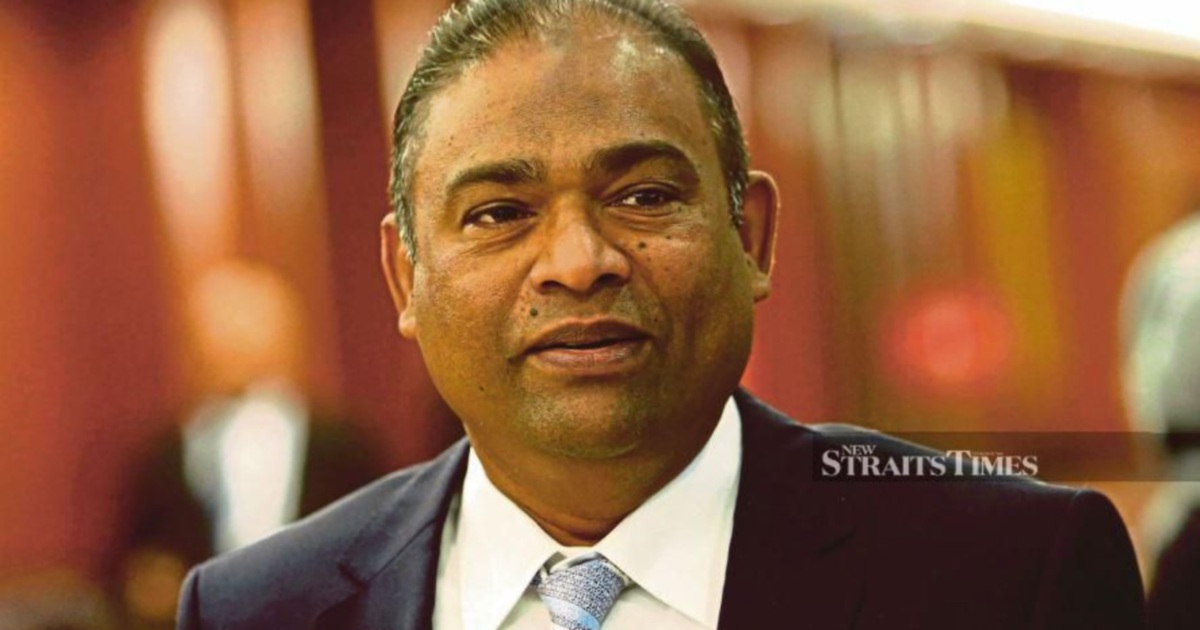
Reports circulating yesterday that former Tabung Haji chairman Datuk Seri Abdul Azeez Abdul Rahim had been apprehended by the Malaysian Anti-Corruption Commission are inaccurate, according to a statement from his son Mohamed Khairul Azman. The clarification came amid speculation that had begun spreading through various channels, prompting the family to issue a prompt response regarding the prominent businessman's status.
The distinction between an arrest and other forms of engagement with investigative authorities is an important one in Malaysia's anti-corruption framework. While the MACC frequently calls individuals for questioning as part of ongoing investigations, such actions do not necessarily constitute formal arrests. This clarification appears aimed at distinguishing between a routine investigative procedure and the more serious matter of being taken into custody.
Tabung Haji, formally known as the Lembaga Tabung Haji, holds significant importance within Malaysia's financial and religious landscape. The institution manages pilgrimage funds for Malaysian Muslims intending to perform the hajj, making its leadership positions matters of considerable public interest. Any developments involving current or former senior management naturally draw attention from stakeholders, regulators, and the media.
Datuk Seri Abdul Azeez's tenure as chairman of the organisation has been followed by public discourse regarding various administrative and financial matters. The institution itself has faced scrutiny in recent years, with various stakeholders expressing concerns about its operations and investment strategies. His recent involvement in any official investigation would therefore be noteworthy to those monitoring the pilgrimage fund's governance.
The timing of such clarifications reflects the contemporary information environment, where unverified claims can spread rapidly before accurate details emerge. In Malaysia's media landscape, swift responses from those directly involved or their representatives have become standard practice when inaccurate reports gain traction. This approach serves to protect reputations while establishing the factual record early in the news cycle.
The MACC, as Malaysia's primary anti-corruption agency, regularly conducts investigations across both public and private sectors. Its work involves calling witnesses, requesting documents, and conducting interviews as part of standard investigative protocols. The public often struggles to differentiate between these routine investigative steps and formal arrests, a distinction that carries significant legal and reputational implications.
For investors, fund members, and policymakers monitoring Tabung Haji's operations, maintaining clarity about the institution's leadership remains essential. Any uncertainty regarding senior officials' legal or regulatory standing can affect public confidence in the organisation's governance and financial management. The prompt clarification therefore serves not only the individual's interests but also contributes to broader institutional stability.
This incident underscores broader governance questions that continue to affect Malaysia's major public institutions. How information flows from investigative agencies, how the media interprets and reports such developments, and how individuals respond to allegations all factor into public trust in both institutional integrity and the accuracy of news reporting. The clarification mechanism, while necessary, also highlights potential gaps in initial information availability.
The situation illustrates the heightened scrutiny facing Malaysia's pilgrimage fund at a time when questions about investment performance, administrative costs, and shareholder returns remain subjects of public debate. Leadership stability and clear regulatory standing become factors that stakeholders monitor closely. Whether further developments emerge from any investigations involving current or former Tabung Haji officials may depend on factors beyond public view at present.
Going forward, the status of Datuk Seri Abdul Azeez and any ongoing investigations will likely remain subjects of public interest. The clarification from Mohamed Khairul Azman addresses one specific aspect of the broader narrative, but questions about governance, regulation, and institutional performance at Tabung Haji continue to merit attention from policymakers, investors, and the general public.

