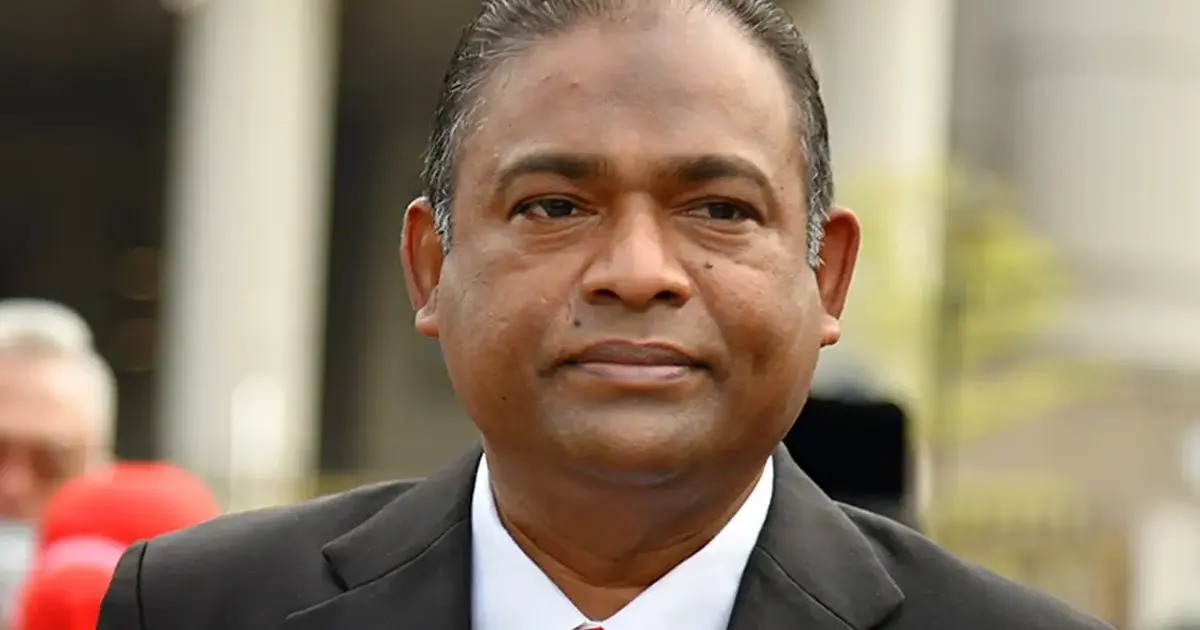
Speculation surrounding the possible detention of Abdul Azeez Abdul Rahim, the former chairman of Tabung Haji and once-serving MP for Baling, has been circulating extensively across social media platforms since late evening, prompting his family to publicly refute the claims. The son of the veteran politician stepped forward to categorically deny that his father had been apprehended by authorities, addressing concerns that had rapidly snowballed in online discussions throughout the night.
The unsubstantiated reports had gained considerable momentum online, with numerous users sharing and reposting claims without verification, a common pattern in the Malaysian digital landscape where institutional accountability figures frequently become subjects of rumour and conjecture. Such incidents underscore the challenges facing the country's information ecosystem, where false narratives can spread faster than official clarifications, particularly when they involve prominent political and business personalities who have held positions of significant public trust.
Abdul Azeez Abdul Rahim served as the head of Tabung Haji, Malaysia's pilgrimage savings fund, during a period that coincided with growing scrutiny of the institution's management practices and investment strategies. His tenure at the Islamic finance organisation placed him at the centre of numerous corporate governance discussions, particularly following various controversies and performance-related issues that affected the fund's operations and reputation among the Muslim community that depends on it for managing their holy pilgrimage savings.
The timing of such rumours often reflects broader anxieties about institutional integrity and anti-corruption enforcement in Malaysia. The Malaysian Anti-Corruption Commission, or MACC, has intensified its investigative activities across multiple sectors in recent years, leading to heightened public awareness about potential legal consequences for those in positions of authority. This heightened vigilance, while necessary for accountability, has also contributed to a climate where speculation about high-profile detentions becomes newsworthy enough to dominate social media feeds.
The rapid dissemination of unverified information about public figures highlights a critical gap between what citizens wish to believe about institutional oversight and the actual legal proceedings that unfold behind closed doors. When families or representatives feel compelled to issue public statements denying arrest rumours, it signals a breakdown in how information flows from official channels to the general population, leaving citizens to piece together narratives from fragmented reports and hearsay.
Abdul Azeez Abdul Rahim's political career in Baling, a parliamentary constituency in Kedah with significant rural and urban constituencies, placed him in regular contact with constituents and local administrative bodies. His subsequent appointment to lead Tabung Haji represented a transition from electoral politics to the institutional management of Islamic finance, a sector that touches the lives of millions of Malaysian Muslims who contribute regularly to ensure they can undertake the Hajj pilgrimage.
For many Malaysians, Tabung Haji carries not merely financial but deeply spiritual significance, making any leadership or governance issues at the institution matters of widespread public concern. The institution's performance directly impacts the religious and personal aspirations of contributors, creating a heightened level of public interest in how its leadership conducts its fiduciary responsibilities and responds to oversight mechanisms.
The spread of arrest rumours without substantiation also reflects how institutional trust intersects with digital culture in Malaysia. When major figures face unverified allegations, the public's response often hinges on pre-existing perceptions of whether regulatory bodies are functioning effectively or whether influential individuals enjoy preferential treatment. These perceptions, whether grounded in documented facts or shaped by selective media coverage, significantly influence how citizens interpret news about accountability and enforcement.
The denial issued by the family serves as an important correction in the public record, yet it also raises questions about why such specific rumours gain traction in the first place. Understanding the sources and motivations behind such claims could provide insights into larger patterns of information warfare, political positioning, or institutional tensions that periodically surface in Malaysian public discourse. These moments, though often dismissed as mere social media noise, frequently contain kernels of genuine institutional or political developments that merit careful scrutiny from credible news sources.

