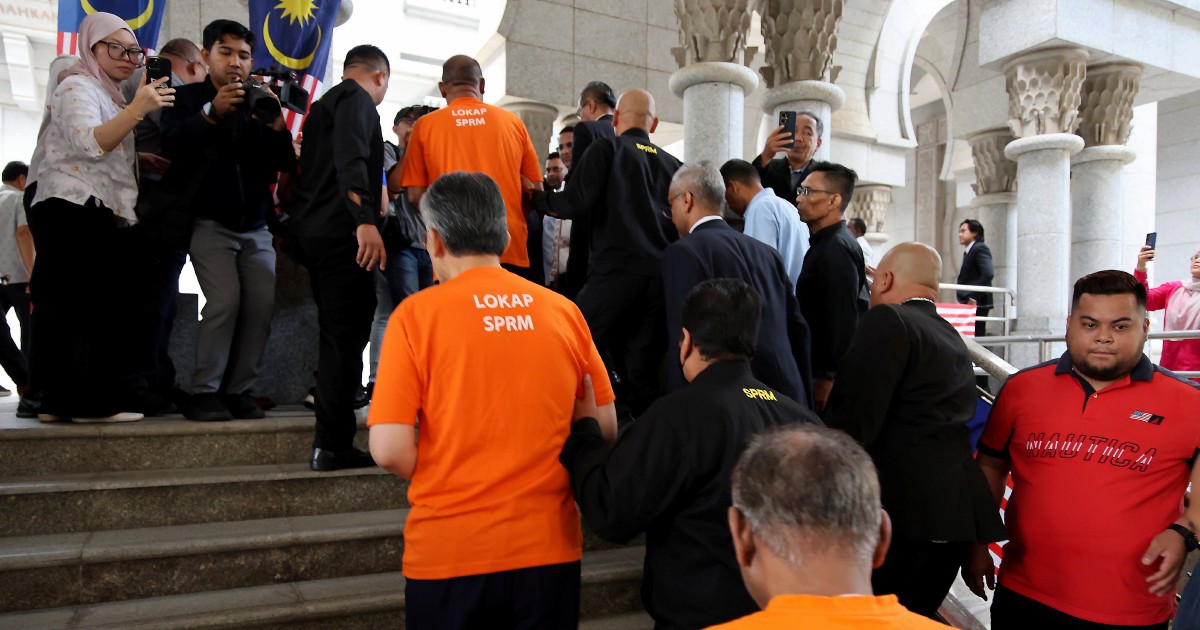
The Malaysian Anti-Corruption Commission successfully applied for a four-day extension of remand against a former chief executive officer of Tabung Haji in Putrajaya today, marking a significant development in an ongoing investigation into the fund's operations. The decision by the court reflects the seriousness with which authorities are treating the case and suggests investigators require additional time to pursue multiple lines of inquiry relating to the former executive.
Tabung Haji, officially known as the Lembaga Tabung Haji Malaysia, stands as one of Malaysia's most significant financial institutions, entrusted with managing savings and investments for millions of Muslim Malaysians preparing for the pilgrimage to Mecca. The fund's reputation and governance structures have come under intense scrutiny in recent years, particularly following revelations of substantial investment losses and allegations of mismanagement. The detention of a former top executive underscores the depth of official concern regarding institutional failures at the highest levels.
The reference to an RCI probe indicates that a Royal Commission of Inquiry has been established to examine specific aspects of Tabung Haji's operations. Royal Commissions in Malaysia carry considerable weight and typically signal that issues have reached a level requiring formal, comprehensive investigation beyond standard regulatory oversight. Such inquiries often precede criminal proceedings and generate detailed findings that can inform broader policy reforms within the financial sector.
The extension of remand periods in corruption cases typically occurs when investigators believe they have not yet completed their questioning of the suspect or require time to verify information obtained during interrogation. The MACC's success in obtaining court approval for this extension suggests that magistrates found sufficient grounds to believe that further detention would serve investigative purposes. Malaysian courts apply a relatively stringent test before granting such extensions, requiring evidence that the suspect's continued custody is necessary and that investigation cannot adequately proceed otherwise.
For Malaysian citizens and residents with funds held at Tabung Haji, this development carries direct implications regarding the security and management of their savings. Many ordinary Malaysians place considerable trust in the institution as a dedicated pilgrimage fund manager, making governance failures particularly consequential. Questions surrounding how executives managed investments, approved major transactions, and oversaw risk management directly affect the financial security of these vulnerable account holders who depend on the fund's integrity.
The pilgrimage fund has faced mounting public concern following reported losses exceeding RM1 billion in recent years, losses that significantly eroded the value of accounts and forced revisions to management strategies. These financial deteriorations occurred during the tenures of several executive officers, making investigations into decision-making processes and accountability at executive level essential to understanding how such substantial losses were permitted to accumulate. The current remand extension suggests authorities may be uncovering documentation or evidence implicating the former CEO in significant transactions or approvals.
Within Malaysia's wider governance landscape, the case reflects ongoing efforts by anti-corruption authorities to pursue high-level financial misconduct. The MACC has intensified its focus on institutional corruption within government-linked companies and religious trust funds, recognising that such entities handle substantial public resources and command widespread public confidence. Successful investigations and prosecutions of senior executives serve as important deterrents and reinforce accountability standards throughout the financial sector.
The investigation's connection to an RCI process suggests that findings may ultimately inform legislative or regulatory reforms applicable across the industry. Previous Royal Commission investigations into Malaysian institutions have led to significant changes in governance frameworks, disclosure requirements, and investment oversight mechanisms. The eventual recommendations emerging from this inquiry could reshape how pilgrimage funds and similar institutions operate, potentially affecting risk management, investment approval processes, and executive accountability structures.
From a regional perspective, Malaysia's handling of high-profile financial misconduct cases within major state institutions maintains confidence in the country's governance standards. Investors and international observers monitor how authorities pursue such investigations and whether systems genuinely hold senior figures accountable. Transparency in these processes and evident commitment to investigating institutional failures contribute to broader perceptions of Malaysia's institutional resilience and rule of law commitments.
The case also highlights broader questions about the oversight mechanisms governing major Malaysian funds entrusted with public resources. Effective governance requires robust independent oversight, transparent investment decision-making, and clear accountability for significant transactions. Whether existing regulatory frameworks proved adequate to detect and prevent the problems that emerged will likely feature prominently in investigative findings and subsequent policy discussions.
As questioning proceeds during the extended remand period, investigators will likely focus on specific transactions, investment decisions, and internal approvals that contributed to reported losses. The former CEO may be confronted with documentary evidence, testimony from colleagues, and expert analysis regarding whether management actions aligned with fiduciary responsibilities owed to account holders. The outcome of these investigations will substantially influence public confidence in the institution moving forward and determine whether criminal charges proceed.

