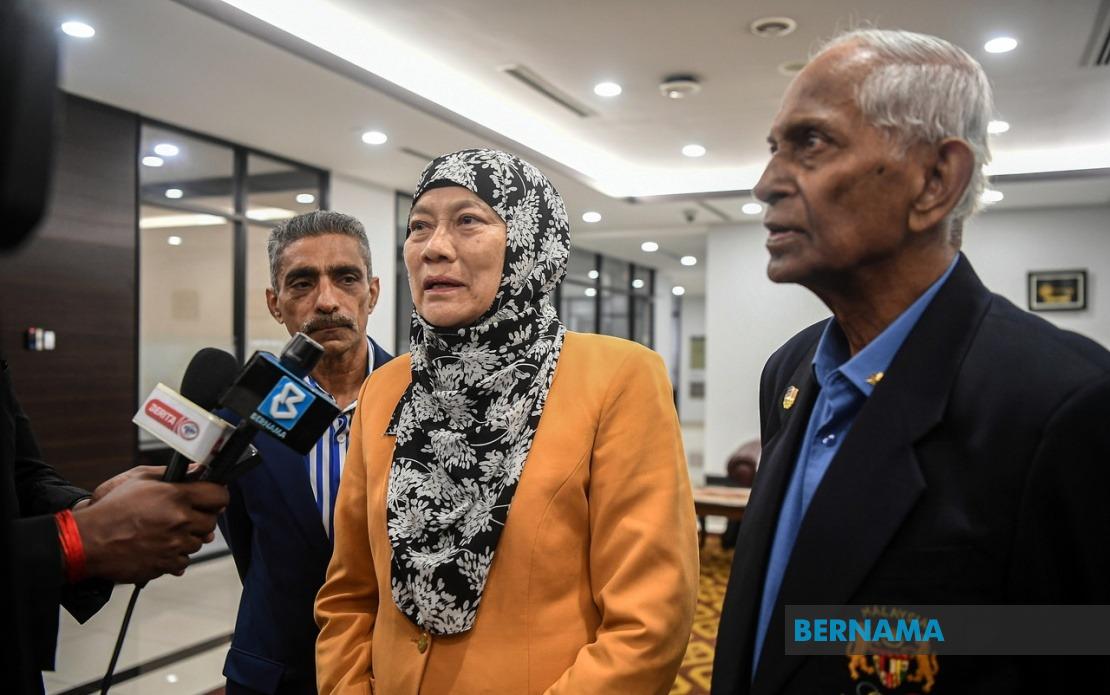
Former Sports Commissioner Datuk Zaiton Othman has sounded an urgent alarm over Malaysia Athletics' governance deficiencies, cautioning the national federation that failure to align with international standards risks severe sanctions that could undermine the country's sporting ambitions. Speaking after a meeting with Youth and Sports Minister Dr Mohammed Taufiq Johari at Parliament, Zaiton stressed the critical importance of bringing Malaysia Athletics into full compliance with the World Athletics constitution and guidelines, warning that any regulatory breaches could trigger suspension or cancellation of the federation's registration status.
The stakes for Malaysian sport are particularly high given the federation's responsibilities as host for the 2027 Southeast Asian Games. Athletics traditionally ranks among the medals-rich disciplines at SEA Games competitions, competing only with swimming and shooting in terms of contribution to a nation's medal tally. Should Malaysia Athletics face suspension from World Athletics, the practical implications would be devastating: the country would be unable to organise track and field events at its own regional games, and Malaysian athletes would be barred from competing in any international athletics competitions sanctioned by the global governing body. Such an outcome would represent an extraordinary embarrassment for a host nation.
The governance crisis at Malaysia Athletics has its roots in long-standing constitutional conflicts between the national federation and World Athletics. Zaiton, herself a decorated former national athlete who earned the nickname 'Iron Woman' during her heptathlon career, emphasised that the reform initiative undertaken by the Reformation in Sports and Excellence (RISE) group—of which she is a representative—stems from genuine concern among the athletics community. Accompanying her in the parliamentary meeting were Olympian Datuk Karu Selvaratnam and Datuk Noorul Ariffin Abdul Majeed, former chairman of the National Athletes Welfare Foundation, underscoring that this is not a bureaucratic exercise but an effort driven by respected figures who have dedicated their lives to Malaysian sport.
The immediate trigger for intensified concern has been the extended absence of Malaysia Athletics president Karim Ibrahim from his leadership duties. Last month, Ibrahim took formal leave from his presidential responsibilities ahead of the federation's scheduled Annual General Meeting later in June, explicitly to create space for constitutional amendments that would bring Malaysia Athletics into alignment with World Athletics standards. This manoeuvre suggests acknowledgment within the federation itself that significant realignment is necessary, though it has also raised questions about the pace and thoroughness of reform efforts.
Karim's own history complicates the governance landscape. He was suspended by World Athletics in 2018—a suspension later upheld by the Court of Arbitration for Sport (CAS)—which raised significant credibility questions about his continued leadership. Despite this disciplinary action, Karim has retained eligibility to serve on the Asian Athletics Federation Executive Council for the 2019-2023 term, a technicality that maintains his influence within the continental structure even as his domestic position remains contested. This contradictory status—suspended by the world body yet active in continental affairs—exemplifies the structural confusion plaguing Malaysian athletics governance.
The scale of athletics' importance to Malaysia's SEA Games performance cannot be overstated. Track and field events at these regional competitions offer 47 gold medals across various disciplines, with headline events including the marquee 100-metre races and the prestigious 4x100-metre relay quarters. These are precisely the categories where Malaysian audiences expect strong performances and medal contributions. A governance crisis that prevents Malaysia from even hosting these events would represent a fundamental failure of stewardship, casting doubt on the nation's capacity to deliver on its SEA Games commitments.
Zaiton's intervention, made through the RISE framework and formalised through consultation with the youth and sports ministry, underscores a critical reality: Malaysian sports governance cannot be left entirely to sport federations operating in isolation. While she acknowledged that the government cannot directly interfere in the administrative operations of sports associations, she pointed to the Sports Development Act 1997 as providing the ministry and Sports Commissioner with legitimate authority to enforce compliance and ensure that federations operate within established regulatory frameworks. This represents a delicate balance between autonomy and accountability, one that appears to have tilted too far towards autonomy in recent years.
The concern articulated by Zaiton and her delegation reflects broader anxieties within Malaysia's athletics ecosystem about the relationship between institutional dysfunction and athlete performance. Governance problems are not merely bureaucratic inconveniences; they create uncertainty, undermine confidence, and distract talented athletes from their primary focus on training and competition. When athletes and former Olympians feel compelled to lobby government ministers over federation governance, it signals that the sport's internal mechanisms have failed to self-correct. The fact that multiple respected figures from Malaysia's sporting history converged on Parliament in June to address these issues indicates the depth of concern.
The athletics community's intervention also reflects learning from other crises in Malaysian sports administration. In recent years, several national sports bodies have faced international sanctions, regulatory challenges, and reputational damage stemming from governance failures. The proactive stance taken by Zaiton and others suggests determination to prevent Malaysia Athletics from following the same trajectory. Their message to the federation is unambiguous: constitutional amendments must be completed, World Athletics guidelines must be embraced without reservation, and the federation must demonstrate genuine commitment to international standards rather than seeking workarounds or technical exceptions.
The upcoming Annual General Meeting at Malaysia Athletics represents a critical juncture. The proposed constitutional amendments must be comprehensive, addressing not merely the surface-level text of the federation's governing documents but the substantive alignment of processes, decision-making structures, and leadership accountability with World Athletics standards. Partial measures or cosmetic changes would likely prove insufficient to satisfy international scrutiny and would leave the federation vulnerable to continued pressure. The athletics community, government oversight bodies, and World Athletics itself will be watching closely to assess whether these reforms represent genuine systemic change or merely damage control.
For Malaysian athletes preparing for international competition and particularly those eyeing the 2027 SEA Games, the resolution of these governance issues cannot come soon enough. Athletic training requires stability, institutional support, and the certainty that national records and international competition opportunities will remain available. A federation operating under the cloud of potential suspension creates exactly the opposite environment. The coming weeks will determine whether Malaysia Athletics can undertake the necessary reforms to move beyond this crisis and restore confidence among athletes, administrators, and international partners that the sport is being managed with the professionalism and integrity that Malaysian athletics deserves.