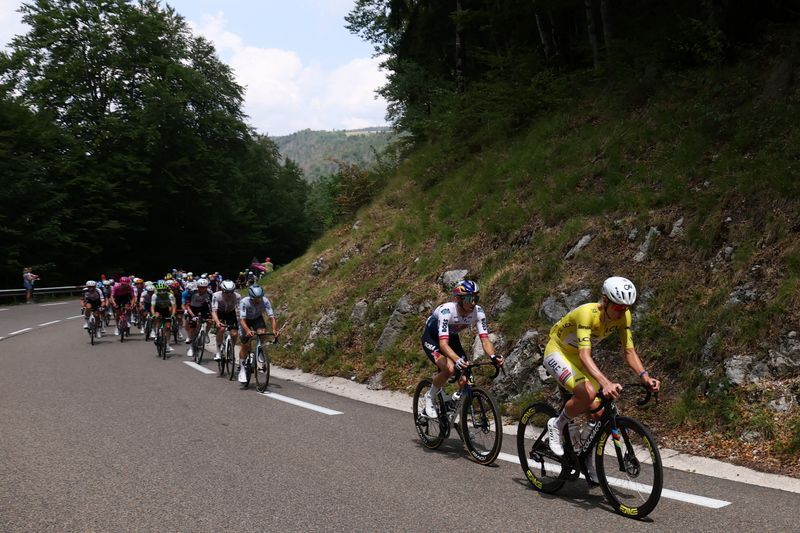
A prominent cycling figure has waded into the contentious debate over early-morning anti-doping controls at the Tour de France, contending that unannounced tests conducted before dawn could have prevented one of sports' most damaging scandals had they existed during the sport's darkest period. Jonathan Vaughters, a former professional rider who now leads the Cannondale-EF team, articulated this view as elite competitors complained bitterly about the disruption to their sleep caused by mandatory testing in the pre-dawn hours during the most grueling stages of the prestigious race.
The controversy erupted after riders competing in the 15th stage were roused from sleep at extremely early hours for surprise doping examinations. Race leader Tadej Pogacar and second-placed Jonas Vingegaard both experienced these unannounced checks, sparking a broader conversation about whether such practices constitute an unfair burden on competitors and potentially compromise their physical safety during subsequent racing. The unexpected nature of the tests and their timing created significant disruption, with athletes questioning whether the anti-doping authorities had crossed an ethical line in pursuit of cleaner competition.
Vaugthers brought credibility to the pro-testing argument through his direct experience combating cycling's systemic doping problems. Taking to social media, he emphasized that early-morning examinations represent one of the most effective countermeasures against sophisticated performance-enhancement schemes. He specifically highlighted peptide-based substances including erythropoietin (EPO), human growth hormone (hGH), and testosterone administered in micro-doses—precisely the type of doping that authorities have struggled to detect through conventional testing protocols. His assertion that these tests could have dismantled the entire blood-doping apparatus had been employed decades earlier carried particular resonance given his standing within the sport.
The weight of Vaughters' testimony stems directly from his intimate involvement in cycling's most notorious doping conspiracy. As a professional rider during the late 1990s and early 2000s, he served as a teammate to Lance Armstrong on the United States Postal Service team during the period when Armstrong and the organization were allegedly engaged in systematic doping. Rather than continue denying involvement, Vaughters subsequently acknowledged that he had used performance-enhancing substances, including EPO, throughout his competitive career. This admission, combined with his testimony during the United States Anti-Doping Agency's comprehensive investigation into Armstrong, positioned him as someone who understood the mechanics of sophisticated cheating schemes.
The Armstrong case itself underscores why authorities take such aggressive measures against doping. The former champion was stripped of seven Tour de France titles in 2012 following USADA's determination that he had orchestrated what the agency characterized as the most elaborate and technologically advanced doping program the sport had ever witnessed. The scandal cast a shadow across professional cycling for more than a decade, damaging the sport's credibility and prompting fundamental reforms in how anti-doping enforcement operates globally. Armstrong's fall from grace demonstrated that without aggressive testing protocols, elite cyclists could evade detection for years while competing at the highest level.
Vaugthers channeled this cautionary history into his defense of pre-dawn testing, asserting that if such measures had been implemented in 2001, the entire competitive landscape would have fundamentally changed. He suggested that systematic testing at 2 a.m. would have resulted in mass suspensions across the professional peloton, effectively terminating the blood-doping era before it devastated the sport's reputation. This counterfactual argument carries weight because it acknowledges the pervasiveness of the problem—suggesting that doping was not confined to Armstrong's team but represented industry-wide practice during that era. Such an admission, coming from someone who participated in that system, provides uncomfortable but valuable perspective on the scale of the challenge anti-doping authorities faced.
Despite Vaughters' defense, top riders have articulated serious objections to the testing regime. Vingegaard, the second-placed competitor tested at 2 a.m., reported losing approximately 40 minutes of sleep before a mountain stage during which he subsequently crashed and suffered a broken collarbone. Pogacar, subjected to testing at 5 a.m., indicated he managed only four hours of sleep before facing demanding racing conditions. Remco Evenepoel, who won the contested stage, characterized the practice as "inhuman," reflecting broader frustration among the world's best cyclists about the physical and competitive costs of such disruption.
The International Testing Agency, which administers doping controls under the Union Cycliste Internationale's supervision, acknowledged the challenging balance between effective detection and athlete welfare. The organization stated it remains mindful that nighttime testing may interfere with riders' rest and recovery, but insisted that genuinely effective anti-doping measures must occasionally extend into unconventional hours when circumstances warrant such action. This position reflects a fundamental tension in sports governance: the obligation to maintain competitive integrity and fairness sometimes conflicts with athlete welfare and reasonable accommodation of physical demands.
The scientific rationale underlying early-morning testing centers on the pharmacokinetics of micro-dosed substances. Compounds such as EPO and human growth hormone can substantially diminish within the bloodstream within hours of administration, making them exceptionally difficult to detect through standard testing windows. Anti-doping authorities have long recognized that predictable daytime-only testing regimens inadvertently create windows of opportunity for sophisticated cheaters to administer performance-enhancing substances while evading detection. This cat-and-mouse dynamic has pushed testing authorities toward increasingly unpredictable schedules and timing protocols.
For Southeast Asian readers and cycling enthusiasts in the region, this debate carries implications beyond professional sport. The Tour de France remains one of the most prestigious athletic competitions globally, and its handling of anti-doping issues influences how cycling federations across Asia approach governance and testing protocols. Malaysia and other regional cycling bodies look to professional cycling's institutional practices when developing their own anti-doping frameworks. Additionally, the conversation raises broader questions about balancing athlete welfare with competitive integrity—issues that resonate across multiple sports and jurisdictions.
Vaugthers' subsequent career path provided another dimension to his credibility on these matters. After acknowledging his doping history and cooperating with investigations, he founded the team organization now operating as Cannondale-EF, deliberately positioning it as a leading advocate for clean racing practices. This rehabilitation—moving from participant in systematic doping to institutional reformer—demonstrates that redemption remains possible within professional sport when individuals take responsibility for past actions and work constructively toward systemic change. His current stance on pre-dawn testing thus reflects not merely historical perspective but an ongoing commitment to transforming cycling's culture.
The Tour de France controversy ultimately reflects broader institutional struggles within professional cycling to balance multiple competing objectives: detecting sophisticated doping schemes, protecting athlete health and welfare, maintaining competitive fairness, and preserving the sport's credibility with global audiences. Vaughters' defense of pre-dawn testing suggests that truly effective anti-doping measures may necessarily impose costs on athletes, presenting authorities with difficult choices about acceptable trade-offs. As the sport continues evolving, these debates will likely intensify rather than resolve, particularly as scientific understanding of performance enhancement and detection capabilities advance in parallel.

