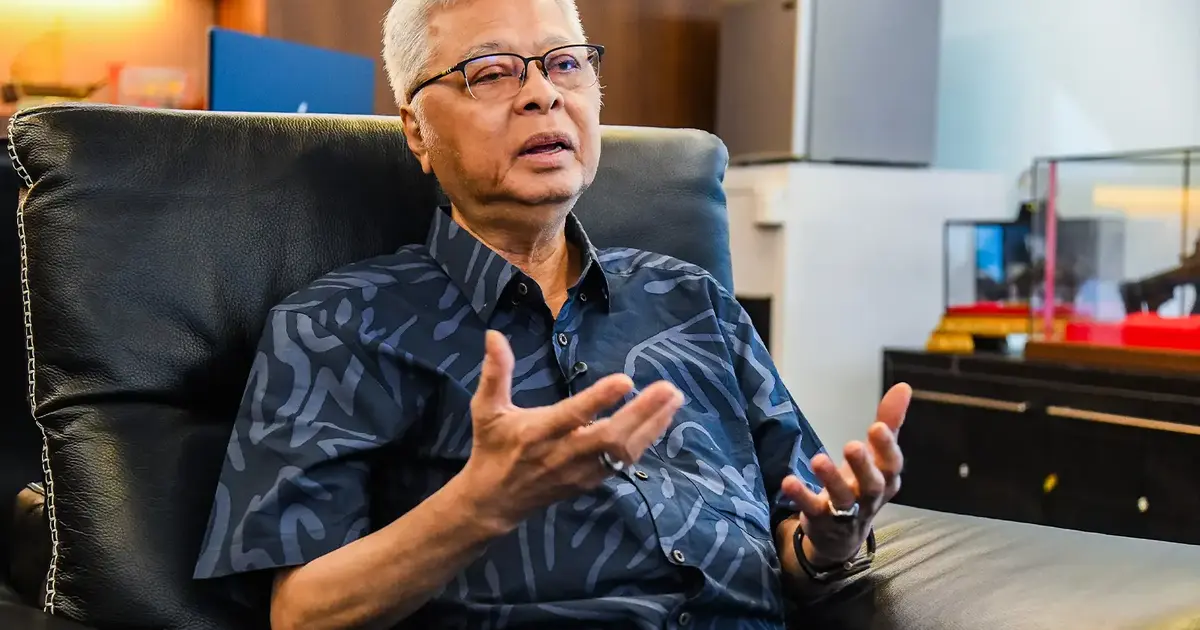
Former Prime Minister Ismail Sabri Yaakob is set to make a high-profile court appearance tomorrow as he faces corruption-related charges that represent a fresh blow to Malaysia's beleaguered political establishment. The proceedings will take place before Sessions Court judge Suzana Hussin, beginning at 9am, marking another watershed moment in the country's ongoing struggle with governance standards.
The timing of Ismail Sabri's court date comes amid a broader reckoning with corruption in Malaysian politics, where several high-profile figures have faced legal consequences in recent years. As a former UMNO vice-president and the country's third Prime Minister during the 2021-2022 period, his case carries particular weight within the ruling coalition and signals that no position, however elevated, offers immunity from scrutiny by the anti-corruption authorities.
Ismail Sabri's tenure as Prime Minister was notably brief, lasting just eight months before his government collapsed due to internal party divisions and defections. His leadership period was overshadowed by economic challenges and political instability, issues that would soon become eclipsed by the legal troubles now confronting him. The circumstances surrounding his appointment and subsequent fall from power illustrated the fractious nature of Malaysian politics during that period.
The charges he will face tomorrow represent the culmination of an investigation into his financial dealings and alleged misuse of authority. The Malaysian Anti-Corruption Commission, which has shown increased assertiveness in recent years, has pursued the case methodically through the legal system. Such prosecutions, regardless of political affiliation, demonstrate the institution's commitment to accountability, though observers note that the pace and scope of investigations have sometimes varied based on political considerations.
Within UMNO, Ismail Sabri's legal predicament adds another layer of complexity to an already fractious party hierarchy. The Malay-Muslim dominant party, which ruled Malaysia for six decades until 2018, has been roiled by internal conflicts and competing claims to legitimacy. Several senior UMNO figures currently face various charges or investigations, creating an environment where party unity has fractured around competing power bases and personal interests.
For the broader Malaysian political ecosystem, the case underscores the vulnerability of establishment figures and suggests that the momentum toward accountability, however inconsistently applied, continues to shape the country's political calculus. Politicians at all levels now operate with heightened awareness that past financial transactions and decisions may invite official scrutiny, potentially influencing behaviour and policy choices.
The court appearance will likely attract significant media attention given Ismail Sabri's previous position as head of government. His handling of national challenges during the pandemic period and his subsequent political manoeuvres have made him a subject of continued public interest. The outcome of these charges could have ripple effects throughout UMNO's internal dynamics and influence coalition politics as Malaysia approaches future electoral contests.
For Southeast Asian observers, the case exemplifies the region's complex relationship with corruption prosecutions, where legal processes sometimes intertwine with political motivations and rivalries. Malaysia's experience demonstrates both the necessity of anti-corruption institutions and the challenges they face in maintaining credibility when political considerations potentially influence their operations.
The Sessions Court hearing tomorrow represents not merely a legal proceeding but a moment of broader political significance for Malaysia. How the case unfolds will carry implications for public confidence in institutions, party politics within UMNO, and the government's overall commitment to accountability standards. As the nation continues navigating post-pandemic recovery and political consolidation, matters of governance integrity remain central to building public trust and ensuring stable institutional functioning.

