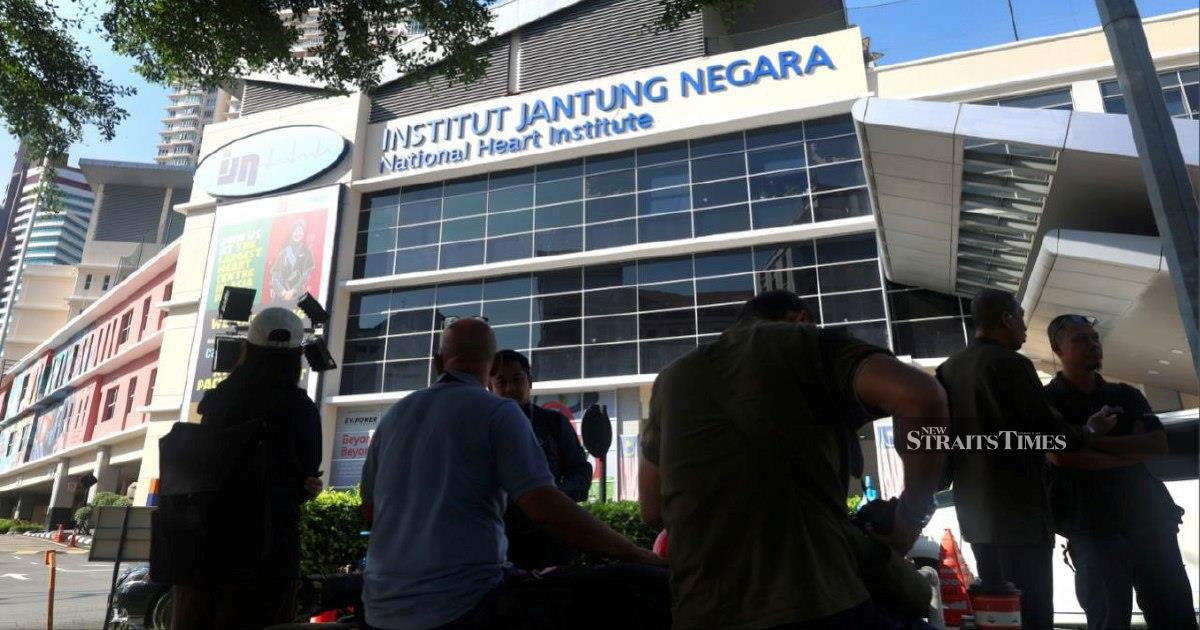
Former Prime Minister Datuk Seri Ismail Sabri Yaakob is scheduled to undergo cardiac surgery today following the diagnosis of an irregular heartbeat. The 66-year-old politician will have a pacemaker implanted at the National Heart Institute (IJN) in Kuala Lumpur, according to a statement released by his legal team. The procedure marks a significant health development for one of Malaysia's recent political leaders, who served as Prime Minister from 2021 to 2022.
The National Heart Institute, Malaysia's premier cardiac care facility, specialises in complex electrophysiological procedures such as pacemaker insertion. This type of intervention is commonly recommended for patients experiencing arrhythmias—variations in heartbeat rhythm that can range from mildly inconvenient to potentially dangerous. Pacemakers work by monitoring the heart's electrical activity and delivering controlled impulses to maintain a regular, steady beat when the heart's natural rhythm becomes erratic.
Arrhythmias, particularly atrial fibrillation and other irregular heartbeat patterns, become increasingly prevalent with advancing age and can be triggered by various underlying conditions. While some patients experience symptoms such as dizziness, shortness of breath, or chest discomfort, others discover the condition during routine medical examinations. The decision to implant a pacemaker typically follows comprehensive diagnostic testing, including electrocardiograms and extended monitoring, to determine the severity and pattern of the irregularity.
Ismail Sabri's health situation reflects broader demographic trends across Southeast Asia, where cardiovascular diseases remain among the leading causes of mortality and morbidity. Malaysia has seen increasing prevalence of heart conditions linked to ageing populations, lifestyle changes, and rising rates of hypertension and diabetes. The profile of a former senior government official undergoing such a procedure also brings public attention to preventive cardiac care and the importance of regular health monitoring among Malaysia's aging leadership cohort.
The former Prime Minister's brief tenure from August 2021 to November 2022 occurred during a particularly turbulent period in Malaysian politics, characterised by coalition instability and parliamentary divisions. His government faced challenges navigating post-pandemic economic recovery while managing internal political pressures that eventually led to his successor's assumption of office. Since leaving the premiership, Ismail Sabri has maintained a relatively lower public profile while remaining active in parliamentary and party politics.
Pacemaker surgery is considered a routine procedure in modern cardiology, typically performed under local anaesthesia with sedation. The device, which is usually implanted beneath the collarbone, requires minimal incision and recovery periods are generally measured in weeks rather than months. Most patients resume normal daily activities relatively quickly following the procedure, though strenuous activity may be restricted initially to ensure proper device function and incision healing.
The timing and announcement of the procedure through his legal representatives suggest a deliberate approach to managing the information flow surrounding his health situation. In Malaysia's political environment, where public perception and health considerations can influence political dynamics, such announcements are carefully calibrated. The decision to inform the public through formal channels reflects both transparency and the appropriate handling of personal medical information by public figures.
From a broader Southeast Asian perspective, the incident underscores the accessibility of advanced cardiac care within the region. The National Heart Institute represents Malaysia's commitment to maintaining world-class medical facilities capable of treating complex cardiovascular conditions. This capability has made Malaysia a medical tourism destination for regional patients seeking specialised cardiac interventions at competitive costs compared to developed nations.
The implantation of a pacemaker does not typically necessitate a career-ending health crisis or significant political implications, unless complications arise or the underlying condition proves more serious than initially assessed. Many prominent international political figures have successfully managed their duties while living with implanted cardiac devices. The primary concern for any patient undergoing such a procedure involves ensuring proper post-operative recovery and continued medical oversight to monitor device performance and overall cardiovascular health.
For Malaysian readers and the broader Southeast Asian audience, Ismail Sabri's experience serves as a reminder of the importance of cardiovascular health screening, particularly for individuals in high-stress professions and advancing age groups. The normalisation of discussions around such procedures, when handled transparently by public figures, contributes to reducing stigma and encouraging others to seek appropriate medical evaluation when experiencing symptoms of cardiac irregularities.

