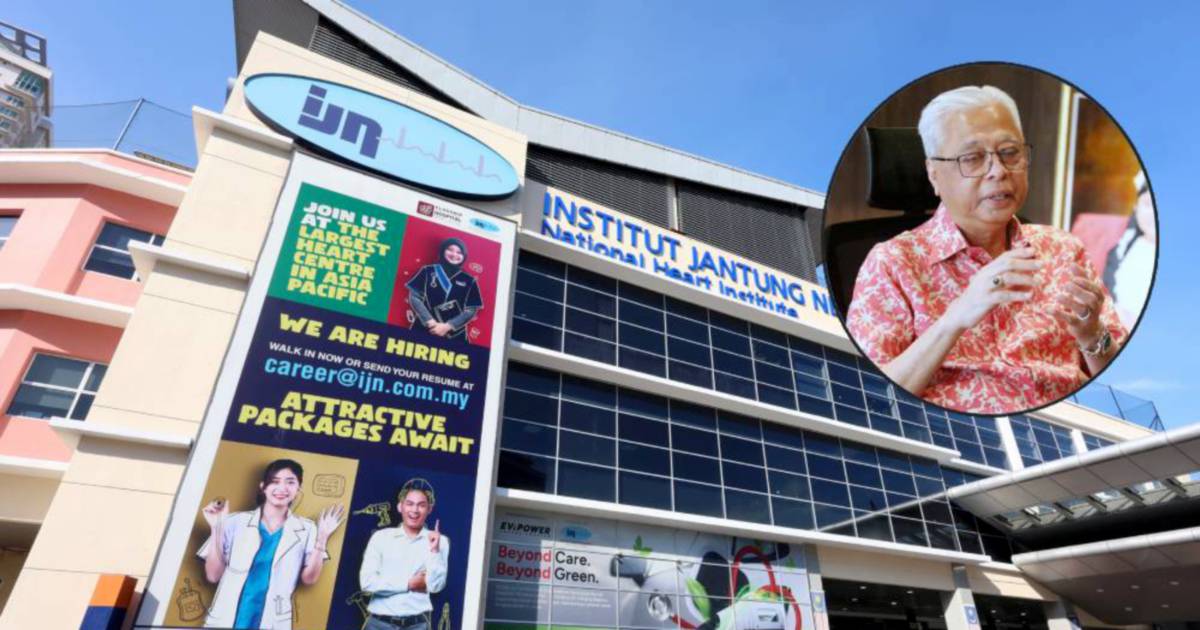
Former Prime Minister Datuk Seri Ismail Sabri Yaakob has made a successful recovery following a leadless pacemaker implantation procedure conducted at the National Heart Institute (IJN) in Kuala Lumpur. The cardiac intervention became necessary after the veteran politician was admitted to the institution with an abnormal heart rhythm, a condition requiring close monitoring and corrective treatment through advanced medical technology.
The choice of a leadless pacemaker represents the latest advancement in cardiac care. Unlike traditional pacemakers that require leads—thin wires carrying electrical impulses from the device to the heart—a leadless model is significantly smaller and functions without such connectors. This technological approach reduces complications associated with lead placement and maintenance, making it an increasingly popular choice among cardiologists worldwide for suitable candidates.
The National Heart Institute, Malaysia's premier cardiac centre, has consistently demonstrated expertise in managing complex heart conditions among high-profile patients. The successful execution of this procedure underscores the hospital's capability to perform sophisticated interventions using cutting-edge equipment. For many Malaysians and regional observers, the quality of IJN's care reflects positively on the nation's healthcare infrastructure and the availability of world-class medical facilities within the country.
Abnormal heart rhythm, medically termed arrhythmia, encompasses various conditions where the heart beats irregularly, too quickly, or too slowly. Such conditions can range from relatively benign to life-threatening, depending on the specific type and severity. Treatment approaches vary widely, from medication to surgical intervention, with pacemaker implantation being a proven solution when other therapies prove inadequate or unsuitable. Early detection and intervention are crucial to preventing complications such as stroke or heart failure.
The medical team at IJN has advised Ismail Sabri to prioritise rest and recovery during the post-operative period. This recommendation is standard protocol following pacemaker insertion, as the body requires time to adjust to the newly implanted device and for the incision site to heal properly. Patients typically face activity restrictions in the immediate aftermath, though these gradually ease as healing progresses and the physician confirms the device is functioning optimally.
Ismail Sabri's experience draws attention to cardiovascular health among Malaysia's political elite and public figures. Heart conditions do not discriminate based on social status or previous position, and high-stress professions—including politics—carry their own health implications. The former premier's medical situation serves as a reminder that even individuals accustomed to managing national affairs remain vulnerable to age-related and chronic health conditions requiring specialist intervention.
The leadless pacemaker technology used in the procedure represents significant progress in cardiac device engineering over the past decade. These devices are implanted directly within the heart's right ventricle, eliminating the need for tunnelling leads beneath the skin—a process that historically increased infection risk and required regular monitoring for lead fracture or displacement. The miniaturised nature of leadless devices also means less anatomical disruption and potentially easier future procedures if device replacement becomes necessary.
From a regional healthcare perspective, Malaysia's capability to conduct such advanced cardiac procedures domestically reduces the need for citizens to seek treatment abroad. This strengthens the nation's position as a healthcare destination and demonstrates the private and public sector's commitment to maintaining facilities and expertise at international standards. The successful treatment of prominent figures like Ismail Sabri at IJN reinforces confidence in local institutions among the general public.
Following discharge from IJN, Ismail Sabri will likely require follow-up appointments to ensure the pacemaker is functioning correctly and to monitor his overall cardiac status. Device checks typically occur every three to six months initially, then less frequently once stability is established. Patients must also adhere to certain lifestyle modifications and may need to continue cardiac medications alongside the pacemaker therapy.
The incident highlights the increasing prevalence of cardiac conditions globally, with ageing populations and lifestyle factors driving higher incidence rates. Early warning signs of abnormal heart rhythm—such as palpitations, dizziness, shortness of breath, or chest discomfort—warrant immediate medical attention. Public health awareness campaigns emphasising these symptoms remain important, particularly in Malaysia where cardiovascular disease remains among the leading causes of mortality.
Ismail Sabri's successful procedure also underscores the importance of preventive healthcare and regular screening, especially for individuals at risk due to age, family history, or existing conditions. Medical professionals increasingly recommend periodic cardiac check-ups for older adults, enabling early detection of problems before they become acute. The former prime minister's prompt hospitalisation and subsequent intervention exemplify the benefits of responsive healthcare management.
As Ismail Sabri begins his recovery journey, the episode reinforces broader conversations about healthcare accessibility and quality in Malaysia. While the former premier benefited from immediate access to IJN's specialist facilities, ensuring similar standards of cardiac care reach all Malaysians remains an ongoing public health priority. The successful outcome of his treatment at a domestic institution also demonstrates that citizens requiring advanced cardiac interventions need not routinely travel overseas for treatment.

