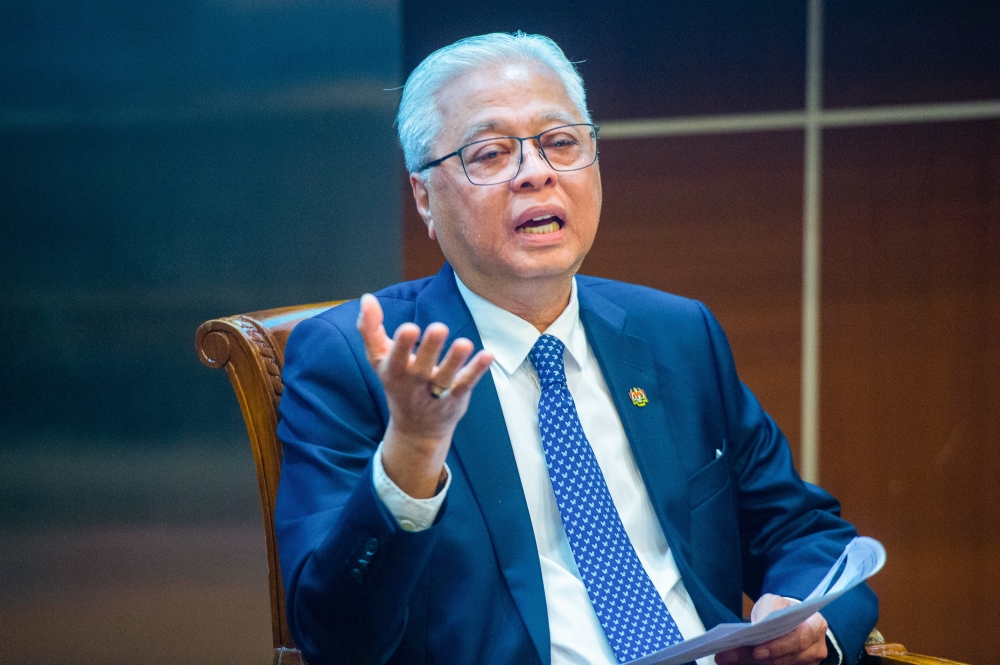
Former Prime Minister Datuk Seri Ismail Sabri Yaakob has been discharged from the Institut Jantung Negara (IJN) following an uncomplicated pacemaker implantation procedure, with medical authorities confirming his recovery is progressing normally.
The cardiac intervention, completed on August 7 at Malaysia's premier heart hospital in Kuala Lumpur, addressed an underlying cardiac condition requiring the insertion of a pacemaker to regulate his heartbeat. The 65-year-old political figure underwent the procedure as a precautionary measure to ensure continued stable heart function, a common intervention for individuals presenting with specific arrhythmias or conduction abnormalities.
Medical personnel at the IJN reported that the implantation was executed without complications and that Ismail Sabri's post-operative recovery met all clinical benchmarks for successful outcomes. His vital signs remained stable throughout the immediate recovery period, and he was cleared for discharge after the standard observation window required following such procedures.
The pacemaker implantation represents a significant medical milestone in cardiac care within Malaysia, underscoring the advanced capabilities available at domestic healthcare institutions. The IJN, established as a leading tertiary cardiac centre, continues to serve patients across the nation with procedures ranging from routine interventions to complex cardiac surgeries, demonstrating the maturity of Malaysia's healthcare infrastructure in treating heart-related conditions.
Ismail Sabri's health situation is not uncommon among individuals in their sixties, when cardiac issues become increasingly prevalent across all demographics. Pacemakers have become standard therapeutic devices for managing heart rhythm disorders, with implantation rates increasing globally as populations age and diagnostic capabilities improve. The procedure typically involves inserting a battery-powered device beneath the collarbone that sends electrical signals to maintain appropriate heart rhythm.
From a political perspective, the former premier's health event and successful treatment provide reassurance regarding the robustness of Malaysia's medical infrastructure and specialist capabilities. It also reflects the accessibility of world-class cardiac care within the country's public healthcare system, an achievement that has positioned Malaysia as a regional medical hub and destination for specialist treatment.
Ismail Sabri served as Prime Minister from August 2021 to October 2022, leading the government during a period marked by pandemic-related challenges and complex political negotiations. His tenure encompassed efforts to stabilise the nation's economy while managing a fragile parliamentary coalition, experiences that would have placed considerable physical and mental demands on his leadership.
The recovery process following pacemaker implantation typically involves a structured rehabilitation period where patients gradually resume normal activities under medical guidance. Ismail Sabri will likely follow standard post-operative protocols, which include restrictions on strenuous physical activity during the initial healing phase and regular follow-up appointments to monitor pacemaker functionality and overall cardiac health.
For the broader Malaysian public, this medical event underscores the importance of regular cardiac screening, particularly among middle-aged and older individuals. Many cardiac conditions remain asymptomatic until they reach critical stages, making routine health monitoring a crucial preventive measure. Public awareness campaigns highlighting the signs of heart disease and the availability of diagnostic services have become increasingly important as non-communicable diseases reshape Malaysia's health burden.
The IJN's successful management of Ismail Sabri's case exemplifies the institution's role in advancing cardiac healthcare standards across the region. With state-of-the-art equipment and highly trained specialists, the facility continues to attract both domestic and international patients seeking treatment for complex cardiac conditions, reinforcing Malaysia's position in Southeast Asia's medical sector.
Ismail Sabri's recovery story also carries implications for maintaining public confidence in the nation's healthcare system during a period when political transitions and leadership changes are part of ongoing democratic processes. The successful treatment and his stable condition demonstrate the continuity and professional dedication of Malaysia's medical institutions, regardless of political circumstances affecting the broader society.

