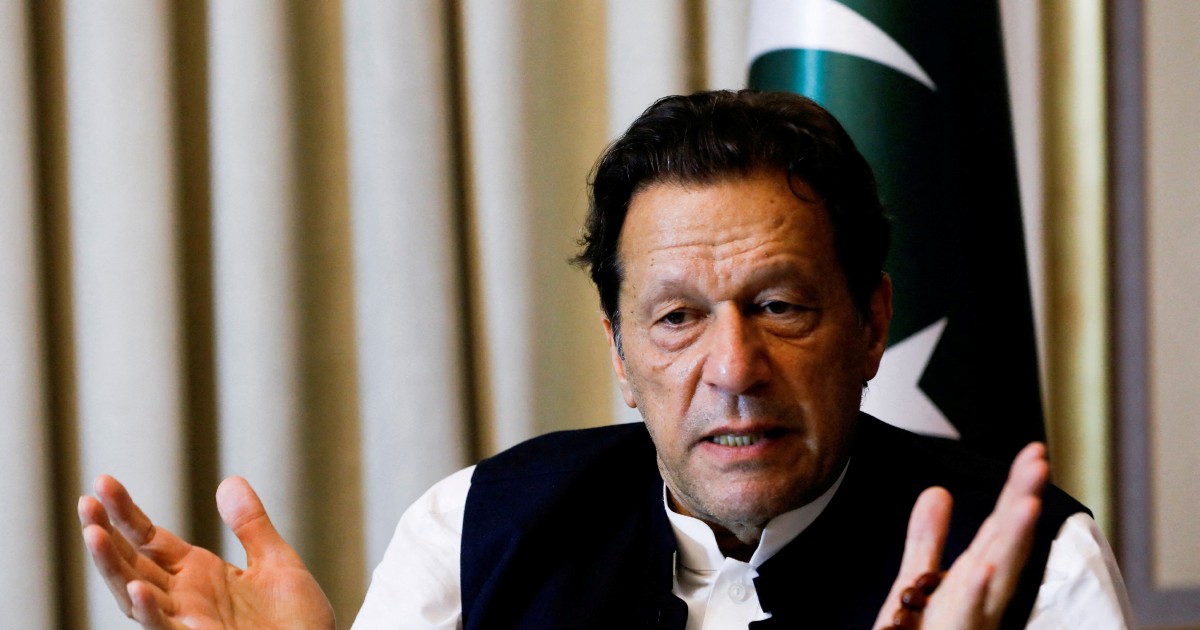
The high-profile legal troubles of Imran Khan took another turn as the former Pakistani Prime Minister completed a court-mandated medical assessment and was subsequently returned to jail. A senior government official confirmed the development on Friday, indicating that the health examination took place at a medical facility within Islamabad, Pakistan's capital city, and that the decision to remand him followed explicit judicial directives.
The sequence of events—whereby Khan underwent medical evaluation before being returned to custody—reflects the complex intersection of health concerns and legal proceedings that has characterised his detention. The fact that the examination was conducted at a recognised health facility in the nation's administrative centre suggests authorities sought to maintain procedural transparency while addressing any potential health vulnerabilities raised by his legal representatives or the court itself.
Imran Khan's detention represents one of the most significant political developments in Pakistan in recent years. The former cricket star-turned-politician, who served as Prime Minister from 2018 to 2022, has faced multiple legal challenges since losing office. His return to jail after medical evaluation underscores how his case continues to dominate political discourse in Pakistan and capture international attention, particularly from nations closely monitoring South Asian political stability.
The involvement of judicial oversight in ordering the medical examination suggests that questions about Khan's health or welfare may have been raised during legal proceedings. Pakistani courts have in previous high-profile cases ordered similar assessments to ensure detainees receive adequate medical care and to create an official record of an individual's health status while in custody. Such measures serve multiple purposes: they protect the state from allegations of mistreatment, they provide Khan's legal team with documented evidence of his condition, and they ensure compliance with Pakistan's constitutional obligations regarding the treatment of detained persons.
For Malaysian observers, Khan's situation illustrates broader patterns of political contestation in South Asia. Pakistan's recent history demonstrates how institutional tensions between civilian government, military influence, and judicial authority can become personalised through high-profile political figures. The regularity with which opposition leaders face legal challenges—whether substantive or politically motivated—raises questions about democratic consolidation and rule of law that resonate across the region.
The return to detention after medical assessment also reflects the precarious position Khan occupies within Pakistani politics. His Pakistan Tehreek-e-Insaf (PTI) party maintains significant grassroots support, particularly among urban middle-class and youth voters, yet his legal entanglements have complicated his political rehabilitation. The court-ordered medical examination, while ostensibly a routine procedural matter, becomes symbolically laden in a context where Khan and his supporters contend that his prosecution represents political persecution rather than legitimate judicial process.
From a regional perspective, Khan's detention carries implications for Pakistan's democratic institutions and international standing. Foreign observers, including governments and civil society organisations, have expressed varying degrees of concern about the legal proceedings against prominent Pakistani political figures. The commitment to procedural safeguards—such as court-ordered medical assessments—may be intended to signal that detentions remain subject to judicial scrutiny rather than executive whim, though critics argue this provides limited meaningful protection when the entire system operates under political pressure.
The situation also highlights the role courts play in validating executive actions within Pakistan's constitutional framework. By ordering the medical examination and determining that Khan's detention should continue, the judiciary provides legal legitimacy to his continued incarceration. This interplay between courts and executive detention powers remains contested terrain within Pakistani constitutional law, with advocates for judicial independence arguing that courts must rigorously scrutinise detention orders while others contend that judicial deference to security concerns remains appropriate.
For Malaysia and other Southeast Asian democracies, Pakistan's experience offers cautionary lessons about maintaining institutional independence and preventing the weaponisation of legal systems against political opponents. While each country's constitutional context differs significantly, the general principle that courts must remain genuinely independent arbiters rather than instruments of political control applies universally. The ease with which detention powers can be justified through judicial procedures—even when those procedures appear scrupulous—warrants vigilant monitoring of institutional dynamics.
Looking forward, Khan's case will continue shaping Pakistan's political trajectory and international reputation. His supporters have mobilised significant public attention to his detention, staging protests and leveraging international media platforms to highlight their claims of injustice. Whether the courts ultimately validate his detention through substantive legal proceedings or whether political pressures force negotiations remains uncertain. The medical examination procedure, while seemingly procedural, represents one of many checkpoints through which his case will pass before any resolution emerges.

