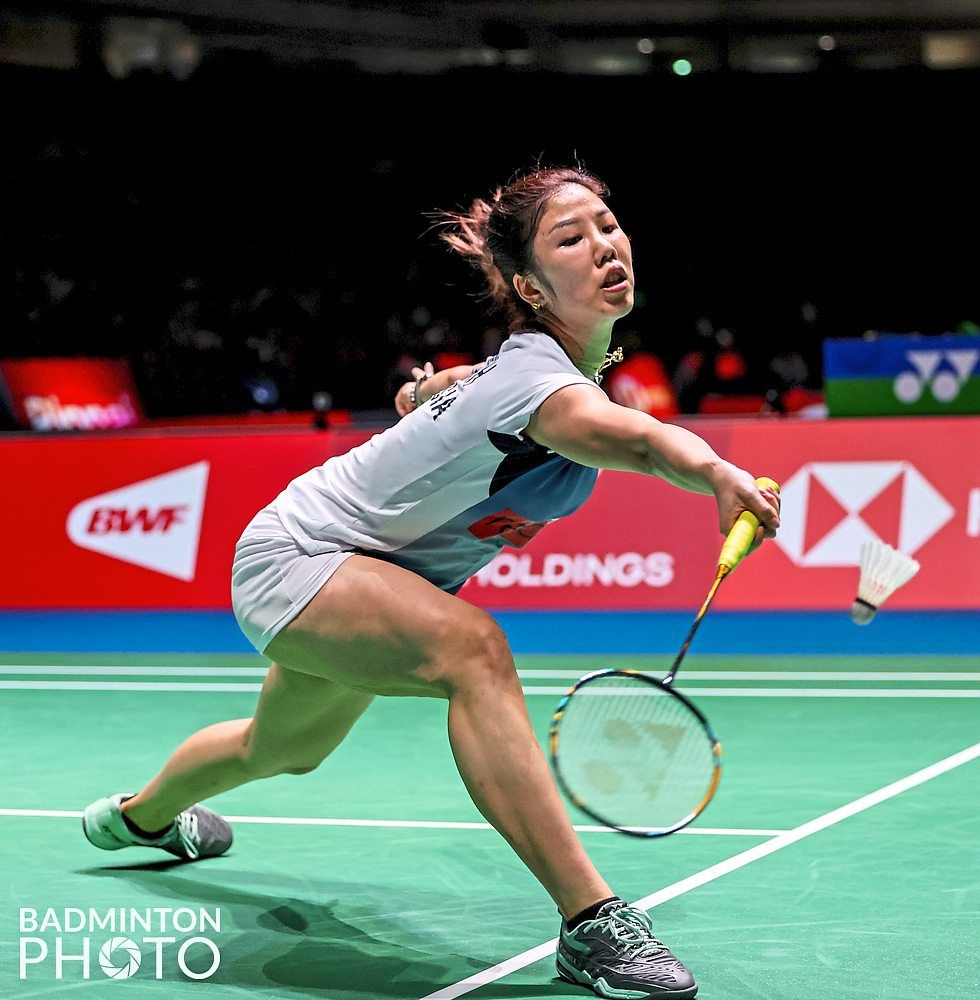
Soniia Cheah, a decorated national badminton player, has stepped away from her role as sports director at the Kuala Lumpur Badminton Association (KLBA) after a tenure lasting merely four months. The 33-year-old's departure takes effect immediately from Wednesday, marking an abrupt conclusion to what was intended as a one-year contract beginning in February.
While Soniia refrained from detailing the specific grievances that prompted her exit, she acknowledged that walking away was not a straightforward choice. Instead, she framed her resignation as a principled stand, one rooted in fundamental values she cannot compromise on within a sporting organisation.
During conversations with the media, Soniia articulated her position with measured clarity, explaining that her tenure exposed her to circumstances that contradicted her beliefs as a former national competitor. She stressed that the decision emerged from careful reflection rather than any hasty reaction, underscoring her commitment to the sport's integrity and the wellbeing of younger athletes.
Her statement notably avoided finger-pointing at any individual within the association, instead positioning her departure as a broader commentary on institutional practices requiring examination. By doing so, Soniia signalled that her concerns transcend personality clashes, pointing instead toward systemic or operational matters affecting the organisation's direction.
Soniia explicitly expressed hope that her resignation would catalyse meaningful review within the KLBA, particularly regarding governance and management decisions that shape the experience of developing players. She emphasised that any reassessment should prioritise the interests of young badminton talents coming through the association's ranks, ensuring they benefit from an environment aligned with sporting excellence and ethical conduct.
Despite her abbreviated time in the role, Soniia maintained warm regard for the players she mentored. Her final assignment overseeing the Kuala Lumpur squad occurred at the Affin 100Plus Junior Elite Tour Finals held at Stadium Juara in Bukit Kiara in the preceding week, allowing her to conclude her duties having directly supported these young competitors in competitive action.
Soniia's badminton credentials are substantial within Malaysian sporting circles. She climbed to the nation's apex as the country's top-ranked women's singles player, achieving the distinction of representing Malaysia at the Tokyo Olympics. Her career spanned significant competitive years before injury considerations reshaped her trajectory.
The shuttler's exit from professional play occurred in 2022 following an extended struggle with chronic Achilles tendon problems, an injury type that frequently impairs badminton athletes given the sport's explosive lateral movement demands. Her transition from court competition to administrative roles represented a natural progression for someone maintaining deep passion for badminton's development ecosystem.
The timing of her resignation raises questions about governance structures within Malaysian badminton's state-level organisation. The KLBA operates at the heart of badminton administration in the federal territory, responsible for nurturing talent pipelines and managing competitive frameworks. Any disruption in senior administrative personnel, particularly after such brief tenure, warrants scrutiny regarding internal dynamics and strategic alignment.
For Malaysian badminton enthusiasts, Soniia's departure highlights ongoing tensions that periodically surface within national sporting bodies regarding operational philosophy and management approach. These friction points, while sometimes veiled in diplomatic language, often reflect substantive disagreements about talent development pathways, coaching standards, or resource allocation decisions.
The broader implications extend to confidence in administrative stability at KLBA level. Rapid turnover in leadership positions can create uncertainty for coaching staff, players, and affiliated clubs operating within the association's jurisdiction. Soniia's experience suggests that even seasoned, decorated athletes may encounter workplace realities that challenge their expectations when transitioning to administrative responsibility.
Moving forward, KLBA leadership faces both a vacancy requiring resolution and an implicit invitation—as Soniia framed it—to examine institutional practices generating sufficient concern to prompt an experienced badminton figure's premature departure. How the association responds to this moment may influence perceptions of its commitment to environment quality and governance standards.

