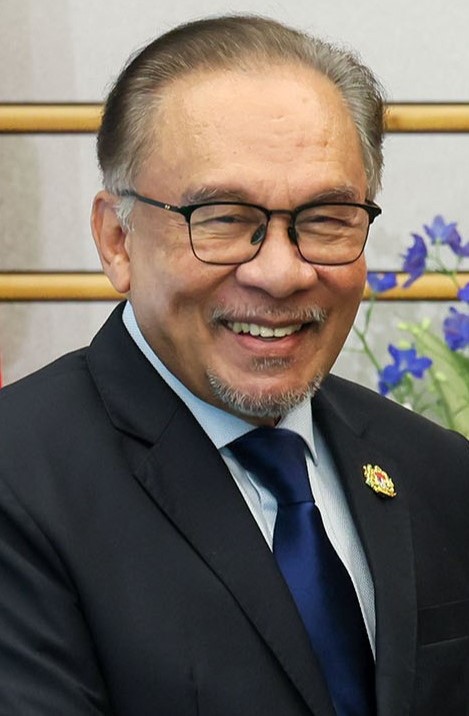
A former senior administrator in Melaka's civil service made his first court appearance following allegations that he misappropriated substantial state funds and deceived elected representatives. The accused appeared before Ayer Keroh Sessions Court to face seven distinct charges related to the alleged wrongdoing, with the total sum in question exceeding RM60,000.
The case has drawn scrutiny to governance practices within Melaka's state apparatus at a time when public institutions across Malaysia are increasingly under pressure to demonstrate financial accountability and transparency. The allegations suggest systematic irregularities in how public money was handled at the departmental level, raising questions about the adequacy of internal controls and oversight mechanisms within the state administration.
While specific details regarding the nature of the misappropriation remain subject to court proceedings, such cases typically involve public funds being diverted for unauthorised purposes or fictitious claims being submitted to secure reimbursement. The involvement of exco members in the allegations suggests the matter reached the executive decision-making level of state government, potentially implicating broader questions about supervisory responsibility.
Melaka, as one of Malaysia's more compact state administrations, has previously grappled with governance challenges that have occasionally resulted in high-profile cases involving civil servants. The state's position as a significant tourism and commercial hub means that public confidence in its administrative integrity carries economic and reputational implications extending beyond government circles.
The charges of cheating specifically indicate that the former official may have made false representations or concealed material facts to obtain financial advantages or induce exco members to make particular decisions. Such conduct strikes at the heart of fiduciary responsibility, whereby public servants are entrusted with safeguarding collective resources.
For other state administrations and federal agencies across Malaysia, cases like this serve as cautionary reminders of the importance of robust financial oversight procedures. The perpetual challenge facing public sector management involves balancing operational efficiency with the need for multiple approval layers and documentation requirements that can prevent unauthorised withdrawals or fraudulent claims.
The appearance in Ayer Keroh Sessions Court marks the formal commencement of judicial scrutiny into the allegations. The court process will determine whether the prosecution can establish the necessary elements of each charge beyond reasonable doubt, while the defence will have the opportunity to contest the allegations through proper legal channels.
From a broader governance perspective, public fraud cases underscore why many Malaysian state and federal agencies have progressively implemented digital financial management systems and enhanced audit protocols. These technological and procedural improvements aim to create comprehensive transaction trails that make misappropriation more difficult and detection more straightforward.
The Southeast Asian region has witnessed increasing international attention to governmental transparency and anti-corruption measures, particularly given Malaysia's membership in multilateral oversight bodies and its susceptibility to negative international perception regarding institutional integrity. Cases involving civil servants therefore carry implications extending beyond local jurisdictional concerns.
For the Melaka government specifically, the matter may prompt a comprehensive review of financial authorisation procedures within relevant departments. Such reviews often identify gaps that have allowed irregularities to occur and may lead to strengthened protocols, additional training for financial personnel, and perhaps expanded internal audit capabilities.
The road ahead involves several critical milestones in the judicial process. Evidence will need to be presented, witnesses examined, and legal arguments made regarding the admissibility and probative value of various materials. The outcome will ultimately rest with the court's assessment of whether the prosecution's case meets the requisite legal standard.
Pending the resolution of these charges, the case will likely generate sustained interest among governance observers and anti-corruption advocates throughout Malaysia. The specific circumstances surrounding how the funds were allegedly diverted and what safeguards failed will provide valuable lessons for improving financial stewardship across the civil service spectrum.