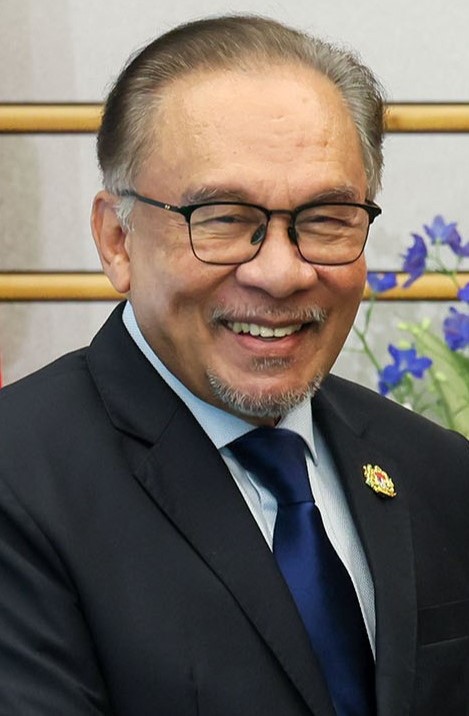
Datuk Dr Sahruddin Jamal, the former menteri besar of Johor, has formally announced his decision to seek re-election in the upcoming 16th Johor state election, representing the Bukit Kepong constituency. The July 11 poll will determine the composition of the state assembly and establish the direction of governance in Malaysia's southern state for the next term, making it a critical juncture for both the ruling coalition and opposition parties operating in the region.
The confirmation marks Sahruddin's continued presence in Johor politics despite his previous tenure as chief minister having concluded. His decision to contest Bukit Kepong signals his intention to remain an influential figure in the state's political landscape and maintain his constituent base in a seat he has represented. The timing of his announcement comes as political activity intensifies across Johor, with candidates and parties preparing campaign machinery and mobilising ground support ahead of the July election date.
Bukit Kepong, as a state assembly constituency, carries its own electoral significance within the broader Johor political ecosystem. The seat's voting patterns and demographic composition have historically reflected broader trends in the state's electoral behaviour, making contests there closely watched by political analysts tracking shifts in voter sentiment. Sahruddin's participation provides continuity in representation for the constituency while also testing whether his previous administrative record and political profile remain persuasive to voters in the current political climate.
The July 11 election represents a comprehensive renewal of the Johor state assembly, offering all candidates—both incumbents and newcomers—an opportunity to present their platforms and vision for the state. For former office-holders like Sahruddin, such elections provide a mechanism to seek validation from voters and renew their electoral mandate. His decision to defend rather than retire suggests confidence in his electoral prospects and ongoing relevance in state politics.
Johor's state elections carry implications extending beyond the state itself. As the country's largest state by population and economic output, electoral outcomes in Johor influence national political dynamics and signal broader patterns in voter behaviour. A strong performance by established figures like Sahruddin could reinforce existing power structures, while shifts in voting patterns might indicate emerging pressures on Malaysia's political establishment that merit analysis at the national level.
The announcement comes within a context of broader political mobilisation in the state, with various coalitions and parties identifying candidates for the 56 state assembly seats up for grabs. The competitive environment means that even established politicians must articulate clear policy positions and demonstrate commitment to constituency concerns to retain their seats. Sahruddin's confirmation allows him to begin systematic campaign activities and engage with voters on his record and future priorities.
For the Bukit Kepong electorate, Sahruddin's candidacy presents a clear choice regarding experienced leadership versus potential alternative candidates that competing parties may field. Voters can evaluate whether his previous tenure as chief minister—marked by specific policy initiatives and administrative decisions—warrants continued support, or whether they prefer to back a different candidate with a different background and vision for their constituency.
The period between now and July 11 will see intensive campaign activity across Johor constituencies, with candidates conducting walkabouts, organising community forums, and engaging media coverage. Sahruddin's profile as a former chief minister ensures he will likely receive considerable media attention, though this comes with heightened scrutiny of his previous record and ongoing relevance. How he frames his campaign narrative and addresses voter concerns in Bukit Kepong will substantially influence the outcome in his constituency.
The election itself represents a democratic process through which Johor voters directly determine their state representation, following established constitutional procedures. Candidates standing for election must comply with election commission rules and campaign conduct requirements while presenting their positions to voters. Sahruddin's formal confirmation ensures his participation in this process and allows both supporters and opponents to organise accordingly.
Regional observers and political analysts across Southeast Asia typically track Malaysian state elections as indicators of broader democratic health and electoral trends. The Johor election will provide insights into voter priorities, campaign effectiveness across different platforms, and the current state of political competition in Malaysia's most populous state. Sahruddin's participation in this process contributes to the competitive environment that characterises healthy electoral politics.
As the election date approaches, political parties will continue finalising their candidate lists and campaign strategies. For Sahruddin, defending Bukit Kepong means engaging constructively with his constituency while distinguishing his platform from competing candidates. His experience in senior office provides both advantages in name recognition and administrative credentials, and potential vulnerabilities if voters seek to signal preference for new directions in governance.
The confirmation of his candidacy represents a normal step in the electoral cycle, allowing formal campaigning to commence once nominations are officially accepted by the election commission. Johor voters in Bukit Kepong and across the state will ultimately decide which candidates and parties best represent their interests and aspirations for the coming term.