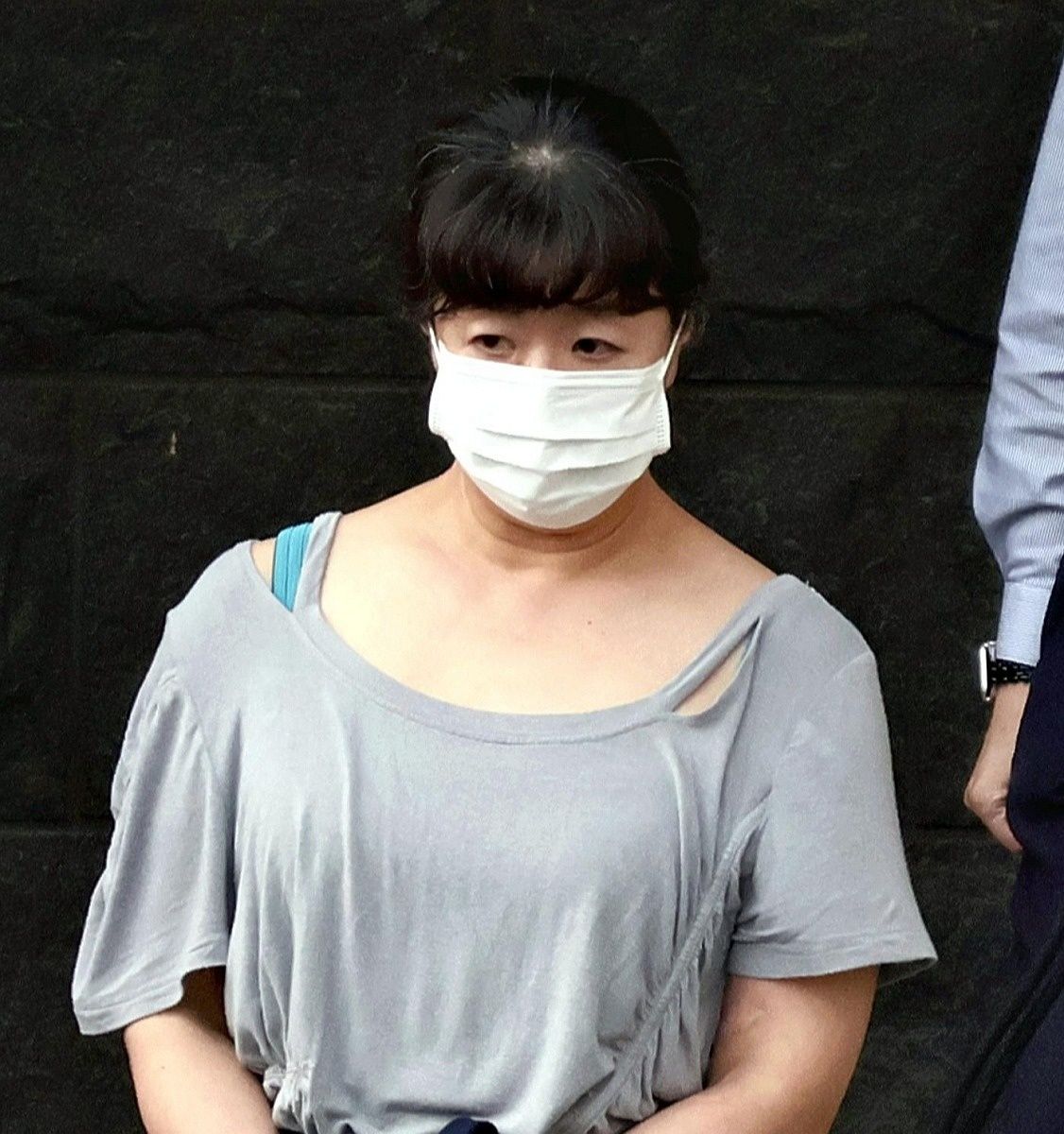
A 51-year-old former nurse in Japan's Chiba Prefecture has been arrested on suspicion of deliberately poisoning a patient's intravenous drip line with faecal matter, resulting in the patient's death from sepsis and multiple organ failure. The arrest of Miyuki Furukawa, a resident of Kashiwa, follows an investigation that revealed a pattern of suspicious behaviour, including smartphone searches inquiring whether such an act could be fatal, and marks one of the most disturbing cases of alleged medical misconduct in recent Japanese history.
The victim, Eiji Aida, a 75-year-old patient at Kashiwa Tanaka Hospital, experienced a sudden and catastrophic deterioration in his condition on January 30. Security footage from the hospital shows Furukawa, who was serving as head nurse during the night shift, entering and leaving Aida's room at approximately 3.55am that morning. Within hours of this encounter, Aida's health worsened dramatically. He was pronounced dead by late evening on January 31, with medical examinations confirming that his death resulted from multiple organ failure induced by severe sepsis—a life-threatening inflammatory response to infection.
The discovery that led to the investigation emerged almost by accident. A fellow hospital staff member noticed that the extension tubing attached to Aida's intravenous line had taken on a distinctly brownish discoloration. When this employee reported her observations to Kashiwa Police on February 1, she explicitly suggested that a foreign substance might have been deliberately introduced into the medical equipment. Laboratory analysis of blood samples taken from Aida posthumously revealed the presence of bacteria commonly found in human faeces, providing scientific confirmation that the extension tube had indeed been contaminated with faecal matter.
Forensic investigators uncovered a troubling digital trail that strengthens the case against Furukawa. Mobile phone records showed that she had conducted searches on her smartphone using the specific phrase "faeces injection — Will [he] die?" The timing and nature of these searches suggest premeditation and a calculated interest in whether such a method could actually prove fatal. This evidence proved critical in establishing not merely negligence or a momentary lapse in judgment, but rather a deliberate and intentional act designed to cause serious harm.
When confronted with the allegations, Furukawa has maintained her innocence, flatly denying that she inserted any substance into the patient's medical apparatus. Her legal team appears prepared to challenge the prosecution's case, creating what promises to be a significant and closely watched trial. However, the combination of security footage placing her in the patient's room, the contaminated IV line, the presence of faecal bacteria in the victim's bloodstream, and her own internet searches paint a remarkably comprehensive circumstantial picture for investigators.
Investigations have also uncovered that Furukawa had engaged in a disagreement or argument with Aida prior to the incident, potentially providing motive for her alleged actions. The nature and severity of this dispute remain under investigation, though police are actively working to establish whether personal conflict, frustration with the patient, or some other factor drove her alleged decision to contaminate his medical treatment. The Chiba prefectural police have indicated that understanding her motivations represents a key component of their ongoing investigation.
Furukawa was employed as head nurse at Kashiwa Tanaka Hospital at the time of the alleged incident but subsequently resigned from that position at the end of February—approximately one month after Aida's death and coinciding with police inquiries into the incident. Notably, she has since secured employment as a midwife at another hospital facility in Tokyo, raising serious questions about hospital hiring practices, information sharing, and background screening procedures across Japan's healthcare system.
The hospital operator, Aoikai, has released a statement expressing profound shock and condemning the alleged conduct. "This is an absolutely unforgivable act for someone working at a medical institution and as a human being," the organisation declared, acknowledging the gravity of the situation and the breach of trust it represents. The hospital has committed itself to full cooperation with police investigators and pledged to help uncover all facts relating to the case. Such statements reflect the intense reputational damage and public confidence crisis that healthcare institutions face when staff members allegedly abuse their positions of trust.
This case carries significant implications for hospital safety protocols across Japan and the broader East Asian region. It underscores vulnerabilities in monitoring systems for night shift operations, the need for enhanced scrutiny of patient care procedures, and the importance of rapid investigation when unusual clinical deterioration occurs. For Malaysia and Southeast Asia, where similar healthcare challenges exist, the case serves as a cautionary example of how institutional safeguards and staff screening procedures must evolve to protect vulnerable hospitalised patients from predatory conduct by trusted medical professionals.
The incident has reignited public debate about healthcare worker accountability in Japan, where the medical profession enjoys substantial public trust and confidence. Patient advocacy groups have called for more rigorous background investigations and psychological evaluations for nursing staff, particularly those assigned to overnight shifts when supervision tends to be lighter. The healthcare sector's reputation depends not only on competence and medical knowledge but equally on the integrity and character of individual practitioners who have direct access to vulnerable patients.

