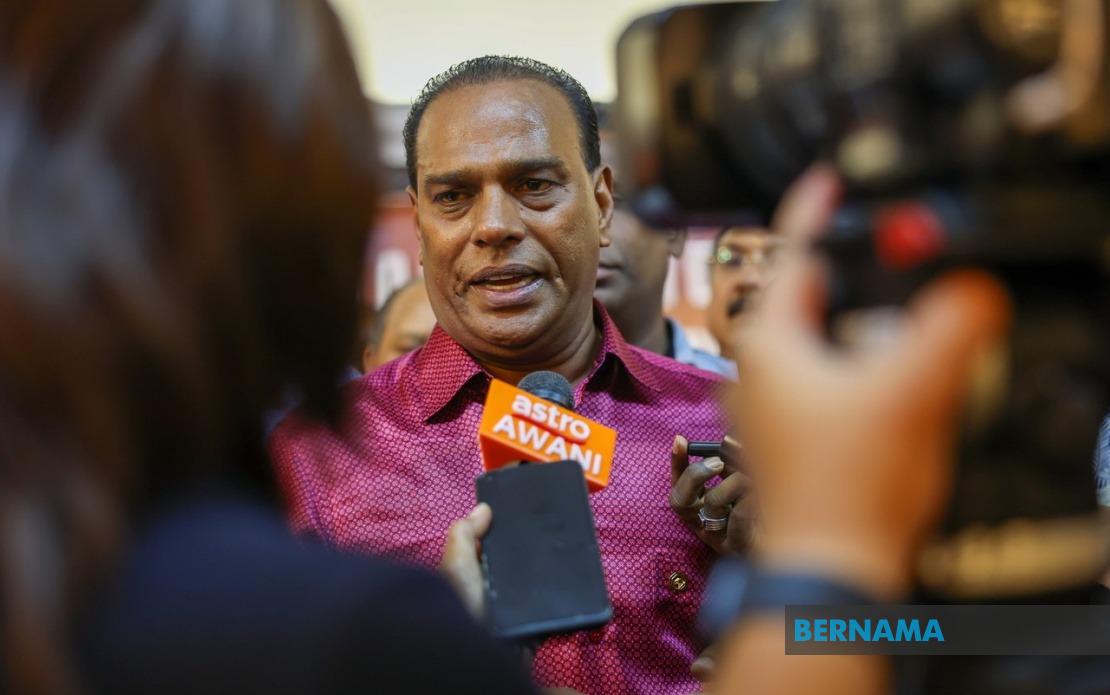
Former Human Resources Minister Datuk Seri M. Saravanan confirmed on Wednesday that he will be arraigned at the Sessions Court in Kuala Lumpur on Thursday to face charges stemming from allegations connected to foreign worker hiring practices during the COVID-19 pandemic in 2022. The Tapah Member of Parliament and current MIC deputy president made the announcement through a video statement released to media, preparing the public for what represents a significant development in an ongoing investigation by the Malaysian Anti-Corruption Commission.
The charges against Saravanan are rooted in a third-party statement that drew his name into the controversy surrounding irregular foreign worker recruitment during the pandemic period. According to his account, an individual made an initial statement linking him to the issue, but that person subsequently filed a Statutory Declaration to formally withdraw the allegations before passing away two months prior to the current legal proceedings. This sequence of events has created an unusual procedural situation where the primary witness who made the original allegations is no longer alive to testify or provide clarification.
Saravanan emphasised in his public statement that he has maintained no contact with the individual in question, whether through telephone conversations or text messaging exchanges. He stressed this point to distance himself from suggestions of collusion or improper coordination, underscoring the passive nature of his involvement in the matter. Despite the passing of the main witness and the withdrawal of allegations through statutory declaration, the anti-corruption authorities have proceeded with formal charges, indicating that investigators believe sufficient evidence exists independent of the deceased witness's testimony.
The charges are expected to be filed under Section 16 of the Malaysian Anti-Corruption Commission Act 2009, which addresses the solicitation, receipt, giving, promising, or offering of bribes. This provision represents one of the most serious corruption-related offences in Malaysia's legal framework and carries substantial penalties upon conviction. The specific invocation of this section suggests that prosecutors have constructed a case alleging improper financial incentives or considerations related to the foreign worker hiring process.
The foreign worker recruitment issue during the COVID-19 pandemic represents a broader policy controversy that extends beyond Saravanan's individual case. Malaysia, like many Southeast Asian nations, faced significant challenges in managing its migrant workforce during lockdowns and border restrictions in 2020 and 2022. Questions arose about the transparency and propriety of hiring decisions, particularly when overseas recruitment continued despite domestic unemployment concerns. This background context lends weight to public interest in how authorities are addressing allegations of misconduct in this sector.
Saravanan's legal team has already signalled its intention to move for expedited trial proceedings at tomorrow's court appearance. This strategic decision reflects a common defence tactic aimed at rapidly adjudicating the case rather than allowing prolonged litigation that might amplify reputational damage. By seeking expedition, the former minister's counsel appears confident in their ability to mount an effective defence and wishes to resolve the matter swiftly. The court's response to this application will significantly influence the timeline for resolution.
The timing and circumstances of this case hold particular relevance for Malaysia's ongoing anti-corruption efforts and public confidence in the independence of investigative agencies. The Malaysian Anti-Corruption Commission issued a media invitation announcing the charging of a former minister, indicating institutional commitment to pursuing high-profile cases regardless of political status. This sends a message about institutional accountability, though critics have sometimes questioned whether such enforcement is applied uniformly across political divides and government tiers.
Saravanan's prominence as both a former cabinet minister and current deputy president of the Malaysian Indian Congress adds political dimensions to the legal proceedings. The MIC has a long history in Malaysian politics and coalition governance, making developments affecting its leadership figures matters of broader political interest. The party's response and Saravanan's continued role within MIC leadership during trial proceedings may influence internal party dynamics and coalition relationships within the broader ruling alliance.
The withdrawal of allegations by statutory declaration prior to the witness's death introduces complexities into the legal narrative that courts will need to address. While such withdrawals might typically suggest weakening of a prosecution case, the investigators' decision to proceed indicates they believe other evidence or legal grounds sustain the charges. The court will need to carefully weigh the significance of the withdrawn statement against whatever additional evidence prosecutors have compiled during their investigation into the foreign worker hiring practices.
Looking forward, this case will test Malaysia's commitment to investigating and prosecuting corruption allegations involving government officials, particularly those holding ministerial rank. The outcome will influence public perception of anti-corruption enforcement consistency and the effectiveness of institutions charged with maintaining governmental integrity. For Southeast Asian observers, the case also reflects ongoing regional concerns about governance standards during pandemic-related disruptions when normal oversight mechanisms were often compromised.
The broader context of foreign worker management during national emergencies remains contested across Southeast Asia, with various governments facing criticism over hiring transparency and worker welfare. Malaysia's handling of this particular case may establish precedents for how similar allegations are pursued in future crisis situations. The proceedings beginning Thursday will therefore carry implications extending beyond Saravanan's personal circumstances into questions about systemic accountability in government procurement and recruitment decisions during emergency periods.
As proceedings commence, observers from civil society organisations, political circles, and international governance watchdogs will likely monitor developments closely. The case exemplifies how pandemic-era government decisions continue generating legal and political consequences months or years after the emergencies themselves have passed. Whether the court finds sufficient evidence to support conviction or acquits Saravanan, the trial's outcome will contribute to the evolving body of jurisprudence on corruption allegations involving former high-ranking officials in Malaysia.

