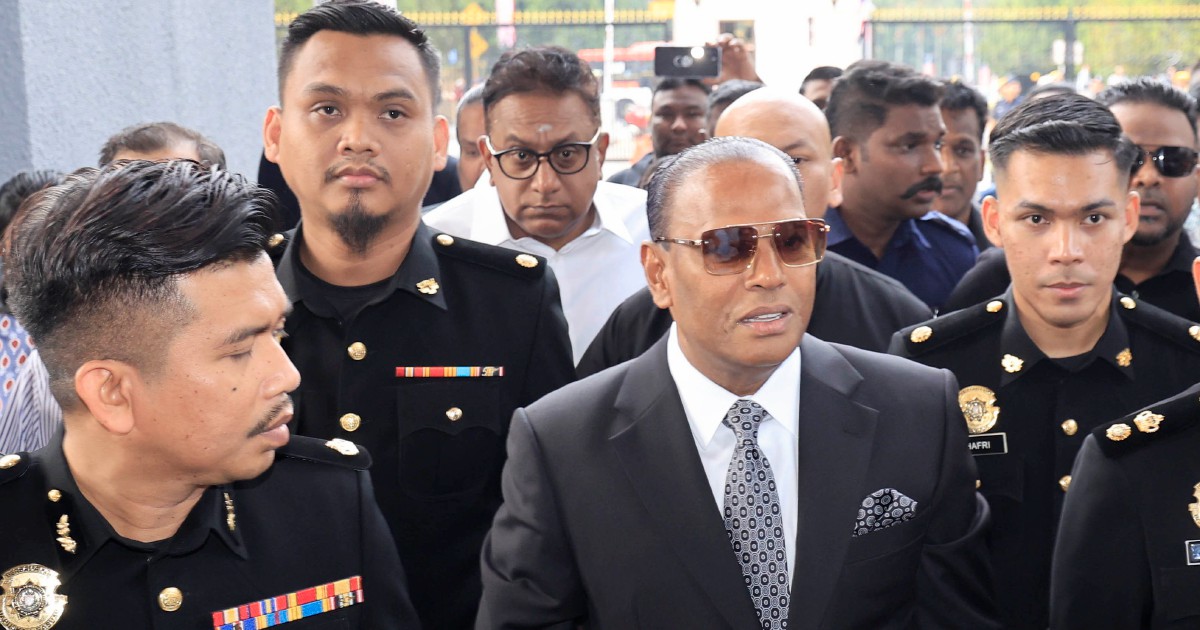
Datuk Seri M. Saravanan, the former Human Resources Minister, has rejected suggestions of wrongdoing after making a brief court appearance to address three corruption charges levelled against him. Speaking to reporters shortly after the legal proceedings, Saravanan projected confidence and maintained his position that his record stands without blemish.
The charges against Saravanan mark a significant development in Malaysia's ongoing efforts to address corruption within high-ranking government circles. His willingness to face the courts promptly demonstrates a commitment to clearing his name through the legal process, though the severity of multiple accusations against a former cabinet minister underscores the serious nature of the allegations.
Political observers in Malaysia have noted that corruption charges against senior government figures continue to attract intense public scrutiny, particularly given the country's stated anti-corruption agenda. The case of Saravanan adds to a growing list of prominent politicians who have faced legal accountability in recent years, reflecting evolving standards around governance and institutional responsibility.
Saravanan's assertion of innocence carries weight given his previous ministerial position overseeing human resources matters. The Human Resources portfolio handles crucial policy areas affecting the country's workforce, pension systems, and labour regulations, making the integrity of its oversight particularly important to public confidence.
The timing of the charges and subsequent court appearance comes amid broader discussions about institutional accountability within Malaysia's civil service and political structures. Saravanan's statement that he has nothing to be ashamed of suggests he plans to defend himself vigorously through the legal system rather than accept guilt or negotiate a settlement.
For Malaysian readers and regional observers, this case represents another chapter in the country's ongoing battle against high-level corruption. The legal proceedings will likely unfold over several months, with each hearing providing opportunities to understand the specific allegations and evidence presented by authorities.
Saravanan's demeanour during the court appearance and his immediate public statement suggest a strategy of maintaining public confidence while pursuing legal remedies. Whether he receives support from his political colleagues or faces isolation during this period remains to be seen, as different factions within Malaysian politics may view the charges through different lenses.
The three corruption charges represent serious allegations that require substantiation through the court process. Malaysian law provides robust mechanisms for examining evidence and testing the prosecution's case, ensuring that both the accused and the public have opportunity to understand the factual basis of the charges.
For the broader Malaysian political landscape, cases such as Saravanan's reinforce the message that even high-ranking former ministers remain subject to criminal accountability. This principle, when applied consistently, strengthens institutional credibility and public trust in governance systems, though observers have noted that enforcement patterns sometimes reflect political influences.
The implications for Malaysia's Human Resources Ministry and broader cabinet structures depend partly on how the case develops. A conviction would carry significant political consequences and potentially reshape perceptions of governance quality during the period when Saravanan held office. Conversely, an acquittal would validate his assertion of innocence and potentially shift focus toward examining the charges themselves.
Regional observers monitoring Malaysia's governance standards will closely follow the evidence presented and judicial reasoning in this case. Southeast Asian countries increasingly scrutinise each other's anti-corruption efforts, and high-profile cases involving former cabinet ministers command attention across the region.
Saravanan's immediate response to the charges demonstrates an understanding that public perception matters alongside legal outcomes. By stating his lack of shame and implying his willingness to defend his record in court, he attempts to shape the narrative surrounding his case before detailed evidence emerges.
The court process will now determine whether Saravanan's confidence in his innocence aligns with the factual evidence and legal standards applied by Malaysian judges. Until that process concludes, the former minister's fate remains uncertain, though his assertive stance suggests he intends to contest the charges rather than seek compromise solutions.

