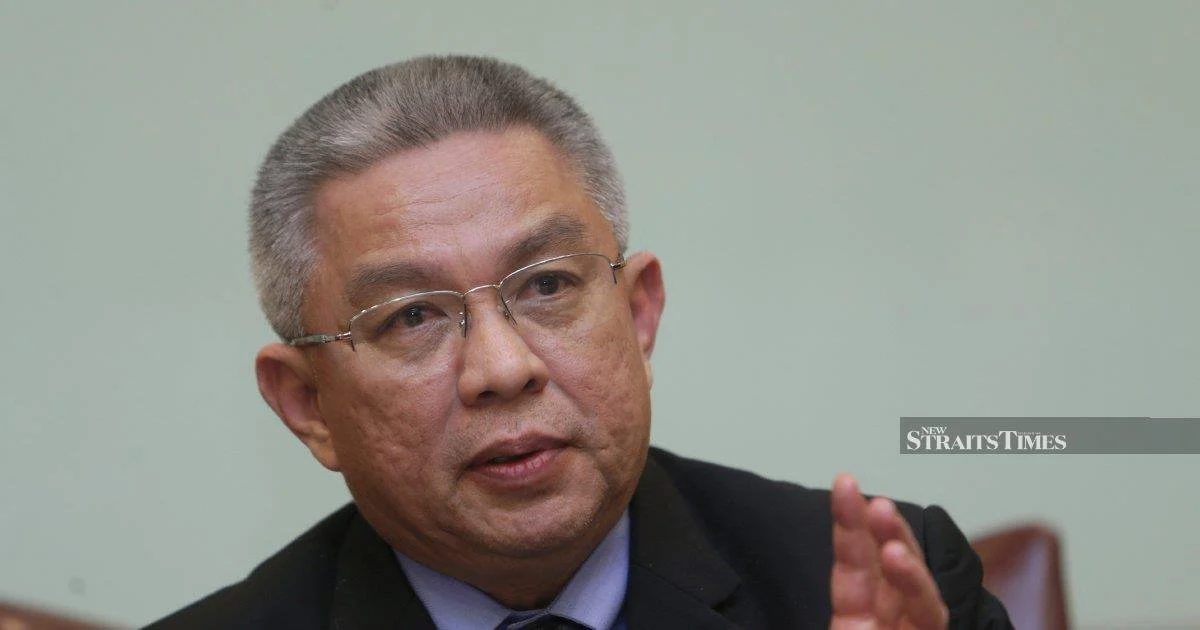
Barisan Nasional has formally announced its full slate of 56 candidates contesting the upcoming Johor state election, a roster that reflects the coalition's strategy to blend seasoned political figures with new entrants seeking to recapture ground in a state that has proven volatile in recent electoral cycles. Among the nominated candidates are Datuk Seri Dr Adham Baba, who previously held the health portfolio at federal level, and Alwiyah Talib, whose tenure as assemblyman for Endau underscores the coalition's reliance on representatives with established local networks.
The inclusion of Dr Adham Baba represents a calculated effort by Barisan Nasional to deploy heavyweights with national credentials in a state-level contest. As a former health minister, Dr Adham Baba brings ministerial experience and public recognition that the coalition hopes will resonate with voters concerned about healthcare, a persistent issue in Johor's outlying constituencies. His nomination also signals the party's confidence in fielding figures with executive experience, even as the political landscape has shifted considerably since his tenure at federal level.
Alwiyah Talib's presence on the candidate list underscores Barisan Nasional's commitment to fielding individuals with demonstrated track records in state assembly work. Having served as Endau's representative, she possesses institutional knowledge of the legislative process and familiarity with constituent concerns that typically influence voting behaviour in state elections. The decision to include her suggests the coalition views continuity and proven representation as assets in winning back support among rural and semi-rural voters.
Johor's political significance cannot be overstated within Malaysia's broader electoral landscape. The state has emerged as a crucial battleground, particularly following the 2022 general election and subsequent state contests. Barisan Nasional's performance here directly impacts its nationwide narratives and coalition strength, making the composition of its candidate list a matter of considerable strategic importance. The 56-candidate lineup represents the coalition's assessment of where it can mount credible challenges across the state's various constituencies.
The timing of this announcement reflects standard pre-election procedures, yet it also arrives amid ongoing discussions about electoral dynamics in Johor. The coalition faces competing pressures: maintaining support among traditional Barisan Nasional voters whilst fending off challenges from opposition coalitions and addressing voter fatigue after multiple elections in recent years. The candidate slate reflects these tensions, combining recognisable names with lesser-known figures expected to appeal to specific constituencies.
Johor's electoral composition—spanning urban centres, suburban areas, and rural districts—requires candidates capable of addressing diverse concerns. Urban voters may prioritise economic development and transportation infrastructure, whilst rural constituents often emphasise agricultural support and connectivity. The 56-candidate roster ostensibly reflects efforts to match candidate strengths with constituency demographics and local issues, though such calculations remain imperfect predictors of electoral outcomes.
Barisan Nasional's relationship with Johor carries historical weight. The state has traditionally formed a core component of the coalition's power base, though recent electoral volatility has tested this foundation. The presence of experienced figures like Dr Adham Baba alongside first-time state candidates suggests a two-pronged approach: deploying proven performers in closely-contested seats whilst introducing fresh faces in constituencies where new candidates might appeal to voters fatigued by established politicians.
The announcement of candidates typically initiates intensive campaign activity across constituencies, with candidates building ground organisations and addressing local concerns. In Johor, this period proves critical for candidates to establish themselves, particularly for those lacking prior state-level experience. The mixture of backgrounds across the 56-candidate slate creates varying levels of campaign readiness and local entrenchment across different constituencies.
For Malaysian political observers and Southeast Asian analysts watching Malaysian developments, Johor's state election represents more than a state-level contest. The outcome carries implications for coalition politics in Malaysia, the durability of Barisan Nasional's traditional support structures, and broader questions about voter behaviour amidst Malaysia's fragmented political landscape. The calibre and profile of candidates fielded—including experienced figures and newcomers—provides one lens through which to assess coalition preparedness and strategic thinking.
The state election will test whether Barisan Nasional's candidate strategy successfully addresses voter concerns and recaptures support in constituencies where it faces significant opposition challenges. Dr Adham Baba's ministerial experience and Alwiyah Talib's assembly background represent the diversity of backgrounds present in the 56-candidate slate, each bringing distinct strengths to their respective campaigns. How effectively these candidates mobilise support and address constituency concerns will substantially shape Johor's political trajectory and influence perceptions of Barisan Nasional's broader viability as Malaysia's leading political coalition.