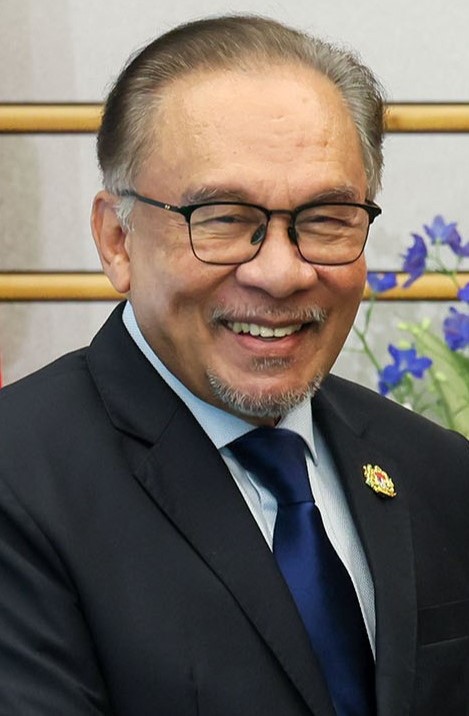
Onn Hafiz Ghazi, who chairs the Barisan Nasional machinery in Johor, is preparing to defend his Machap state seat in the forthcoming election. The move signals the coalition's intention to maintain its stronghold in this southern bastion, with the seasoned politician taking centre stage in what is shaping up to be a pivotal contest for the region's political landscape.
The former federal health minister's candidacy reflects his enduring influence within Umno's Johor structure despite the party's turbulent trajectory over recent years. His decision to contest the seat underscores the coalition's confidence in retaining control of one of Malaysia's largest states, where Barisan has held considerable sway since independence. The Machap constituency, located in Johor Bahru district, represents a crucial battleground that carries symbolic weight for both the ruling coalition and opposition forces seeking to expand their footprint in the peninsula's south.
Onn Hafiz's political journey has encompassed significant federal responsibilities, particularly his tenure in the health portfolio, a position that granted him visibility across the nation during critical policy implementation phases. His return to frontline electoral contests as Johor BN chairman suggests the coalition is banking on his administrative credentials and accumulated political capital to mobilise support across diverse community segments within the state. The appointment itself was strategic, positioning him to orchestrate the broader coalition campaign machinery across Johor's numerous constituencies.
The upcoming election arrives at a delicate juncture for Malaysian politics, with coalition dynamics shifting and voter sentiment remaining fluid across multiple states. Johor, as one of the country's most populated states and a traditional Umno fortress, holds outsized importance in determining the overall trajectory of national politics. Any significant erosion of Barisan's position here would reverberate through party structures and policy-making circles across the federation, potentially influencing federal-level dynamics considerably.
In recent electoral cycles, Johor has experienced competitive races despite Barisan's historical dominance, particularly in urban and semi-urban constituencies where younger voters increasingly demonstrate less predictable voting patterns. The coalition has consequently intensified efforts to shore up its support base, deploying senior figures like Onn Hafiz to anchor campaigns and rebuild connections with communities. His selection as the frontline candidate for Machap suggests party strategists view the seat as sufficiently secure for a high-profile incumbent, or conversely, as requiring experienced leadership to reverse any recent ground lost to opposition challengers.
Umno's internal restructuring and renewed focus on electoral competitiveness has meant rehabilitation and repositioning of senior members, particularly those with ministerial experience and administrative track records. Onn Hafiz's reentry into active electoral politics as a state-level candidate represents part of this broader consolidation, bringing bureaucratic experience and federal-level exposure back to state-level contests. This vertical integration of political talent has become increasingly important as parties recognise that local elections frequently hinge on perceived competence and service delivery records rather than purely ideological positioning.
The Machap contest will likely serve as a barometer for coalition performance across Johor more broadly, given Onn Hafiz's prominent role within state party structures. His personal vote-getting capacity, combined with his chairmanship responsibilities coordinating across the state's various component parties within Barisan, positions him at the nexus of coalition strategy. Voters in the constituency will effectively be evaluating not merely his individual candidacy but the broader coalition machinery's effectiveness and responsiveness to local concerns regarding economic opportunities, infrastructure development, and community welfare.
Opposition parties will undoubtedly target Onn Hafiz given his high profile and federal experience, viewing the contest as an opportunity to symbolically challenge Barisan's narrative of stable, experienced governance. The opposition's ability to mobilise resources against an established incumbent like him will provide early indicators of campaign momentum and resource allocation priorities heading into a potentially multi-state electoral season. Machap could therefore transcend its geographical boundaries to become a proxy contest reflecting wider political currents coursing through Malaysian society.
For Malaysian readers across the peninsula, Johor's election results carry direct implications for federal policy direction and power distribution within Umno, Malaysia's dominant political party. Changes in Johor's political composition would likely reverberate through cabinet composition, development fund allocation, and intergovernmental relations between state and federal authorities. The state's economic significance—encompassing major industrial zones, port facilities, and urban centres—means that shifts in political control would materially affect business conditions, regulatory environments, and strategic investment decisions by both domestic and foreign entities operating within the state.