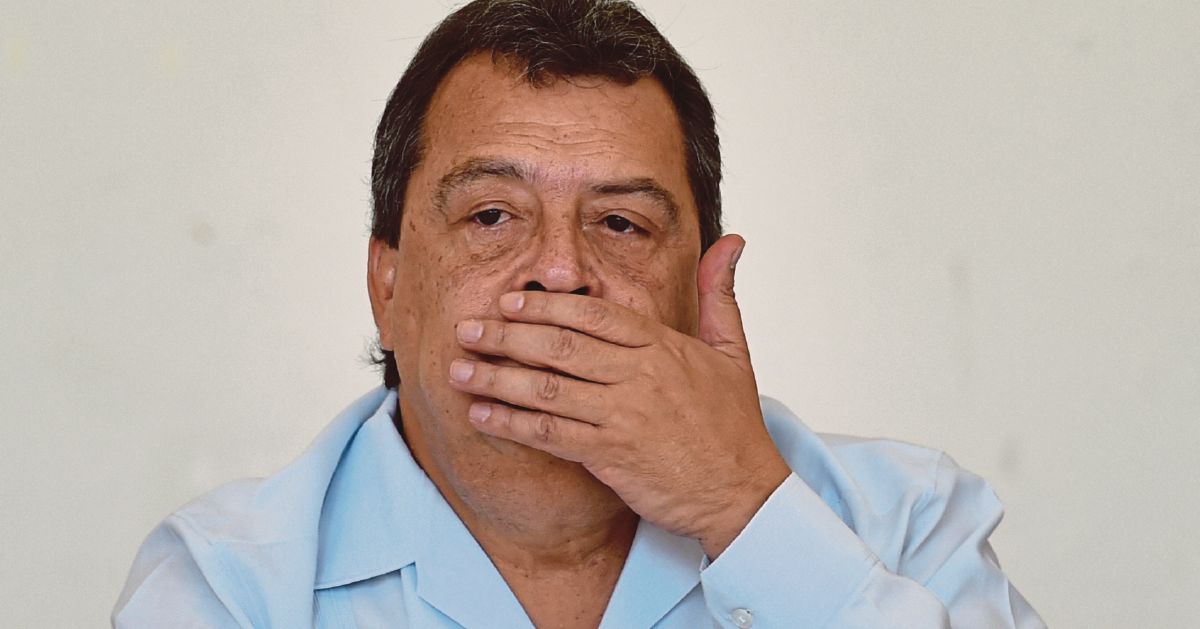
Mexican authorities have arrested the former governor of Guerrero state on charges related to the destruction of evidence in connection with the 2014 disappearance of 43 students, a case that has gripped national attention and drawn international scrutiny for a decade. The arrest represents a critical turning point in an investigation that has long frustrated families of the missing and observers demanding accountability for one of Mexico's most emblematic tragedies.
The case of the 43 missing students from Ayotzinapa Rural Teachers' College has cast a shadow over Mexican governance since September 2014, when the young men vanished under circumstances that have remained murky despite numerous investigations. The incident exposed deep concerns about state capacity, organised crime infiltration of local institutions, and the vulnerability of Mexico's most disadvantaged populations. The timing of the former governor's arrest underscores ongoing efforts by federal authorities to unravel the intricate web of responsibility that has long obscured the truth.
Allegations that evidence was systematically destroyed suggest a deliberate attempt to obstruct justice and prevent investigators from uncovering critical details about what transpired. Such obstruction charges carry particular weight in cases involving forced disappearances, where evidence preservation is paramount to establishing a credible historical record and holding perpetrators accountable. The destruction of potential evidence compounds the tragedy for families who have spent years seeking answers about their sons' fates.
This arrest signals a shift in Mexico's approach to historical impunity. For years, many observers questioned whether upper-level political officials would ever face consequences for their alleged roles in the incident or its aftermath. The willingness of federal authorities to pursue charges against a former state executive demonstrates either enhanced investigative capacity or renewed political will—or both—to address crimes that implicate powerful figures.
The investigation into the 43 missing students has been extraordinarily complex, involving multiple government agencies, overlapping jurisdictions, and competing narratives. Various reports have attributed responsibility to different actors: municipal police, state forces, organised crime groups, and federal agencies. Truth commissions and independent investigators have struggled to produce a comprehensive account that enjoys broad credibility. The arrest of the former governor adds another layer to this contested historical terrain.
For families of the disappeared, the news offers both hope and continued frustration. While accountability measures are symbolically significant, they cannot restore their missing loved ones. The gap between arrest and meaningful justice remains substantial, particularly given Mexico's patchy record of prosecuting high-level officials in sensitive cases involving state security forces or intelligence services.
This development carries implications beyond Mexico's borders. The 43 missing students case has become a symbol of forced disappearance and impunity in Latin America more broadly. How Mexican authorities resolve this case—and whether they ultimately hold accountable all parties responsible—will influence international perceptions of Mexican commitment to human rights and rule of law. Regional peers facing similar challenges of documenting and prosecuting forced disappearances will watch closely.
For Malaysia and Southeast Asia, the case offers uncomfortable parallels. The region has experienced its own enforced disappearances and remains vulnerable to cover-ups when powerful officials are implicated. The Mexican case demonstrates both the prolonged nature of investigations into such crimes and the possibility that even long-delayed accountability measures remain possible. It underscores the importance of immediate, transparent documentation and international oversight of sensitive incidents involving state forces.
The arrested official faces allegations of ordering destruction of records and evidence that could have illuminated the circumstances surrounding the students' disappearance. Prosecutors will need to establish not merely that evidence was destroyed, but that the former governor bore direct responsibility for ordering such destruction. This evidentiary challenge is itself complicated by the passage of a decade and the likelihood that relevant witnesses may themselves be frightened, unavailable, or deceased.
Mexico's federal authorities have previously acknowledged that multiple institutions failed the 43 students and their families. Earlier investigations have implicated municipal authorities, state police, and potentially federal entities. The decision to pursue charges against a former state governor suggests that federal investigators now have concrete evidence linking him personally to obstruction of justice, though the broader question of what precisely happened to the students on the night of their disappearance may remain partially unresolved.
The arrest also reflects international pressure on Mexico to address historical impunity. Numerous human rights organisations, foreign governments, and UN bodies have called for genuine accountability in the case. While Mexico's federal government has invested significant resources in re-investigating the disappearance through truth commissions and special prosecutors, critics have argued that these efforts have been insufficient and have sometimes served to obscure rather than clarify responsibility.
Going forward, the case will depend heavily on prosecutorial capacity and judicial independence. Mexico's judiciary has improved in recent years, particularly at the federal level, but remains vulnerable to political manipulation and corruption. Whether charges against the former governor will result in conviction, and whether convicted, he will actually serve time, remains uncertain. Yet the mere fact of arrest and prosecution represents movement in a case that long seemed frozen by impunity and obstruction.

